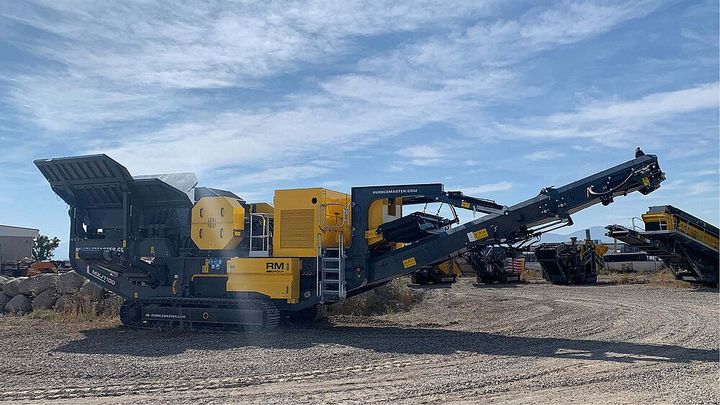
Mobile Jaw Crusher Complete Guide to Modern Crushing Technology
Crushing equipment plays a vital role in construction, mining, quarrying, recycling, and infrastructure development. Among the various types of crushing machinery, the Mobile Jaw Crusher has become an important solution for projects that require flexibility, efficient material processing, and on-site mobility.
By combining powerful crushing performance with portable design, mobile jaw crushers help process rock, concrete, asphalt, and other materials directly at the work site.
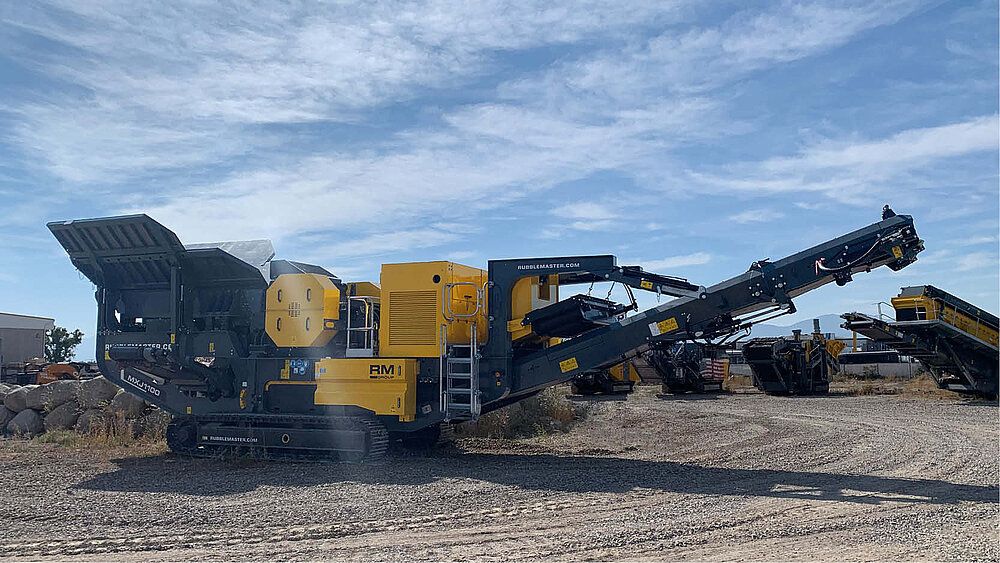
Modern mobile jaw crushers incorporate advanced engineering, automated controls, fuel-efficient power systems, and digital monitoring technologies. These innovations improve productivity, reduce material transportation requirements, and support consistent crushing performance across a variety of applications.
This guide explains the Mobile Jaw Crusher, how it works, its main components, applications, maintenance practices, safety considerations, and the latest developments in modern crushing technology.
What Is a Mobile Jaw Crusher?
A Mobile Jaw Crusher is a portable crushing machine that uses compressive force to break large rocks, concrete, and other hard materials into smaller, more manageable sizes. Unlike stationary crushing equipment, it is mounted on tracks or wheels, allowing it to move between work locations with relative ease.
Mobile jaw crushers are commonly used to process:
Natural stone
Granite
Basalt
Limestone
Concrete debris
Asphalt
Demolition waste
Construction materials
Quarry rock
Mining ore
Their mobility makes them suitable for projects where crushing is required at multiple locations.
Why Mobile Jaw Crushers Matter
Portable crushing equipment supports efficient material processing while reducing the need to transport large volumes of raw material.
Mobile jaw crushers help:
Process materials directly at project sites
Improve operational flexibility
Reduce transportation requirements
Produce uniform material sizes
Support recycling of construction materials
Improve project efficiency
These advantages make them valuable across many industrial sectors.
How a Mobile Jaw Crusher Works
The crushing process follows several carefully controlled stages.
Material Feeding
Large rocks or construction materials are loaded into the crusher using excavators or loaders.
Primary Crushing
The moving jaw compresses the material against a fixed jaw plate, breaking it into smaller pieces through mechanical pressure.
Size Reduction
As the material continues through the crushing chamber, repeated compression reduces it to the required size.
Discharge
The crushed material exits the machine through the discharge opening and is transferred by conveyor for stockpiling or additional processing.
Material Screening
Some mobile crushing systems include screening equipment to separate materials according to size before further processing.
Main Components of a Mobile Jaw Crusher
Several integrated components work together to ensure efficient operation.
Key components include:
Feed hopper
Jaw crusher chamber
Fixed jaw plate
Moving jaw plate
Eccentric shaft
Drive motor
Hydraulic adjustment system
Conveyor belt
Track or wheel chassis
Digital control panel
Each component contributes to dependable crushing performance.
Materials Processed
Mobile jaw crushers can process a wide range of materials.
Common examples include:
Granite
Limestone
Basalt
River stone
Concrete
Asphalt
Brick
Construction debris
Quarry rock
Mining ore
The choice of crusher settings depends on material hardness, moisture content, and the desired output size.
Applications Across Industries
Mobile jaw crushers support numerous industries.
Mining
Mining operations use mobile crushers for primary ore reduction before additional processing.
Quarrying
Quarries process natural stone into aggregate for construction and infrastructure projects.
Construction
Construction projects use crushed stone for roads, foundations, drainage systems, and concrete production.
Demolition Recycling
Concrete, brick, and asphalt from demolished structures can be processed into reusable aggregate.
Infrastructure Development
Road, railway, and bridge projects use crushed materials for base layers and structural applications.
Technologies Supporting Modern Crushing
Today's mobile jaw crushers increasingly include advanced technologies.
Examples include:
Industrial Internet of Things (IIoT)
Smart sensors
Automated crusher controls
Remote equipment monitoring
Predictive maintenance systems
Digital production tracking
Fuel-efficient drive systems
Load monitoring technology
These technologies improve productivity while supporting reliable equipment operation.
Mobile Jaw Crusher Overview
| Process Stage | Primary Purpose |
|---|---|
| Material Feeding | Introduces raw material |
| Primary Crushing | Breaks large material into smaller pieces |
| Size Reduction | Produces consistent output size |
| Material Discharge | Transfers crushed material |
| Screening | Separates material by size |
| Monitoring | Tracks machine performance |
Quality Control
Quality inspection helps maintain consistent crushing performance.
Inspection activities commonly include:
Output size measurement
Jaw plate inspection
Conveyor inspection
Hydraulic system checks
Vibration monitoring
Performance evaluation
These procedures help maintain dependable equipment operation.
Maintenance Considerations
Routine maintenance supports long-term crusher performance.
Typical maintenance includes:
Inspecting jaw plates
Lubricating moving components
Checking hydraulic systems
Monitoring conveyor belts
Tightening fasteners
Reviewing operating data
Preventive maintenance helps improve equipment reliability and reduce unexpected downtime.
Safety Considerations
Mobile jaw crushers operate with heavy mechanical components and powerful crushing forces.
Important safety practices include:
Following operating procedures
Inspecting equipment before operation
Using suitable protective equipment
Maintaining safe distances from moving parts
Monitoring emergency shutdown systems
Keeping work areas organized
These measures contribute to safe and efficient work environments.
Environmental Considerations
Modern crushing operations increasingly focus on reducing environmental impact.
Common practices include:
Dust suppression systems
Noise reduction measures
Fuel-efficient engines
Material recycling
Efficient resource utilization
Emissions monitoring
These approaches support environmentally responsible operations.
Current Industry Trends
Mobile crushing technology continues advancing through innovation.
Recent developments include:
Smart crushing systems
Artificial intelligence-assisted equipment monitoring
Hybrid and electric-powered crushers
Automated production optimization
Connected fleet management
Digital maintenance planning
Advanced wear-resistant materials
These developments continue improving efficiency and equipment performance.
Looking Ahead
Future mobile jaw crushers are expected to feature greater automation, enhanced remote monitoring, intelligent diagnostics, and improved energy efficiency. Advances in digital control systems, predictive analytics, and sustainable power technologies are also likely to support higher productivity while reducing environmental impact.
Why Understanding Mobile Jaw Crushers Matters
Learning about a Mobile Jaw Crusher provides valuable insight into one of the most widely used machines in material processing. From mining and quarrying to construction and recycling, mobile jaw crushers help transform large materials into usable aggregates through efficient and controlled crushing processes.
Understanding their operation, components, maintenance, and technological advancements also highlights their importance in modern infrastructure and industrial development.
Conclusion
A Mobile Jaw Crusher is an essential piece of equipment for modern crushing operations, offering mobility, efficient material processing, and dependable performance across multiple industries. Through precision engineering, automated controls, advanced monitoring systems, and regular maintenance, these machines continue supporting mining, construction, quarrying, and recycling projects worldwide. As crushing technology continues to evolve, mobile jaw crushers will remain a key part of efficient and sustainable material processing.