AI Assistants and Chatbots Complete Guide to Intelligent Communication and Smart Automation
Artificial intelligence has become part of everyday life. People interact with AI while searching the internet, using mobile applications, receiving customer support, managing calendars, or asking questions through digital assistants. Among the most widely recognized AI technologies are AI Assistants & Chatbots, which help people communicate with digital systems using natural language.
Although these technologies share some similarities, they are designed for different purposes. Chatbots usually focus on answering questions or guiding users through specific conversations, while AI assistants often perform broader tasks such as organizing schedules, creating reminders, summarizing information, and supporting productivity.
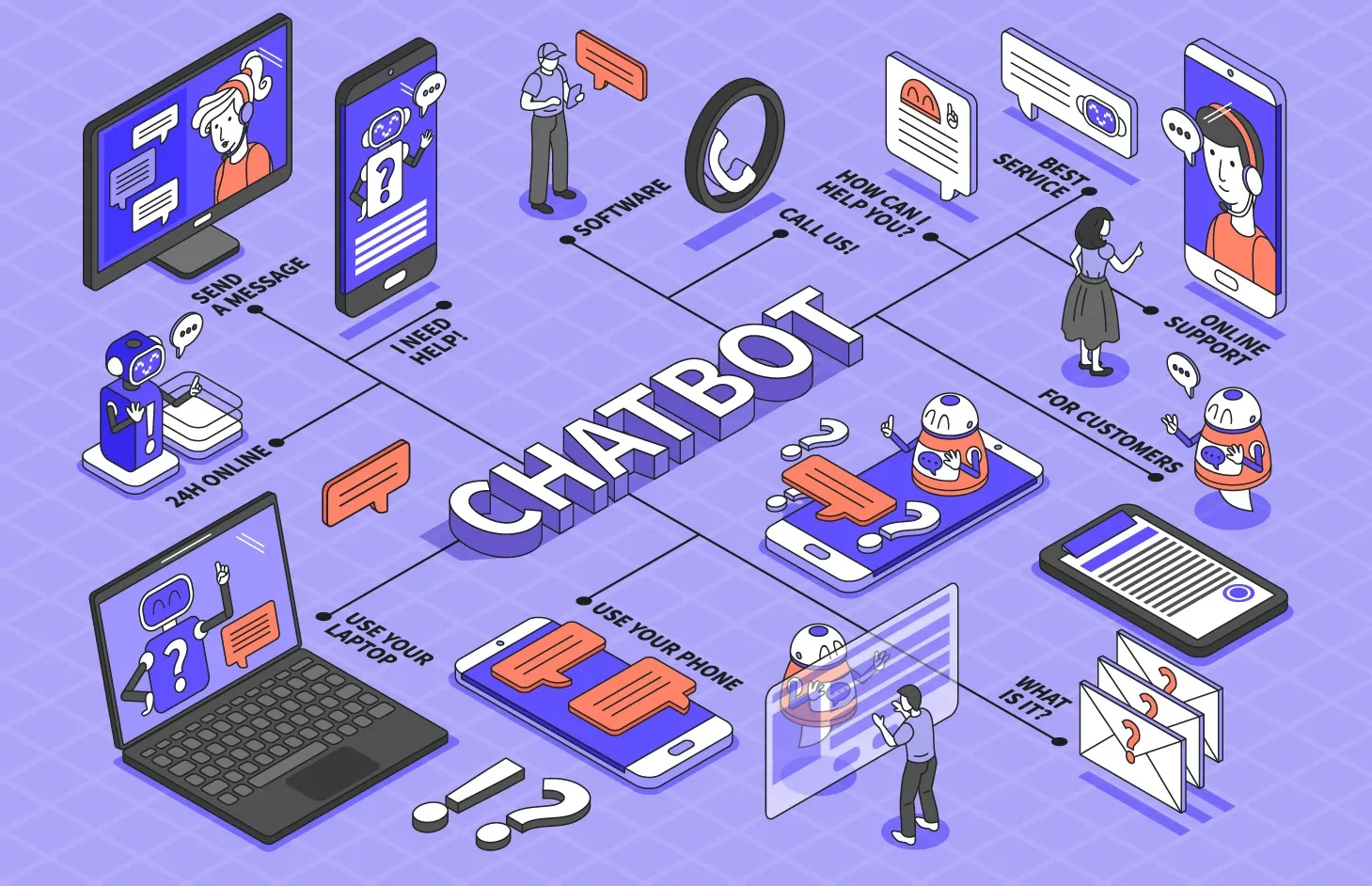
As artificial intelligence continues to evolve, AI Assistants & Chatbots are becoming valuable tools across education, healthcare, finance, retail, manufacturing, and many other industries. This guide explains how they work, their common applications, benefits, challenges, and future developments.
What Are AI Assistants & Chatbots?
AI Assistants & Chatbots are software applications that communicate with people through written or spoken language. They use artificial intelligence, natural language processing, and machine learning to understand requests and generate relevant responses.
A chatbot is usually designed for specific conversations, such as answering frequently asked questions or guiding users through predefined processes.
An AI assistant generally performs a wider variety of activities, including organizing information, managing schedules, answering questions, summarizing documents, and assisting with everyday digital tasks.
These technologies are commonly used in:
Education
Healthcare
Banking
Retail
Manufacturing
Travel
Government
Telecommunications
Human resources
Information technology
Their capabilities continue expanding as artificial intelligence develops.
Why AI Assistants & Chatbots Matter
Modern organizations communicate with thousands of people every day. Responding quickly while maintaining consistency can be challenging when communication volumes increase.
AI Assistants & Chatbots help organizations:
Respond to common questions
Organize digital communication
Simplify routine activities
Improve information access
Support productivity
Assist with repetitive tasks
Rather than replacing people, these tools often support employees by handling routine interactions while allowing staff to focus on more complex responsibilities.
How AI Assistants & Chatbots Work
Although different platforms use different technologies, most systems follow a similar process.
User Input
A person enters a question or request using text or voice.
The system receives and processes the message.
Language Understanding
Natural language processing identifies the meaning, context, and important details within the request.
This helps the system understand what information the user needs.
Information Processing
Artificial intelligence analyzes the request and determines the most appropriate response based on available knowledge or predefined workflows.
Response Generation
The assistant or chatbot generates a response and presents it through text, voice, or another digital interface.
The conversation may continue as additional questions are asked.
Key Technologies
Several technologies work together to support AI Assistants & Chatbots.
Natural Language Processing
Natural language processing enables computers to understand written and spoken language.
It identifies words, grammar, context, and intent.
Machine Learning
Machine learning allows AI systems to improve performance by analyzing data and identifying patterns over time.
Knowledge Bases
Many assistants use structured knowledge repositories to provide accurate and consistent responses.
Speech Recognition
Voice-enabled assistants convert spoken language into text before processing requests.
Common Applications
AI Assistants & Chatbots support many industries and everyday activities.
Customer Communication
Organizations use chatbots to answer common questions, provide account information, and guide users through digital processes.
Education
Educational platforms use AI assistants to explain concepts, summarize learning materials, and answer academic questions.
Healthcare
Healthcare organizations use AI tools to organize appointments, provide educational information, and assist administrative activities.
Workplace Productivity
Professionals use AI assistants to organize calendars, summarize meetings, draft documents, and manage daily tasks.
Retail
Retail organizations use chatbots to help visitors locate products, answer common questions, and provide order updates.
Features of AI Assistants & Chatbots
Modern AI platforms often include several useful capabilities.
Common features include:
Natural language conversations
Voice interaction
Task reminders
Information summaries
Calendar organization
Multilingual communication
Workflow assistance
Knowledge retrieval
These features improve digital communication across many environments.
Benefits
Organizations and individuals use AI Assistants & Chatbots for several practical reasons.
Common advantages include:
Faster access to information
Consistent communication
Improved productivity
Organized digital workflows
Better user experiences
Simplified routine activities
These improvements help support efficient communication while reducing repetitive work.
Challenges
Despite their advantages, AI systems also require careful planning.
Common considerations include:
Data privacy
Information accuracy
Security management
Human oversight
Ethical use
Responsible data handling
Organizations continue improving these areas as AI technology evolves.
AI Assistants & Chatbots Across Industries
Artificial intelligence supports many sectors.
Finance
Financial organizations use AI to answer customer questions, organize documentation, and support account management.
Manufacturing
Manufacturers use AI assistants to organize maintenance records, monitor production information, and support operational workflows.
Travel
Travel platforms use chatbots to share travel information, booking updates, and itinerary details.
Government
Public organizations use AI assistants to guide citizens toward relevant digital resources and administrative information.
AI Assistants & Chatbots Overview
| Feature | Primary Purpose |
|---|---|
| Natural Language Processing | Understands user requests |
| Machine Learning | Improves response quality |
| Voice Recognition | Processes spoken language |
| Knowledge Base | Retrieves information |
| Workflow Support | Organizes routine tasks |
| Automation | Simplifies repetitive activities |
Technology Trends
Artificial intelligence continues advancing rapidly.
Recent developments include:
Generative AI
Multimodal interaction
Advanced language models
Intelligent workflow automation
Context-aware conversations
Predictive assistance
Improved multilingual communication
These innovations continue expanding the capabilities of AI Assistants & Chatbots across different industries.
Looking Ahead
Artificial intelligence will continue shaping how people communicate with digital technology. Future AI Assistants & Chatbots are expected to provide stronger contextual understanding, improved language capabilities, enhanced personalization, and deeper integration with workplace applications.
Responsible AI development, transparency, privacy, and human oversight will remain important as these technologies become more widely used.
Why Understanding AI Assistants & Chatbots Matters
Artificial intelligence is becoming a regular part of education, healthcare, finance, workplaces, and everyday digital communication. Understanding AI Assistants & Chatbots helps individuals appreciate how these technologies organize information, automate repetitive activities, and support productive interactions.
Learning about their capabilities and limitations also encourages responsible use while helping people adapt to the growing role of artificial intelligence in modern society.
Conclusion
AI Assistants & Chatbots are transforming digital communication by combining artificial intelligence, natural language processing, and automation to help people access information, organize tasks, and interact with technology more naturally. From education and healthcare to finance and manufacturing, these tools support efficient communication and streamlined workflows. As artificial intelligence continues evolving, AI Assistants & Chatbots will remain an important part of modern digital experiences while supporting responsible and intelligent automation.