BMW Eminent Cars Complete Guide to Luxury Engineering and Driving Innovation
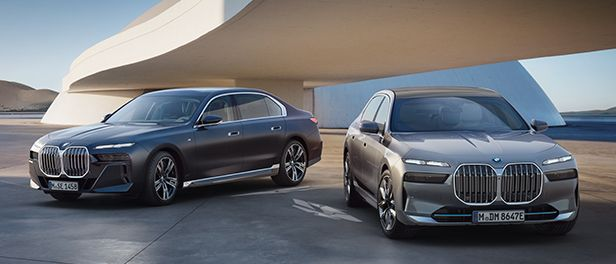
BMW Eminent Cars are often associated with advanced automotive engineering, luxury-focused design, and a long history of innovation within the global vehicle industry. The term generally refers to notable BMW models recognized for combining performance, technology, comfort, and sophisticated vehicle development. Over many decades, BMW has introduced vehicles that have influenced trends in automotive design, safety systems, and driving dynamics.
The origins of BMW trace back to the early twentieth century, when the company began developing engines and later expanded into automobile manufacturing. As vehicle technology evolved, BMW became known for producing sedans, sports cars, sport utility vehicles (SUVs), electric vehicles, and hybrid models that incorporate engineering advancements and modern driving technologies.
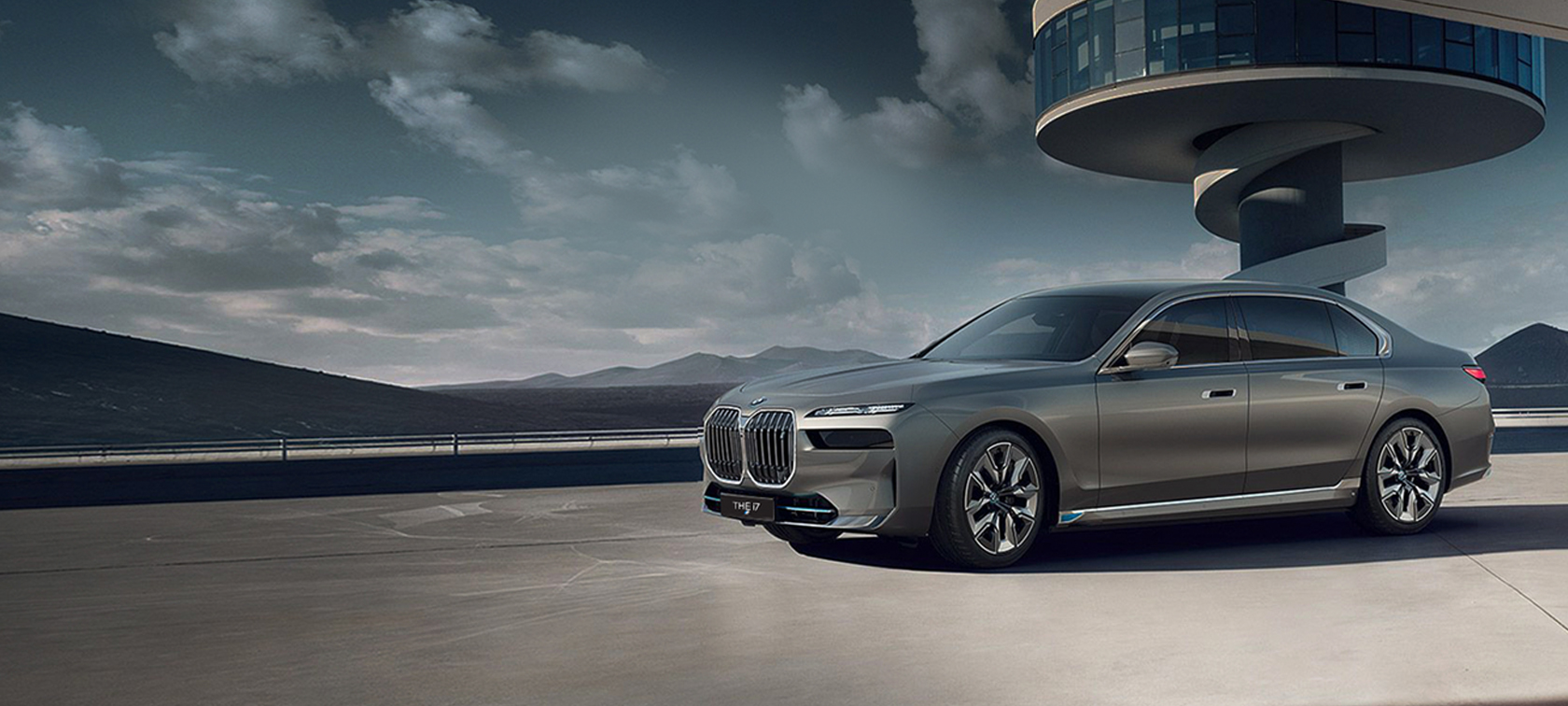
Today, BMW Eminent Cars represent more than transportation. They demonstrate how vehicle manufacturers integrate digital systems, driver assistance technologies, electrification, and premium comfort features into modern automobiles. Understanding these vehicles helps explain broader developments occurring across the automotive industry.
What Defines BMW Eminent Cars?
Several characteristics commonly distinguish prominent BMW models:
- Advanced engineering solutions
- Digital connectivity features
- Driver assistance technologies
- Luxury-focused interiors
- Performance-oriented design
- Electrification and sustainability initiatives
These elements contribute to their recognition within the automotive sector.
Common Vehicle Categories
| Category | Description |
|---|---|
| Luxury Sedans | Designed for comfort and executive travel |
| Sports Sedans | Balance performance and everyday usability |
| SUVs | Provide versatility and spacious interiors |
| Electric Vehicles | Powered by rechargeable battery systems |
| Hybrid Models | Combine electric and combustion technologies |
| Performance Models | Focus on enhanced driving dynamics |
The diversity of vehicle categories reflects changing consumer preferences and transportation needs.
Importance
Influencing Automotive Development
BMW Eminent Cars have contributed to advancements in vehicle engineering over many years. New technologies introduced in premium vehicle segments often influence broader automotive trends.
Examples include:
- Digital instrument displays
- Advanced suspension systems
- Driver assistance features
- Electrified powertrains
- Connected vehicle technologies
These developments frequently expand into other vehicle categories over time.
Supporting Modern Mobility
Transportation requirements continue evolving as cities grow and digital technologies become more integrated into daily life. Modern vehicles are expected to provide connectivity, safety, efficiency, and comfort.
BMW models help illustrate how manufacturers are responding to these expectations through continuous innovation.
Advancing Vehicle Safety
Safety remains a major priority across the automotive industry. Modern vehicles incorporate systems designed to assist drivers, improve awareness, and reduce accident risks.
Common safety-related technologies include:
- Collision warning systems
- Adaptive cruise control
- Blind spot monitoring
- Emergency braking assistance
- Lane guidance technologies
These systems support safer driving environments.
Encouraging Electrification
The automotive industry is increasingly focused on reducing emissions and improving energy efficiency. BMW has participated in this transition through electric and hybrid vehicle development.
Electrification contributes to broader sustainability goals while introducing new approaches to vehicle performance and energy management.
Enhancing User Experience
Modern vehicles serve as technology platforms as well as transportation tools. Drivers and passengers often expect integrated navigation, connectivity, entertainment, and personalized settings.
BMW Eminent Cars demonstrate how automotive manufacturers are combining mobility with digital convenience.
Importance of Luxury Engineering
Vehicle Design Philosophy
Vehicle design extends beyond appearance. Engineering teams focus on aerodynamics, structural integrity, comfort, and efficiency when developing modern automobiles.
Important design considerations include:
- Passenger comfort
- Visibility
- Material quality
- Cabin functionality
- Energy efficiency
These factors influence both driving experience and overall vehicle performance.
Advanced Powertrain Systems
Powertrain technology determines how a vehicle generates and delivers power. BMW has developed various powertrain solutions ranging from conventional engines to hybrid and fully electric systems.
Modern powertrain objectives often include:
- Improved efficiency
- Reduced emissions
- Enhanced responsiveness
- Smoother operation
- Better energy management
These goals reflect broader industry priorities.
Intelligent Driver Assistance
Driver assistance technologies use sensors, cameras, and software to monitor driving conditions.
Examples include:
- Traffic monitoring systems
- Parking assistance
- Road sign recognition
- Lane departure alerts
- Distance management technologies
While these systems support drivers, they do not replace the need for attentive vehicle operation.
Connectivity and Digital Features
Vehicles increasingly rely on software-based platforms. Connectivity features allow drivers to access navigation tools, communication systems, and vehicle information through integrated digital interfaces.
Connected vehicle technology has become a major area of automotive innovation.
Comfort and Interior Technology
Luxury vehicles place significant emphasis on passenger comfort. Modern interiors often include:
- Advanced seating systems
- Climate management technologies
- Noise reduction measures
- Digital displays
- Personalized user settings
These features contribute to a more refined travel experience.
Recent Updates
Expansion of Electric Vehicle Programs
Between 2024 and 2026, electric mobility remained a major focus throughout the automotive industry. Manufacturers expanded electric vehicle portfolios and invested in battery development technologies.
BMW continued emphasizing electrification as part of broader transportation trends.
Software-Driven Vehicle Functions
Modern vehicles increasingly depend on software systems. Recent developments have improved navigation capabilities, digital user interfaces, and connectivity functions.
Software updates have become an important component of vehicle functionality.
Enhanced Driver Assistance Technologies
Automotive manufacturers continue improving driver support systems through advanced sensors and computing capabilities.
Recent improvements focus on:
- Better environmental awareness
- More accurate object detection
- Enhanced parking support
- Improved traffic monitoring
These advancements support evolving safety objectives.
Sustainable Manufacturing Initiatives
Vehicle manufacturers are exploring methods to reduce environmental impact during production.
Areas of focus include:
- Renewable energy use
- Material recycling
- Resource efficiency
- Battery sustainability
- Waste reduction strategies
These initiatives align with broader environmental priorities.
Growth of Connected Mobility
Connected mobility solutions continue expanding across the automotive sector. Vehicles increasingly interact with digital ecosystems that support navigation, diagnostics, and communication functions.
This trend reflects the growing relationship between transportation and information technology.
Laws or Policies
Vehicle Safety Standards
BMW vehicles must comply with safety regulations established by transportation authorities in different markets.
These standards commonly address:
- Crash protection
- Occupant safety
- Lighting systems
- Braking performance
- Electronic safety features
Compliance helps ensure vehicles meet regulatory requirements.
Environmental Regulations
Governments worldwide continue implementing environmental policies designed to reduce transportation-related emissions.
These regulations influence:
- Engine development
- Hybrid technologies
- Electric vehicle adoption
- Energy efficiency improvements
Environmental standards play an important role in automotive innovation.
Data Protection Requirements
Connected vehicles generate significant amounts of digital information. Regulations increasingly focus on privacy protection and responsible data management.
Manufacturers must address cybersecurity and user privacy considerations.
Electric Vehicle Policies
Many countries support electric mobility through infrastructure development programs and transportation planning initiatives.
Such policies contribute to the growth of charging networks and electric vehicle ecosystems.
Vehicle Certification Procedures
Before entering the market, vehicles undergo testing and certification processes to verify compliance with applicable regulations.
Certification procedures help maintain safety and environmental standards across the industry.
Tools and Resources
Manufacturer Information Platforms
Official automotive websites provide detailed information regarding vehicle specifications, technology features, maintenance guidance, and model updates.
Vehicle Safety Organizations
Independent safety organizations publish research and educational materials related to vehicle technologies and safety performance.
These resources help consumers better understand automotive developments.
Navigation Applications
Navigation tools support route planning, traffic monitoring, and travel efficiency. Many modern vehicles integrate directly with navigation platforms.
Electric Vehicle Infrastructure Maps
Charging station maps help electric vehicle users locate charging facilities and plan longer journeys.
Such tools support growing electric mobility adoption.
Automotive Research Publications
Industry research groups and automotive publications regularly analyze transportation trends, emerging technologies, and vehicle innovations.
These resources provide valuable educational information for readers interested in automotive developments.
FAQs
What are BMW Eminent Cars?
BMW Eminent Cars generally refer to notable BMW models recognized for combining luxury, technology, engineering innovation, and modern driving features.
Why are BMW Eminent Cars important in the automotive industry?
BMW Eminent Cars often showcase technologies and engineering approaches that influence broader automotive development, including safety systems and digital features.
Do BMW Eminent Cars include electric vehicles?
Yes. Many modern BMW models include electric and hybrid technologies that support evolving transportation and sustainability objectives.
What technologies are commonly found in BMW Eminent Cars?
Common technologies include driver assistance systems, digital displays, navigation platforms, connectivity features, advanced suspension systems, and electrified powertrains.
How do BMW Eminent Cars reflect modern automotive trends?
These vehicles demonstrate key industry trends such as electrification, software integration, connected mobility, enhanced safety systems, and sustainable manufacturing initiatives.
Conclusion
BMW Eminent Cars represent the ongoing evolution of automotive engineering, luxury design, and transportation technology. Through innovations in safety, connectivity, electrification, and vehicle performance, they illustrate how modern automobiles continue adapting to changing consumer expectations and regulatory requirements. Advances in digital systems and sustainable mobility are shaping future vehicle development across the industry. Understanding these vehicles provides valuable insight into broader trends influencing transportation worldwide.