Discover How Electronic Components Power Everyday Devices and Systems
Modern life depends heavily on technology. From smartphones and laptops to household appliances and transportation systems, electronic devices play an important role in daily activities. Behind every electronic device is a collection of electronic components or parts working together to perform specific functions.
Although many people use electronic products every day, they may not fully understand what makes these devices function. Electronic components are the building blocks of electronic circuits, helping control, store, process, and transfer electrical signals. Without them, modern technology would not operate as we know it today.
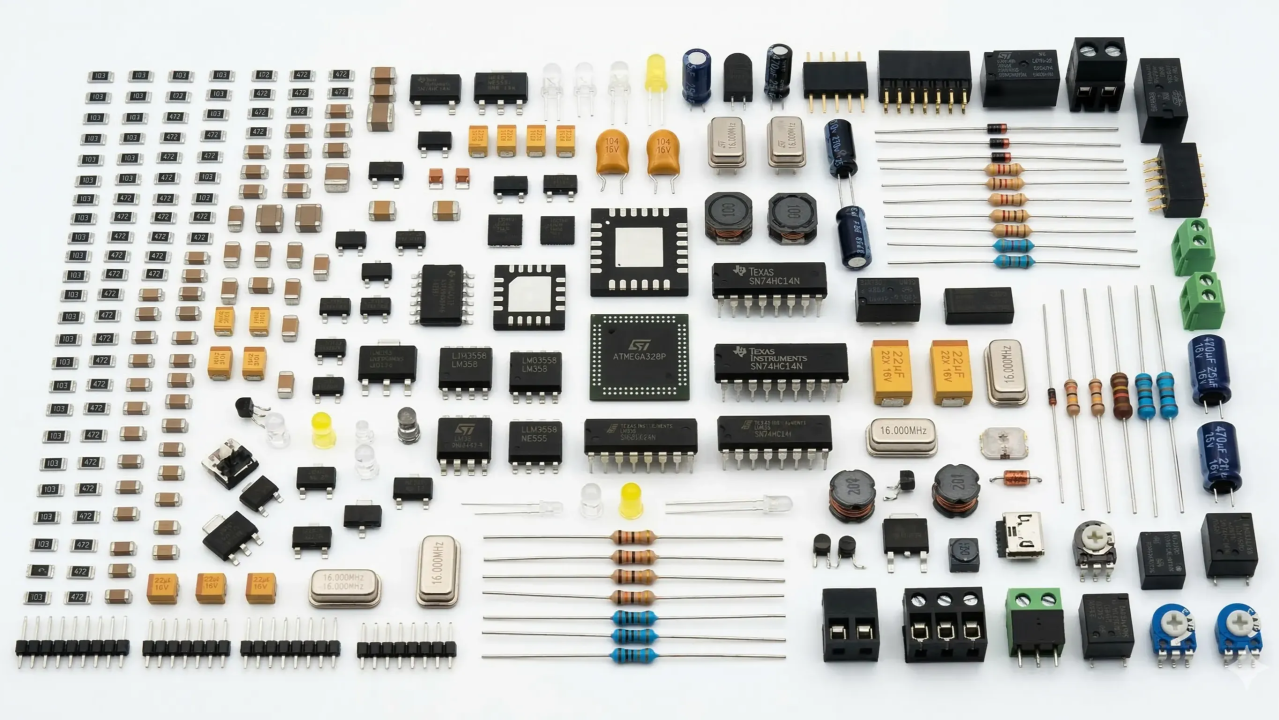
Understanding the basics of electronic components can help individuals gain a clearer view of how everyday devices function and why these parts are important across numerous industries.
What Are Electronic Components or Parts?
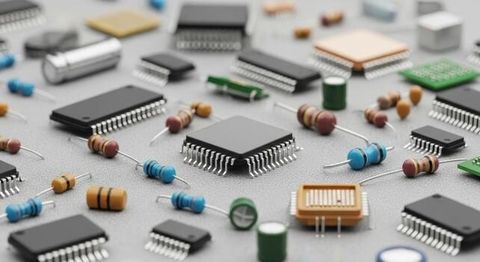
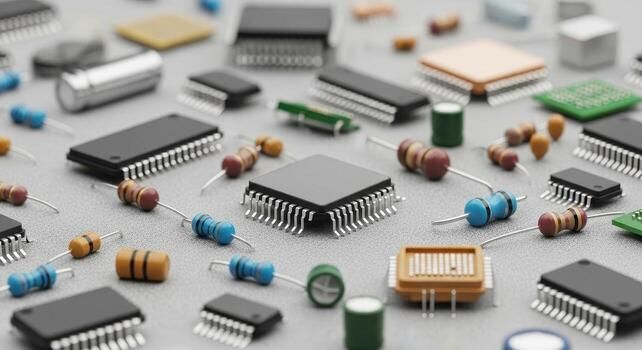
Electronic components or parts are individual elements used within electronic circuits. Each component performs a specific function, such as controlling current flow, storing energy, processing information, or generating signals.
These components are assembled onto circuit boards and connected to create electronic systems capable of performing various tasks.
Electronic parts can be found in:
Smartphones
Computers
Televisions
Medical equipment
Industrial machinery
Automotive systems
Communication devices
Home appliances
Every electronic product contains numerous components working together to achieve a desired outcome.
Why Electronic Components Are Important
Electronic components form the foundation of modern technology. Their importance extends across almost every aspect of daily life.
Some key reasons they matter include:
Supporting communication technologies
Enabling automation systems
Powering consumer electronics
Improving transportation technologies
Supporting healthcare equipment
Facilitating data processing and storage
Without electronic components, many modern conveniences and technological advancements would not exist.
Main Categories of Electronic Components
Electronic components are generally divided into several categories based on their function.
Passive Components
Passive components do not amplify signals or generate energy. Instead, they manage electrical flow within a circuit.
Common passive components include:
Resistors
Capacitors
Inductors
These parts help regulate voltage, store electrical energy, and filter signals.
Active Components
Active components require electrical power to function and often control or amplify signals.
Examples include:
Transistors
Integrated circuits
Microprocessors
Diodes
These components perform essential processing and control functions in electronic systems.
Electromechanical Components
These components combine electrical and mechanical functions.
Examples include:
Switches
Relays
Connectors
Sensors
They help devices interact with users and external environments.
Understanding Common Electronic Components
Resistors
Resistors control the flow of electrical current within a circuit.
Their primary functions include:
Limiting current
Protecting sensitive components
Controlling voltage levels
Resistors are among the most widely used electronic components.
Capacitors
Capacitors store electrical energy temporarily and release it when needed.
They are commonly used for:
Power stabilization
Signal filtering
Energy storage
Timing applications
Capacitors appear in nearly every electronic device.
Inductors
Inductors store energy within magnetic fields.
Typical applications include:
Power supplies
Filters
Radio-frequency circuits
They help manage current changes and reduce unwanted electrical noise.
Diodes
Diodes allow electricity to flow in one direction while blocking reverse flow.
Common uses include:
Power conversion
Circuit protection
Signal processing
Light-emitting diodes (LEDs) are a popular example used in lighting and displays.
Transistors
Transistors act as switches or amplifiers within electronic circuits.
They are essential for:
Data processing
Signal amplification
Logic operations
Modern computers contain billions of transistors working together.
Integrated Circuits
Integrated circuits, often called ICs or microchips, contain numerous electronic components on a single semiconductor chip.
ICs perform tasks such as:
Data processing
Memory storage
Communication control
System management
They are central to modern electronic devices.
How Electronic Components Work Together
A single component cannot usually perform a complete task on its own. Instead, multiple components interact within a circuit.
For example, in a smartphone:
Batteries provide power.
Capacitors stabilize voltage.
Transistors process signals.
Integrated circuits manage operations.
Sensors detect user input.
LEDs illuminate displays.
Each component contributes to the overall functionality of the device.
Electronic Components in Everyday Devices
Many people interact with electronic components without realizing it.
Smartphones
Smartphones contain thousands of electronic parts that manage communication, processing, display functions, and connectivity.
Home Appliances
Devices such as refrigerators, washing machines, and microwave ovens use electronic circuits for automation and control.
Computers
Computers depend on processors, memory chips, capacitors, and other components to handle data and execute tasks.
Vehicles
Modern vehicles include electronic systems for navigation, safety features, entertainment, and engine management.
Medical Equipment
Diagnostic and monitoring devices rely on precise electronic components for accurate operation.
These examples highlight the widespread use of electronics in daily life.
Applications Across Industries
Electronic components support a wide range of industries.
Healthcare
Electronic devices assist with monitoring, diagnostics, imaging, and treatment technologies.
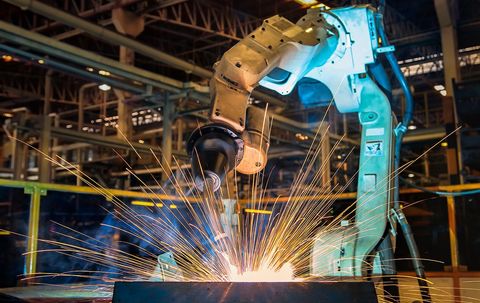
Manufacturing
Factories use automated systems powered by sensors, controllers, and electronic circuits.
Telecommunications
Communication networks rely on sophisticated electronic hardware to transmit information.
Transportation
Electronic systems contribute to navigation, vehicle monitoring, and safety technologies.
Energy
Power generation and distribution systems use electronic controls for monitoring and efficiency improvements.
These applications demonstrate the broad impact of electronic technology.
The Role of Miniaturization
One significant trend in electronics is miniaturization.
As technology advances, manufacturers continue developing smaller components capable of delivering higher performance.
Benefits of miniaturization include:
Compact devices
Increased portability
Lower energy consumption
Higher processing capabilities
Improved device functionality
This trend has contributed to the growth of wearable technology, smartphones, and compact computing devices.
Challenges in Electronic Component Design
Although electronic technology continues advancing, engineers face several challenges.
Heat Management
As devices become more powerful, managing heat becomes increasingly important.
Reliability
Components must perform consistently under varying conditions.
Energy Efficiency
Reducing power consumption remains a major design objective.
Component Density
Modern devices require more functionality within limited physical space.
Addressing these challenges helps improve device performance and longevity.
Emerging Trends in Electronic Components
The electronics industry continues evolving rapidly.
Important developments include:
Artificial Intelligence Hardware
Specialized chips support AI applications and machine learning tasks.
Internet of Things (IoT)
Connected devices require compact and efficient electronic components.
Electric Vehicles
Advanced electronics support battery management and vehicle control systems.
Smart Devices
Home automation technologies continue expanding through intelligent electronic systems.
Sustainable Electronics
Manufacturers increasingly focus on environmentally responsible materials and production methods.
These trends are shaping the future of electronics worldwide.
Tips for Understanding Electronic Components
For beginners interested in learning more about electronics, the following approaches can be helpful:
Study basic circuit concepts.
Learn the functions of common components.
Explore educational videos and tutorials.
Practice identifying components on circuit boards.
Understand simple electronic diagrams.
Follow developments in consumer technology.
Building foundational knowledge makes electronics easier to understand over time.
Conclusion
Electronic components or parts are the foundation of modern electronic devices and systems. From simple household appliances to advanced industrial equipment, these components work together to process information, manage power, and enable communication.
Understanding how electronic components function helps explain the technology that surrounds us every day. As innovation continues to advance, these small but essential parts will remain central to the development of smarter, more connected, and more efficient electronic systems across industries and everyday life.