Industrial Steel Manufacturing Complete Guide to Production Processes and Modern Engineering
Industrial Steel Manufacturing is a major part of modern industry and infrastructure development. Steel is used in buildings, transportation systems, machinery, energy facilities, household products, and many other applications. Its combination of strength, durability, and versatility makes it one of the most widely used engineering materials in the world.
The development of Industrial Steel Manufacturing has evolved over centuries. Early metalworking methods produced small quantities of steel, but advances in industrial technology allowed large-scale production. Modern facilities use advanced equipment, automated controls, and sophisticated quality management systems to create steel products for diverse industries.

Steel manufacturing exists to transform raw materials such as iron ore, recycled scrap metal, and alloying elements into products with specific mechanical and chemical properties. Different production methods help manufacturers create steel suitable for construction, automotive production, industrial equipment, and specialized engineering applications.
How Steel Is Manufactured
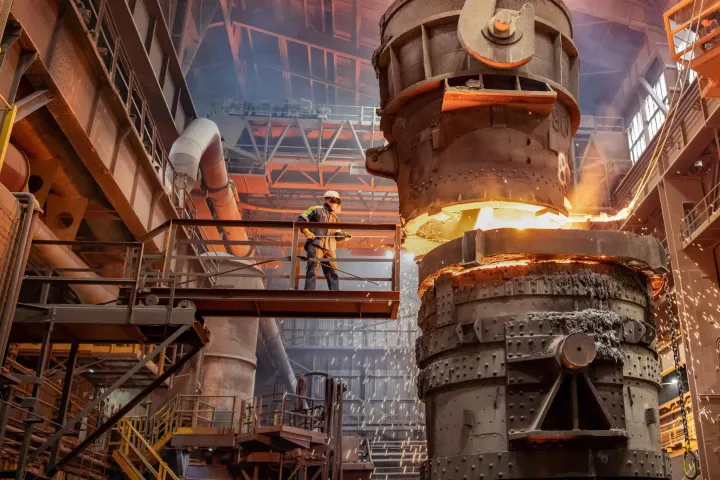
The manufacturing process generally begins with the preparation of raw materials. Iron ore, coke, limestone, and recycled steel are processed in large facilities designed to produce molten metal.
Common stages include:
- Raw material preparation
- Ironmaking
- Steelmaking
- Secondary refining
- Casting
- Rolling and shaping
- Quality inspection
Each stage contributes to the final characteristics of the steel product.
Common Types of Steel
Industrial Steel Manufacturing produces several categories of steel.
| Steel Type | Main Characteristics | Typical Applications |
|---|---|---|
| Carbon Steel | Strong and versatile | Construction and machinery |
| Stainless Steel | Corrosion resistant | Food processing and healthcare |
| Alloy Steel | Enhanced performance | Automotive and aerospace |
| Tool Steel | High hardness | Cutting and forming tools |
| Structural Steel | High strength | Buildings and bridges |
Importance
Industrial Steel Manufacturing plays a significant role in supporting economic development and industrial growth. Many sectors depend on steel products for daily operations and long-term projects.
Supporting Infrastructure Development
Roads, bridges, airports, rail networks, and commercial buildings rely heavily on steel components. Structural steel provides strength and stability for large construction projects.
Without reliable steel production, many infrastructure developments would face significant challenges in meeting engineering and safety requirements.
Supporting Manufacturing Industries
Numerous manufacturing sectors depend on steel as a primary material. Vehicles, industrial equipment, agricultural machinery, and appliances often contain steel components.
Industrial Steel Manufacturing ensures that manufacturers have access to materials with specific properties tailored to different applications.
Promoting Recycling and Resource Efficiency
Steel is highly recyclable. Many steel production facilities incorporate recycled scrap metal into manufacturing processes, reducing the need for raw material extraction.
This capability supports resource conservation and contributes to circular economy practices across industries.
Enhancing Engineering Performance
Modern engineering projects require materials capable of handling demanding operating conditions. Steel can be customized to provide:
- High tensile strength
- Corrosion resistance
- Heat resistance
- Impact resistance
- Long operational life
These characteristics make steel suitable for a wide variety of environments.
Recent Updates
Industrial Steel Manufacturing continues to evolve through technological improvements, environmental initiatives, and digital transformation efforts.
Increased Automation
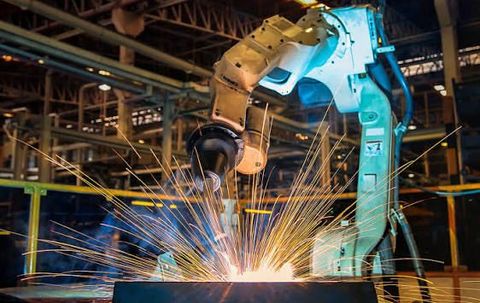
Manufacturing facilities increasingly use automated systems to monitor production processes. Sensors, robotics, and computerized control systems help improve consistency and operational efficiency.
Automation also assists with quality inspection and production monitoring.
Growth of Smart Manufacturing
Digital technologies are becoming more common throughout steel production facilities. Smart manufacturing systems collect and analyze operational data to support process optimization.
Examples include:
- Predictive maintenance systems
- Digital production monitoring
- Automated quality analysis
- Real-time equipment diagnostics
Focus on Emission Reduction
Many manufacturers are exploring methods to reduce environmental impacts associated with steel production. Research efforts include alternative fuels, hydrogen-based processes, and improved energy efficiency.
These developments aim to support cleaner industrial operations while maintaining production capacity.
Advanced Material Development
Manufacturers continue developing steel grades with specialized properties. Advanced high-strength steels are increasingly used in transportation, construction, and industrial equipment applications.
These materials provide improved performance while supporting modern engineering requirements.
Laws or Policies
Industrial Steel Manufacturing operates within regulatory frameworks that address environmental protection, worker safety, product quality, and industrial operations.
Environmental Regulations
Steel production facilities must comply with environmental standards established by government authorities.
Common areas of regulation include:
- Air emissions
- Water management
- Waste handling
- Energy efficiency
- Industrial reporting requirements
These measures help reduce environmental impacts associated with manufacturing activities.
Occupational Safety Requirements
Steel production involves high temperatures, heavy equipment, and complex industrial processes. Worker safety regulations establish requirements for protective equipment, training, and workplace procedures.
Safety programs are designed to reduce workplace risks and support operational safety.
Product Standards
Steel products often must comply with recognized national and international standards. These standards define requirements related to strength, composition, dimensions, and performance.
Examples of commonly referenced standards include those developed by:
- ISO
- ASTM
- EN
- BIS
- JIS
Industrial Compliance Programs
Many countries operate industrial compliance programs that monitor manufacturing practices. Facilities may undergo inspections and audits to verify compliance with applicable regulations.
These programs help maintain product quality and operational accountability.
Tools and Resources
A variety of tools and resources support Industrial Steel Manufacturing activities, research, engineering, and quality control.
Design and Engineering Software
Engineers frequently use computer-aided design and simulation platforms to develop steel structures and manufacturing systems.
Examples include:
- AutoCAD
- SolidWorks
- CATIA
- Tekla Structures
These tools assist with design accuracy and project planning.
Manufacturing Execution Systems
Manufacturing execution systems help monitor production activities and track operational performance.
Common functions include:
- Production scheduling
- Inventory monitoring
- Quality management
- Equipment tracking
Material Analysis Equipment
Quality control relies on specialized instruments that evaluate material properties.
Examples include:
- Spectrometers
- X-ray diffractometers
- Tensile testing machines
- Hardness testers
- Ultrasonic inspection systems
These instruments help verify compliance with technical specifications.
Industry Information Resources
Several organizations publish research, standards, and technical guidance related to Industrial Steel Manufacturing.
Examples include:
- World Steel Association
- American Iron and Steel Institute
- International Organization for Standardization
- National engineering institutions
These resources provide valuable information for engineers, researchers, and industry professionals.
FAQs
What is Industrial Steel Manufacturing?
Industrial Steel Manufacturing is the process of producing steel from raw materials such as iron ore and recycled metal through controlled industrial operations. The resulting steel is used in construction, transportation, manufacturing, and infrastructure projects.
Why is Industrial Steel Manufacturing important?
Industrial Steel Manufacturing supports the production of materials needed for buildings, machinery, transportation systems, and industrial facilities. It plays a significant role in modern engineering and economic development.
What raw materials are used in Industrial Steel Manufacturing?
Common raw materials include iron ore, coke, limestone, scrap steel, and alloying elements. These materials are processed and refined to create steel products with specific characteristics.
How does Industrial Steel Manufacturing support sustainability?
Many facilities incorporate recycled steel into production processes. Recycling helps reduce raw material consumption and supports resource conservation efforts within industrial supply chains.
What industries rely on Industrial Steel Manufacturing?
Many sectors depend on steel products, including construction, automotive manufacturing, energy production, transportation, agriculture, aerospace, and industrial equipment manufacturing.
Conclusion
Industrial Steel Manufacturing remains an essential part of modern industry, supporting infrastructure, transportation, construction, and advanced engineering applications. Through a combination of raw material processing, refining technologies, and quality control systems, manufacturers produce steel products designed for diverse uses. Recent developments in automation, digital technologies, and environmental initiatives continue to shape the industry. As engineering demands evolve, steel manufacturing remains closely connected to technological progress and industrial development.