LPG Filling Plants Insights Complete Guide to Operations Safety and Industrial Applications
LPG Filling Plants are specialized industrial facilities designed to store, handle, and fill liquefied petroleum gas (LPG) into cylinders for distribution and use. LPG is a fuel primarily composed of propane, butane, or a mixture of both. It is widely used for cooking, heating, industrial processes, and certain transportation applications.
The development of LPG Filling Plants emerged alongside the growing demand for portable and efficient fuel solutions. As LPG became more commonly used in households and industries, dedicated facilities were established to safely transfer gas from bulk storage systems into cylinders of various capacities.
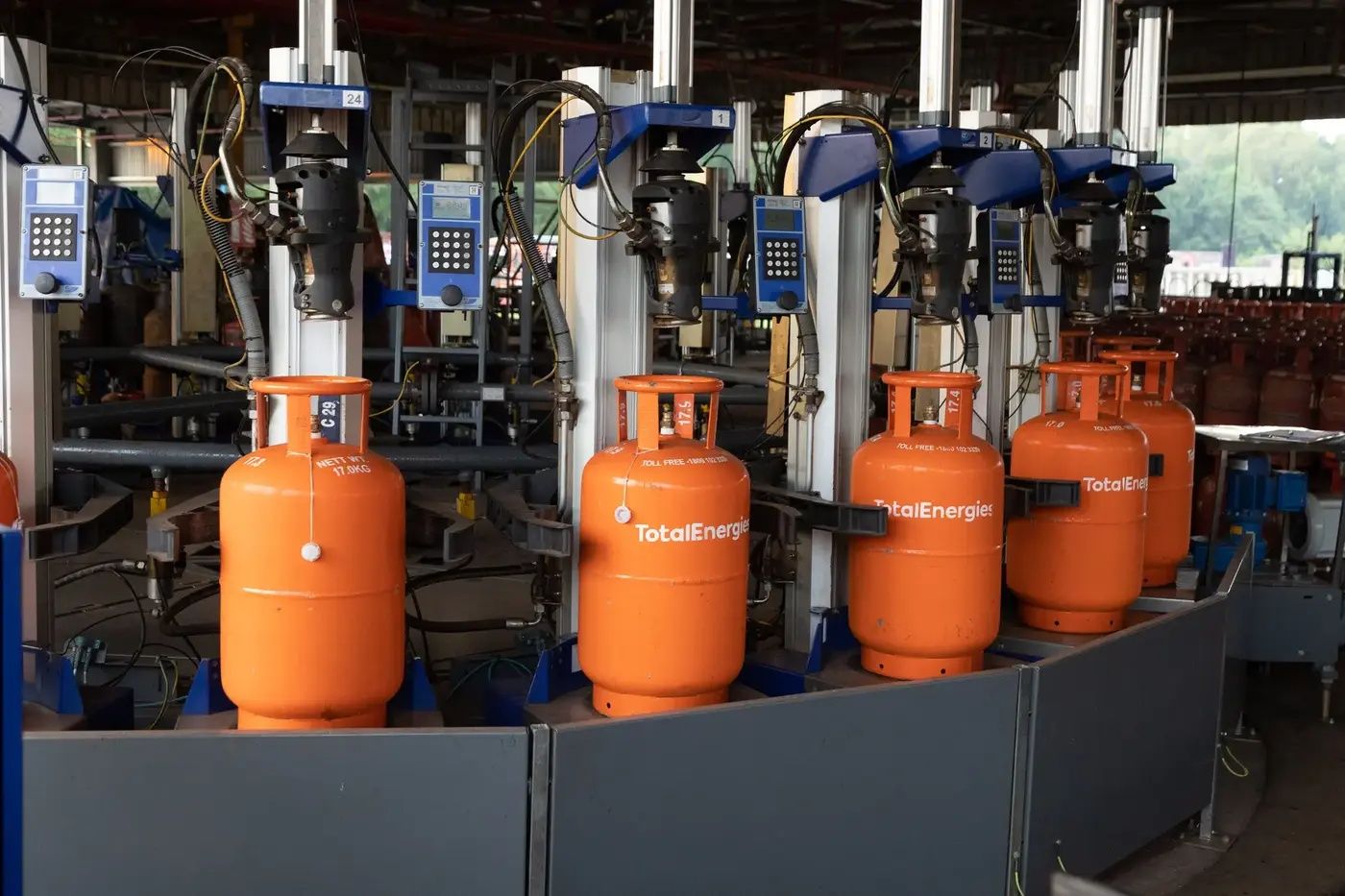
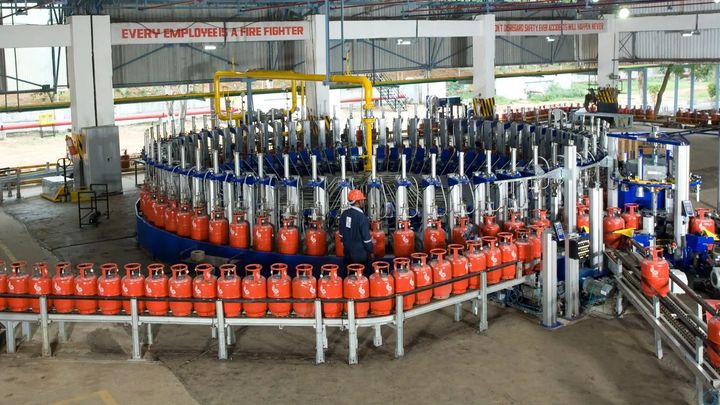
Modern LPG Filling Plants use automated equipment, monitoring systems, and safety mechanisms to manage the filling process. These facilities form an important part of the energy supply chain, helping ensure that LPG reaches residential, commercial, and industrial users in a controlled and organized manner.
How LPG Filling Plants Operate
The primary function of an LPG filling facility is to receive LPG from storage terminals or transport systems and fill it into approved cylinders.
The process generally includes:
- LPG receiving and storage
- Cylinder inspection
- Cylinder filling
- Weight verification
- Leak detection
- Valve inspection
- Labeling and dispatch
Each stage is designed to maintain safety and product consistency throughout the operation.
Main Components of LPG Filling Plants
| Component | Function |
|---|---|
| Storage Tanks | Store LPG before filling operations |
| Filling Machines | Transfer LPG into cylinders |
| Conveyors | Move cylinders through production lines |
| Weighing Systems | Verify cylinder fill quantity |
| Leak Detection Equipment | Identify gas leakage |
| Fire Protection Systems | Enhance facility safety |
| Control Systems | Monitor plant operations |
These components work together to support efficient cylinder filling activities.
Importance
LPG Filling Plants play a significant role in energy distribution and industrial operations. Their importance extends beyond fuel handling and affects households, businesses, and infrastructure.
Supporting Household Energy Needs
Many households rely on LPG for cooking and heating. Filling plants help ensure that cylinders are prepared and distributed through established supply networks.
Without organized filling operations, maintaining a reliable LPG distribution system would be difficult.
Supporting Commercial Activities
Restaurants, hotels, food processing facilities, and other commercial establishments often use LPG as an energy source.
LPG Filling Plants contribute to maintaining fuel availability for these sectors, helping support daily operations and energy requirements.
Enabling Industrial Applications
Industries use LPG for various purposes, including heating, metal processing, manufacturing, and power generation.
Consistent cylinder preparation and distribution help industrial users access fuel suitable for their operational needs.
Promoting Safe Fuel Handling
Because LPG is stored under pressure, proper handling procedures are essential.
LPG Filling Plants implement controlled filling processes, inspection protocols, and safety systems designed to reduce operational risks associated with fuel storage and transportation.
Supporting Energy Accessibility
In areas where pipeline infrastructure is limited, LPG cylinders provide an alternative energy source.
Filling plants help facilitate the movement of LPG into regions that may not have direct access to other fuel distribution networks.
Recent Updates
LPG Filling Plants have experienced several technological and operational developments between 2024 and 2026.
Increased Automation
Automation continues to expand within LPG filling facilities. Automated filling systems can improve consistency and reduce manual handling during operations.
Automation technologies often include:
- Automated filling machines
- Digital weighing systems
- Cylinder tracking solutions
- Process monitoring platforms
These technologies help improve operational control.
Smart Monitoring Systems
Facilities are increasingly adopting digital monitoring tools that provide real-time operational data.
Examples include:
- Tank level monitoring
- Pressure monitoring
- Temperature tracking
- Alarm management systems
- Remote operational dashboards
These systems assist operators in maintaining safe working conditions.
Enhanced Safety Technologies
Safety remains a major focus in LPG operations. Modern plants are integrating advanced safety equipment designed to identify abnormal operating conditions more quickly.
Common improvements include enhanced gas detection systems, emergency shutdown mechanisms, and automated fire protection controls.
Sustainability Initiatives
Industrial facilities are increasingly exploring methods to improve energy efficiency and reduce environmental impacts.
Current trends include:
- Energy-efficient equipment
- Improved process controls
- Reduced emissions monitoring
- Resource optimization programs
These efforts support broader industrial sustainability objectives.
Digital Cylinder Tracking
Many facilities now use barcode and RFID technologies to monitor cylinder movement and maintenance history.
Digital tracking improves inventory visibility and assists with inspection management.
Laws or Policies
LPG Filling Plants operate within regulatory frameworks designed to protect workers, communities, and the environment.
Safety Regulations
Governments typically establish safety requirements governing LPG storage and filling activities.
These regulations often address:
- Storage tank specifications
- Cylinder handling procedures
- Fire prevention measures
- Emergency response planning
- Personnel training requirements
Compliance helps maintain safe facility operations.
Pressure Equipment Standards
LPG cylinders and storage systems operate under pressure and must comply with applicable engineering standards.
Standards often define:
- Material requirements
- Manufacturing specifications
- Testing procedures
- Inspection intervals
These measures help ensure equipment reliability.
Environmental Requirements
Environmental regulations may govern emissions, waste management, and operational practices.
Facility operators are often required to implement measures that minimize environmental impacts associated with industrial activities.
Occupational Health and Safety Policies
Workers in LPG facilities may be exposed to operational hazards associated with pressurized fuel systems.
Occupational safety regulations commonly address:
- Protective equipment
- Emergency preparedness
- Hazard communication
- Workplace inspections
- Safety training
These policies help reduce workplace risks.
Transportation Regulations
LPG cylinders are frequently transported between filling plants and distribution locations.
Transportation regulations often establish requirements for:
- Vehicle safety
- Cylinder labeling
- Documentation
- Handling procedures
These requirements help support safe movement of LPG products.
Tools and Resources
A range of technologies and resources support the operation and management of LPG Filling Plants.
Plant Control Systems
Control systems allow operators to monitor and manage facility activities.
Common functions include:
- Tank monitoring
- Filling process control
- Alarm management
- Equipment diagnostics
These systems support operational visibility.
Gas Detection Equipment
Gas detection systems play an important role in facility safety.
Examples include:
- Fixed gas detectors
- Portable gas monitors
- Leak detection instruments
- Area monitoring systems
These tools help identify potential gas releases.
Weighing and Measurement Systems
Accurate cylinder filling depends on reliable measurement technologies.
Common equipment includes:
- Electronic weighing scales
- Automated filling controllers
- Calibration systems
- Verification instruments
These technologies assist with filling accuracy.
Maintenance Management Software
Many facilities use digital platforms to manage inspections and equipment maintenance.
Typical functions include:
- Maintenance scheduling
- Asset tracking
- Inspection records
- Compliance documentation
These systems help support facility reliability.
Industry Organizations and Standards Resources
Plant operators often reference guidance from recognized industry organizations and standards bodies.
Examples include:
- ISO standards
- National petroleum regulatory authorities
- Occupational safety agencies
- Fire safety organizations
These resources provide technical information and compliance guidance.
FAQs
What are LPG Filling Plants?
LPG Filling Plants are industrial facilities that store liquefied petroleum gas and fill it into approved cylinders for residential, commercial, and industrial use.
Why are LPG Filling Plants important?
LPG Filling Plants support the safe handling, storage, and preparation of LPG cylinders. They play a key role in the energy distribution chain for many communities and industries.
How do LPG Filling Plants maintain safety?
Facilities use multiple safety measures, including gas detection systems, emergency shutdown controls, leak testing procedures, fire protection equipment, and operational inspections.
What equipment is commonly used in LPG Filling Plants?
Common equipment includes storage tanks, filling machines, weighing systems, conveyor systems, gas detectors, fire protection equipment, and digital control platforms.
Are LPG Filling Plants regulated by government authorities?
Yes. LPG Filling Plants typically operate under regulations related to safety, environmental protection, equipment standards, worker protection, and transportation requirements.
Conclusion
LPG Filling Plants are an important part of the energy supply chain, supporting the storage, handling, and filling of liquefied petroleum gas for various applications. These facilities combine specialized equipment, safety systems, and operational controls to manage LPG efficiently and responsibly. Recent developments in automation, digital monitoring, and safety technologies continue to influence plant operations. As energy infrastructure evolves, LPG filling facilities remain an essential component of fuel distribution and industrial energy management.