Precision Medical Machining for Modern Medical Devices Complete Guide to Advanced Manufacturing
Precision Medical Machining is a specialized manufacturing process used to create highly accurate components for medical devices, instruments, implants, and diagnostic equipment. The process involves shaping materials to extremely tight tolerances so that medical products can function reliably in healthcare environments.
The development of Precision Medical Machining is closely linked to advances in medicine and engineering. As healthcare technology evolved, manufacturers needed methods capable of producing increasingly complex and miniature components. Traditional manufacturing techniques often lacked the accuracy required for modern medical applications, leading to the adoption of advanced machining technologies.
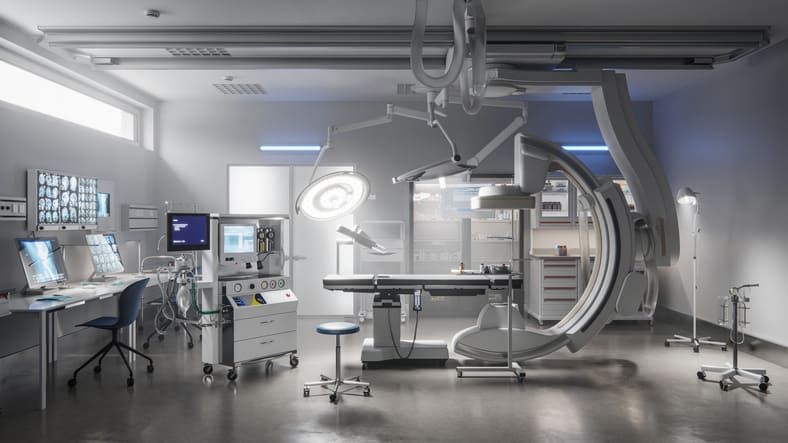
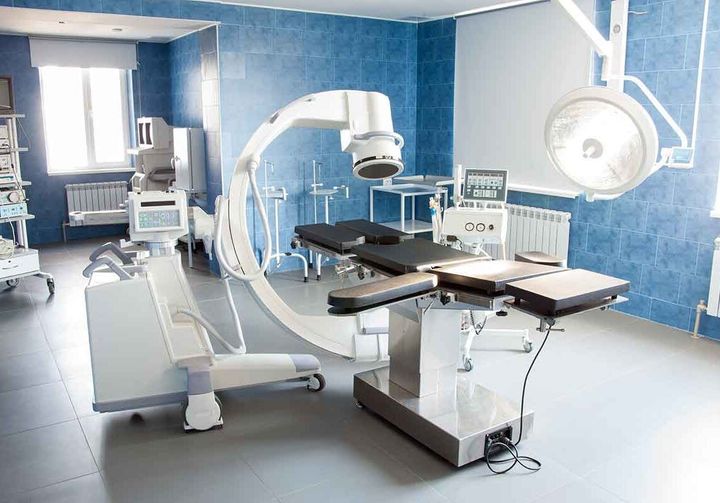
Today, Precision Medical Machining supports the production of surgical instruments, orthopedic implants, dental components, diagnostic equipment, robotic surgery systems, and various healthcare technologies. The ability to manufacture parts with exceptional accuracy helps ensure compatibility, performance, and consistency in medical devices.
How Precision Medical Machining Works
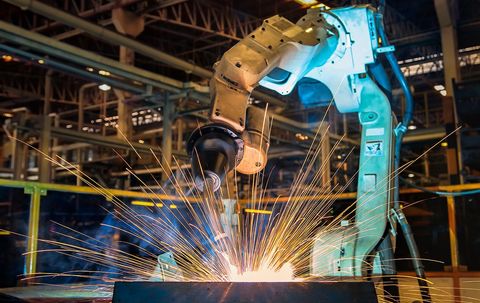
Precision Medical Machining typically uses computer-controlled equipment to remove material from a workpiece and create a finished component. These machines follow detailed digital instructions that guide cutting tools with a high degree of accuracy.
Common machining methods include:
- CNC milling
- CNC turning
- Swiss machining
- Grinding
- Electrical discharge machining (EDM)
- Laser machining
Each method is selected based on the material, geometry, and performance requirements of the component.
Common Materials Used
Medical device manufacturers use a variety of materials depending on the intended application.
| Material | Key Characteristics | Common Applications |
|---|---|---|
| Titanium | Strong and corrosion resistant | Orthopedic implants |
| Stainless Steel | Durable and hygienic | Surgical instruments |
| Cobalt-Chromium Alloys | Wear resistant | Joint replacements |
| Medical Plastics | Lightweight and versatile | Diagnostic components |
| PEEK Polymer | Biocompatible and durable | Implantable devices |
These materials are selected for their ability to meet medical and engineering requirements.
Importance
Precision Medical Machining plays a significant role in modern healthcare manufacturing. Many medical technologies depend on accurately manufactured components to function correctly and safely.
Supporting Patient Care
Medical devices often interact directly with patients. Components used in implants, surgical tools, and diagnostic equipment must meet strict dimensional requirements to perform as intended.
Accurate manufacturing contributes to the reliability of these devices and supports healthcare professionals during treatment and diagnosis.
Enabling Advanced Medical Technology
Healthcare technologies continue to become more sophisticated. Robotic surgical systems, imaging equipment, and minimally invasive instruments require precisely engineered parts.
Precision Medical Machining makes it possible to manufacture intricate components that support these advanced technologies.
Producing Miniature Components
Many medical devices contain very small parts that must operate within limited spaces. Examples include catheter components, surgical instruments, and implantable devices.
Precision machining allows manufacturers to create miniature components while maintaining dimensional accuracy and structural integrity.
Maintaining Consistency
Medical manufacturing requires consistency across production batches. Components must meet established specifications to ensure compatibility and performance.
Precision Medical Machining helps manufacturers achieve repeatable results through automated and controlled production processes.
Supporting Research and Innovation
Researchers and engineers developing new medical technologies often require custom prototypes and specialized components.
Precision machining supports innovation by enabling the production of experimental designs and advanced device concepts.
Recent Updates
Precision Medical Machining continues to evolve through advancements in automation, digital technology, and manufacturing processes.
Greater Use of Multi-Axis Machining
Modern facilities increasingly use multi-axis CNC machines capable of producing complex geometries with fewer setups.
These systems improve manufacturing efficiency and allow more intricate medical components to be produced with high accuracy.
Integration of Automation
Automation has become more common throughout medical manufacturing environments. Automated material handling systems and robotic equipment help support consistent production processes.
Automation can also assist with inspection and quality verification activities.
Growth of Digital Manufacturing
Digital manufacturing technologies are transforming how medical components are designed and produced.
Current trends include:
- Digital twins
- Simulation software
- Automated workflow management
- Real-time production monitoring
- Data-driven quality analysis
These technologies support process optimization and manufacturing visibility.
Expansion of Micro-Machining Applications
Healthcare technologies continue to become smaller and more sophisticated. As a result, micro-machining techniques are receiving increased attention.
Micro-machining enables the production of extremely small features used in diagnostic instruments, minimally invasive tools, and implantable devices.
Increased Focus on Traceability
Manufacturers are strengthening traceability systems throughout production processes.
Enhanced tracking capabilities help document:
- Material origins
- Manufacturing procedures
- Inspection records
- Production batches
- Quality control activities
These practices support regulatory compliance and product accountability.
Laws or Policies
Precision Medical Machining operates within a highly regulated environment because many components are used in healthcare settings.
Medical Device Regulations
Many countries have regulatory frameworks governing medical devices and related manufacturing activities.
Examples include requirements established by:
- United States Food and Drug Administration (FDA)
- European Union Medical Device Regulation (MDR)
- Health Canada
- Therapeutic Goods Administration (TGA)
- Other national regulatory authorities
These frameworks establish standards related to safety, quality, and manufacturing controls.
Quality Management Requirements
Medical device manufacturers often operate under quality management systems designed to ensure consistent production practices.
ISO 13485 is one of the most recognized standards in medical manufacturing. It provides guidelines for quality management throughout product development and production.
Material Compliance Standards
Materials used in medical devices may be subject to biocompatibility and safety evaluations.
Testing may examine factors such as:
- Material composition
- Biological compatibility
- Chemical stability
- Mechanical performance
These assessments help verify suitability for intended medical applications.
Documentation and Traceability
Regulatory authorities often require extensive documentation related to manufacturing activities.
Common documentation includes:
- Production records
- Inspection reports
- Material certifications
- Equipment validation records
- Process verification data
These records support transparency and quality oversight.
Tools and Resources
A variety of tools and resources support Precision Medical Machining throughout the design, production, and inspection process.
Computer-Aided Design Software
Design software enables engineers to create detailed digital models of medical components before manufacturing begins.
Examples include:
- SolidWorks
- Autodesk Fusion
- CATIA
- Siemens NX
These tools support design accuracy and collaboration.
Computer-Aided Manufacturing Software
Manufacturing software converts digital designs into machine instructions.
Common functions include:
- Toolpath generation
- Process simulation
- Production planning
- Machine optimization
These capabilities help improve machining efficiency and accuracy.
Coordinate Measuring Machines
Coordinate Measuring Machines (CMMs) are widely used for dimensional inspection.
They help verify that finished components match design specifications and quality requirements.
Surface Analysis Equipment
Medical components often require specific surface finishes.
Inspection technologies may include:
- Surface roughness testers
- Optical measurement systems
- Laser scanning equipment
- Digital microscopes
These tools assist with quality evaluation.
Industry Resources
Several organizations publish standards, technical guidance, and educational resources related to medical manufacturing.
Examples include:
- ISO
- ASTM International
- Association for Advancing Medical Instrumentation (AAMI)
- National healthcare regulatory agencies
These resources help manufacturers stay informed about evolving requirements and practices.
FAQs
What is Precision Medical Machining?
Precision Medical Machining is the process of manufacturing highly accurate components used in medical devices, surgical instruments, implants, and diagnostic equipment. The process relies on advanced machining technologies to achieve strict dimensional tolerances.
Why is Precision Medical Machining important?
Precision Medical Machining supports the production of components that must perform reliably in healthcare applications. Accurate manufacturing helps ensure compatibility, consistency, and functionality in medical devices.
What materials are commonly used in Precision Medical Machining?
Common materials include titanium, stainless steel, cobalt-chromium alloys, medical-grade plastics, and specialized polymers such as PEEK. Material selection depends on the device's intended application.
How does Precision Medical Machining support medical device development?
Precision machining enables engineers to create prototypes and production components for new medical technologies. This capability supports innovation and the development of advanced healthcare equipment.
What industries use Precision Medical Machining besides healthcare?
Although healthcare is the primary application, similar precision machining techniques are also used in aerospace, electronics, defense, automotive engineering, and scientific research equipment manufacturing.
Conclusion
Precision Medical Machining is an essential manufacturing discipline that supports the production of modern medical devices, implants, diagnostic systems, and surgical instruments. Through advanced machining technologies, manufacturers can create highly accurate components that meet strict healthcare requirements. Recent developments in automation, digital manufacturing, and micro-machining continue to expand the capabilities of this field. As medical technologies become increasingly sophisticated, precision machining remains an important part of healthcare innovation and advanced engineering.