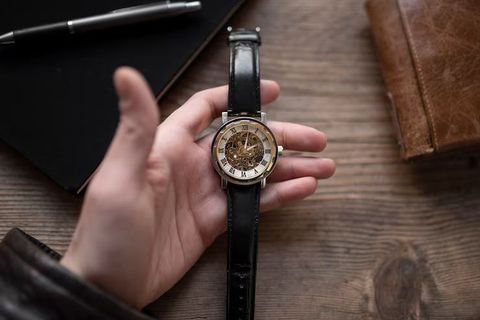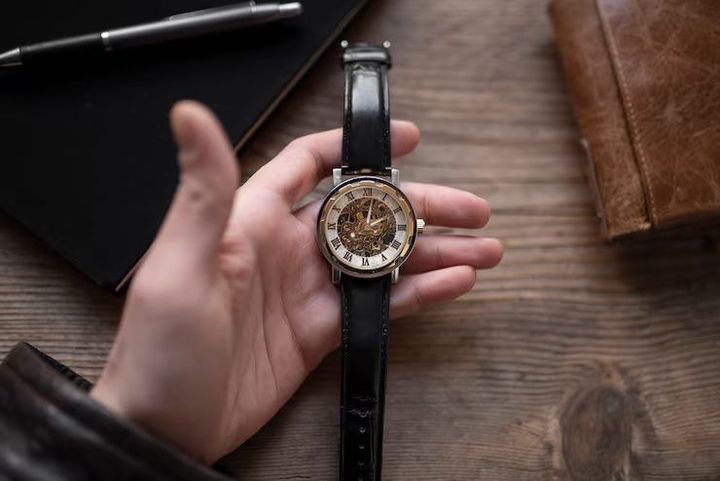
Professional Watches Complete Guide to Craftsmanship Features and Everyday Functionality
Professional Watches are timepieces designed to provide reliable timekeeping while supporting specific activities, working environments, or daily routines. Unlike basic watches that primarily display time, professional models often include specialized functions such as water resistance, chronographs, navigation tools, durability features, and enhanced readability.
The history of Professional Watches dates back to the early development of portable timekeeping devices. As industries, transportation systems, aviation, diving, and scientific fields evolved, professionals required accurate and dependable instruments that could perform under demanding conditions. Watchmakers responded by creating specialized designs suited for particular tasks and environments.
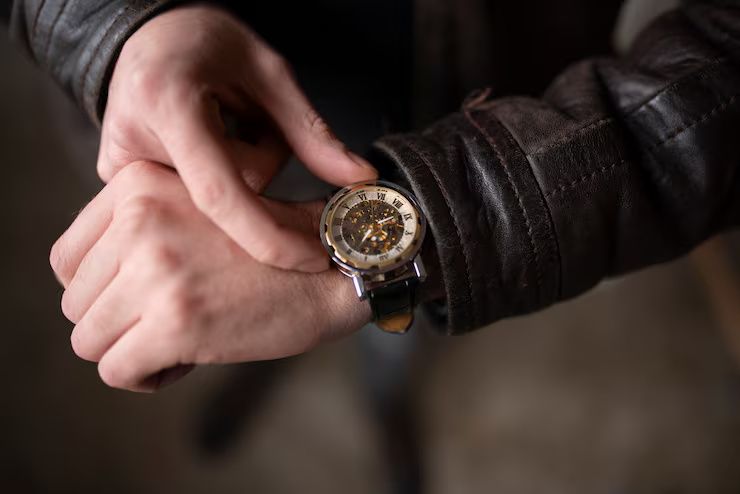
Today, Professional Watches are used by a wide range of individuals, including pilots, divers, outdoor enthusiasts, engineers, healthcare workers, and office professionals. Modern designs combine traditional craftsmanship with advanced materials and digital technologies, creating timepieces that serve both functional and personal preferences.
What Defines Professional Watches?
Professional Watches are generally characterized by durability, precision, and practical features. They are designed to operate consistently in environments where reliability is important.
Common characteristics include:
- Durable construction
- Water resistance
- Scratch-resistant materials
- Easy-to-read displays
- Accurate timekeeping
- Specialized functionality
Different watch categories emphasize different capabilities depending on their intended use.
Common Types of Professional Watches
| Watch Type | Primary Purpose | Typical Features |
|---|---|---|
| Dive Watches | Underwater activities | Water resistance, rotating bezel |
| Pilot Watches | Aviation use | Large dials, navigation functions |
| Field Watches | Outdoor environments | Durable cases, high visibility |
| Chronograph Watches | Time measurement | Stopwatch functionality |
| Smart Professional Watches | Digital connectivity | Health tracking, notifications |
| Dress Professional Watches | Formal settings | Refined design and timekeeping |
These categories demonstrate the wide variety of applications supported by modern watch designs.
Importance
Professional Watches continue to play an important role despite the widespread use of smartphones and digital devices. Their value extends beyond simple timekeeping.
Supporting Time Management
One of the primary purposes of Professional Watches is helping users manage time efficiently. Quick access to accurate time information can improve organization during daily activities, meetings, travel, and specialized tasks.
A wristwatch provides immediate visibility without requiring access to a phone or other electronic device.
Enhancing Reliability in Challenging Environments
Many work environments involve conditions where mobile devices may not be practical. Construction sites, industrial facilities, healthcare settings, outdoor expeditions, and marine environments often require durable equipment.
Professional Watches are designed to continue functioning under a variety of environmental conditions.
Assisting Specialized Activities
Certain watch features are tailored to specific professional and recreational needs.
Examples include:
- Dive timing functions for underwater use
- Multiple time zones for international travel
- Chronographs for elapsed time measurement
- Compass features for navigation
- GPS integration for outdoor activities
These functions provide practical assistance during various activities.
Preserving Traditional Craftsmanship
Mechanical and automatic Professional Watches showcase traditional watchmaking techniques that have evolved over generations.
Many enthusiasts appreciate the engineering, precision manufacturing, and craftsmanship involved in producing high-quality timepieces.
Supporting Personal Style
In addition to functionality, watches often serve as personal accessories. Different designs allow individuals to select timepieces that align with workplace requirements, formal occasions, or casual settings.
The combination of utility and design contributes to the continued popularity of Professional Watches.
Recent Updates
The Professional Watches industry has experienced several developments between 2024 and 2026, driven by technology, sustainability initiatives, and evolving consumer preferences.
Growth of Hybrid Technology
Hybrid watches combine traditional analog displays with digital functionality. These models maintain the appearance of conventional watches while incorporating modern features.
Common additions include:
- Activity tracking
- Smartphone connectivity
- Notifications
- Health monitoring
Hybrid designs appeal to users seeking both classic aesthetics and digital capabilities.
Expanded Health Monitoring Features
Many advanced watches now include sensors designed to monitor various wellness indicators.
Examples include:
- Heart rate monitoring
- Sleep tracking
- Activity measurement
- Stress indicators
- Fitness metrics
These features have become increasingly common in smart and connected watch categories.
Increased Use of Sustainable Materials
Manufacturers are exploring materials that support environmental sustainability goals.
Current trends include:
- Recycled metals
- Recycled plastics
- Sustainable packaging
- Energy-efficient manufacturing processes
These efforts reflect broader changes occurring across consumer product industries.
Improvements in Battery Performance
Battery technology continues to evolve, particularly in digital and connected watches.
Recent developments focus on:
- Longer operating times
- Improved charging systems
- Enhanced power management
- Energy-efficient displays
These improvements help reduce charging frequency and support convenience.
Greater Customization Options
Many modern Professional Watches allow users to personalize appearance and functionality.
Examples include interchangeable straps, customizable watch faces, and configurable display settings.
Laws or Policies
Professional Watches are influenced by various regulations, standards, and consumer protection policies depending on the country and product category.
Product Safety Regulations
Manufacturers must generally comply with product safety requirements governing materials and manufacturing practices.
These regulations help ensure that products are suitable for consumer use and meet applicable safety standards.
Material Compliance Requirements
Certain countries regulate substances used in consumer products.
Manufacturers may need to comply with standards related to:
- Metal composition
- Chemical content
- Environmental safety
- Material disclosure
These requirements help protect consumers and support product transparency.
Water Resistance Standards
Many Professional Watches include water resistance ratings that follow recognized testing procedures.
Water resistance classifications help consumers understand intended usage conditions.
Common examples include:
| Water Resistance Rating | Typical Usage |
|---|---|
| 30 meters | Everyday splash exposure |
| 50 meters | Light water activities |
| 100 meters | Swimming activities |
| 200 meters and above | More demanding aquatic environments |
Actual performance depends on design, maintenance, and testing standards.
Consumer Protection Policies
Consumer protection regulations may govern product labeling, warranty disclosures, and marketing claims.
These policies help ensure that information provided to consumers remains accurate and understandable.
International Standards
Watch manufacturing may reference internationally recognized standards related to accuracy, durability, environmental testing, and water resistance.
Such standards support consistency across global markets.
Tools and Resources
Several tools and resources can help individuals learn more about Professional Watches and their features.
Watch Specification Databases
Online watch databases provide information about technical specifications, dimensions, materials, and movement types.
These resources help users compare different models and understand available features.
Timekeeping Accuracy Applications
Some applications allow users to track watch accuracy over time.
These tools can assist enthusiasts interested in monitoring mechanical or quartz performance.
Watch Maintenance Guides
Educational resources often explain basic maintenance practices such as:
- Cleaning procedures
- Strap care
- Water resistance checks
- Storage recommendations
Proper maintenance can help preserve functionality and appearance.
Manufacturer Information Portals
Many manufacturers publish detailed information about:
- Materials
- Movements
- Technical specifications
- User manuals
These resources help users understand watch functions and operation.
Horology Organizations and Publications
Industry publications and horology organizations provide educational information about watchmaking, engineering, and historical developments.
These resources can be valuable for individuals interested in learning more about Professional Watches.
FAQs
What are Professional Watches?
Professional Watches are timepieces designed to provide reliable timekeeping and specialized functionality for various activities, professions, and environments. They often include durability and performance-focused features.
Why are Professional Watches still relevant today?
Professional Watches remain useful because they provide convenient access to time and specialized functions without relying entirely on smartphones or other electronic devices.
What features are commonly found in Professional Watches?
Common features include water resistance, chronographs, durable materials, illuminated displays, multiple time zones, and activity tracking capabilities depending on the watch type.
Are Professional Watches suitable for everyday use?
Yes. Many Professional Watches are designed for daily wear and combine practical functionality with versatile styling suitable for different environments.
How do Professional Watches differ from standard watches?
Professional Watches typically include enhanced durability, specialized functions, and engineering features intended for specific activities such as diving, aviation, outdoor exploration, or advanced time measurement.
Conclusion
Professional Watches combine accurate timekeeping, specialized functionality, and durable construction to support a wide range of activities and environments. From traditional mechanical designs to advanced connected technologies, these timepieces continue to evolve alongside changing user needs. Recent developments in materials, health monitoring, and digital integration have expanded their capabilities while preserving their practical purpose. As both functional tools and personal accessories, Professional Watches remain an important part of modern daily life.