Simplify Everyday Communication with Smart AI Chatbot Insights
Communication has become a major part of daily life. People interact with businesses, educational institutions, healthcare providers, financial organizations, and online platforms through websites, mobile applications, and messaging channels.
As communication demands continue growing, many organizations are exploring technologies that help manage conversations more efficiently while maintaining accessibility and convenience.
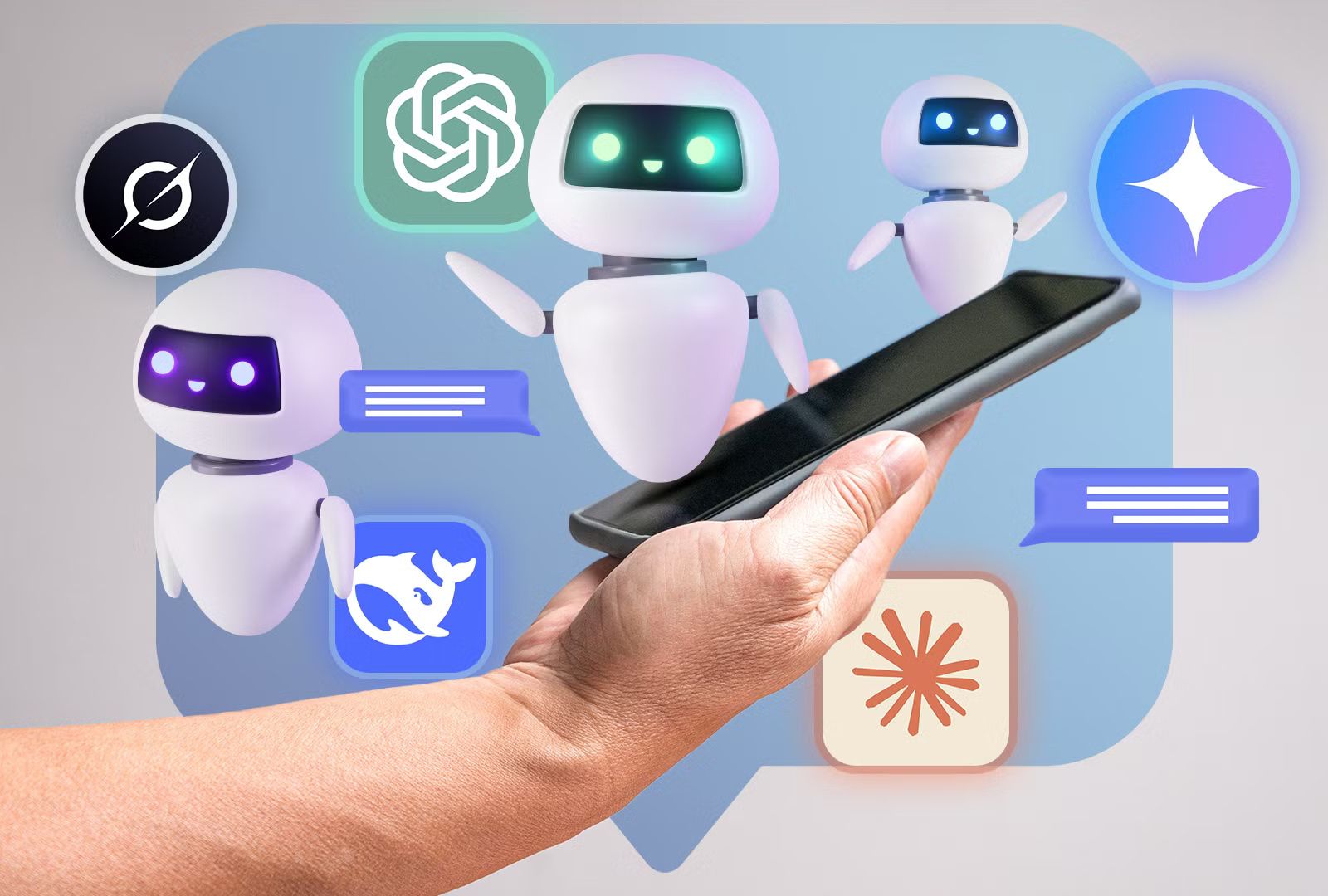
One technology that has become increasingly common is the AI Chatbot. These intelligent digital assistants are designed to interact with users through text or voice conversations, helping answer questions, provide information, guide users through processes, and support communication across various industries.
While AI Chatbots were once limited to basic automated replies, advances in artificial intelligence have expanded their capabilities significantly. Today, they can understand natural language, recognize user intent, and generate more meaningful responses.
This guide explores how AI Chatbots work, their practical applications, benefits, challenges, and important insights that can help simplify everyday communication.
Understanding AI Chatbots
An AI Chatbot is a software application that uses artificial intelligence technologies to communicate with users through conversational interactions.
Unlike traditional automated systems that rely only on predefined responses, AI Chatbots can interpret questions, analyze context, and generate replies that align with the user's intent.
These systems often use technologies such as:
Artificial intelligence
Machine learning
Natural language processing
Data analytics
Together, these technologies help chatbots understand language patterns and provide relevant responses.
AI Chatbots are commonly integrated into:
Websites
Mobile applications
Messaging platforms
Customer communication channels
Internal organizational systems
Their primary goal is to make information more accessible and communication more efficient.
Why Communication Efficiency Matters
People expect timely and accurate responses when seeking information.
Delays, confusion, or inconsistent communication can create frustration and negatively affect user experiences.
Efficient communication helps:
Improve accessibility
Reduce waiting times
Provide consistent information
Support user satisfaction
Simplify routine interactions
As communication volumes increase, AI Chatbots help organizations manage conversations more effectively.
How AI Chatbots Work
Although conversations may appear simple, several processes occur behind the scenes.
User Input
The chatbot receives a question or message from a user.
Language Processing
Natural language processing technology analyzes the message and identifies keywords, phrases, and intent.
Context Evaluation
The system evaluates the context of the interaction and determines the most appropriate response.
Response Generation
Based on available information, the chatbot creates a reply.
Continued Conversation
The chatbot processes additional messages as the conversation progresses.
These steps happen almost instantly, creating smooth and interactive communication experiences.
Different Types of AI Chatbots
Not all chatbots operate in the same way.
Rule-Based Chatbots
Rule-based systems follow predefined conversation paths.
They work well for structured and predictable interactions.
AI-Powered Chatbots
AI-powered chatbots use machine learning and natural language processing to understand more flexible user requests.
These systems can handle a wider variety of conversations.
Hybrid Chatbots
Hybrid models combine rule-based workflows with artificial intelligence capabilities.
This approach provides both structure and adaptability.
Many organizations prefer hybrid solutions because they balance automation with conversational flexibility.
Everyday Uses of AI Chatbots
AI Chatbots are now used in many areas of daily life.
Online Information Assistance
Websites often use chatbots to help visitors locate information quickly.
Appointment Scheduling
Many organizations use chatbots to help users arrange appointments and receive reminders.
Travel Assistance
Travel platforms frequently use chatbots to provide itinerary information and travel updates.
Educational Support
Educational institutions use chatbots to answer student questions and share important information.
Healthcare Communication
Healthcare organizations often use chatbots to assist with appointment-related inquiries and general guidance.
These applications demonstrate the versatility of chatbot technology.
Benefits of AI Chatbots
Several advantages contribute to the growing adoption of AI Chatbots.
Faster Responses
Chatbots can respond immediately to common questions, helping users access information quickly.
Consistent Information
Automated systems provide standardized responses based on available data.
Consistency helps reduce misunderstandings.
Continuous Availability
Chatbots can continue operating outside traditional business hours, improving accessibility.
Efficient Information Delivery
Users can obtain information without navigating multiple pages or communication channels.
Reduced Administrative Work
Routine inquiries can be handled automatically, allowing human teams to focus on more complex interactions.
These benefits help improve communication efficiency across many environments.
Creating Better Chatbot Conversations
Technology alone does not guarantee positive communication experiences.
Several practices can improve chatbot effectiveness.
Use Simple Language
Responses should be easy to understand and accessible to a broad audience.
Anticipate User Questions
Understanding common inquiries helps organizations prepare more useful chatbot interactions.
Maintain Logical Flow
Conversations should guide users through information in a clear and organized manner.
Provide Human Assistance Options
Some situations require human expertise.
Allowing users to connect with human representatives when necessary supports a balanced communication strategy.
Monitor Performance
Regular review of chatbot interactions helps identify opportunities for improvement.
Continuous optimization supports better user experiences.
Challenges and Limitations
Although AI Chatbots provide many advantages, they are not without limitations.
Complex Requests
Some inquiries require detailed knowledge or human judgment.
Language Ambiguity
Users may phrase questions in unexpected ways that create interpretation challenges.
Context Limitations
Certain conversations require deeper contextual understanding than current systems can provide.
Ongoing Updates
Chatbots require maintenance to ensure information remains accurate and relevant.
Understanding these limitations helps organizations use chatbot technology effectively.
Data Privacy Considerations
AI Chatbots often interact with personal information.
Organizations should prioritize:
Data protection
Access controls
Privacy transparency
Secure information handling
Responsible data management helps maintain user confidence and supports compliance efforts.
Privacy considerations should remain an important part of chatbot implementation.
AI Chatbots in Business and Organizations
Many organizations use chatbots to support communication activities.
Examples include:
Customer support
Internal communication
Appointment management
Information sharing
Feedback collection
These applications help streamline communication processes and improve information accessibility.
Rather than replacing human communication entirely, chatbots often complement existing communication channels.
Future Trends in AI Chatbots
Artificial intelligence technology continues advancing rapidly.
Several trends are shaping the future of chatbot development.
Improved Language Understanding
Future systems may better interpret conversational context and user intent.
Voice-Based Interactions
Voice-enabled chatbots are becoming increasingly common across digital platforms.
Personalization
Future chatbots may provide responses tailored to user preferences and interaction history.
Predictive Assistance
Advanced systems may anticipate user needs and provide proactive guidance.
Integration with Digital Platforms
Chatbots are increasingly connected with business systems, communication tools, and workflow platforms.
These developments may further enhance communication efficiency and accessibility.
AI Chatbots and Everyday Life
As digital communication continues expanding, AI Chatbots are becoming part of everyday experiences.
People encounter chatbots while:
Visiting websites
Using mobile applications
Scheduling appointments
Accessing information
Managing travel plans
Their growing presence reflects the demand for faster, more accessible communication tools.
When designed thoughtfully, chatbots can simplify interactions and help users find information more efficiently.
Conclusion
AI Chatbots have become valuable tools for improving communication across many industries and daily activities. Through artificial intelligence, machine learning, and natural language processing, these systems help users access information, navigate processes, and communicate more efficiently.
While AI Chatbots have limitations, they provide significant benefits in terms of accessibility, consistency, and communication efficiency. As technology continues evolving, chatbots are likely to play an even larger role in supporting everyday communication and enhancing digital experiences.