Teeth Whitening Complete Guide to Brighter Smiles and Oral Care Practices
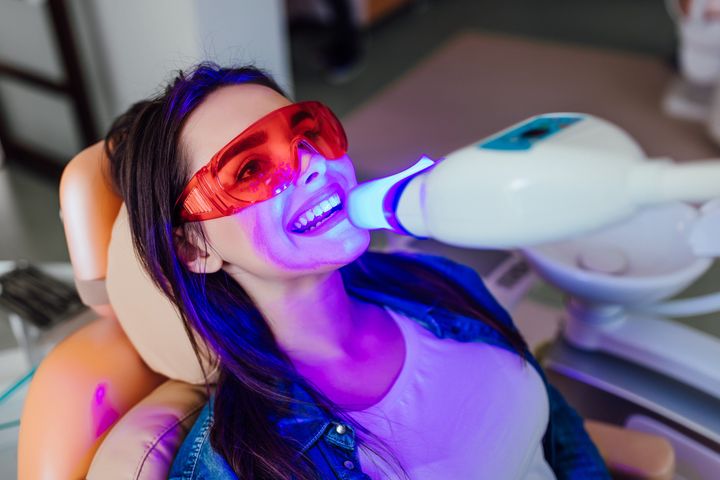
Teeth Whitening refers to a group of oral care methods designed to reduce the appearance of stains and discoloration on teeth.
Over time, teeth can change color due to aging, food and beverage consumption, tobacco use, certain medications, and other lifestyle factors. Many people seek ways to improve the appearance of their smiles, which has contributed to the growing interest in Teeth Whitening.
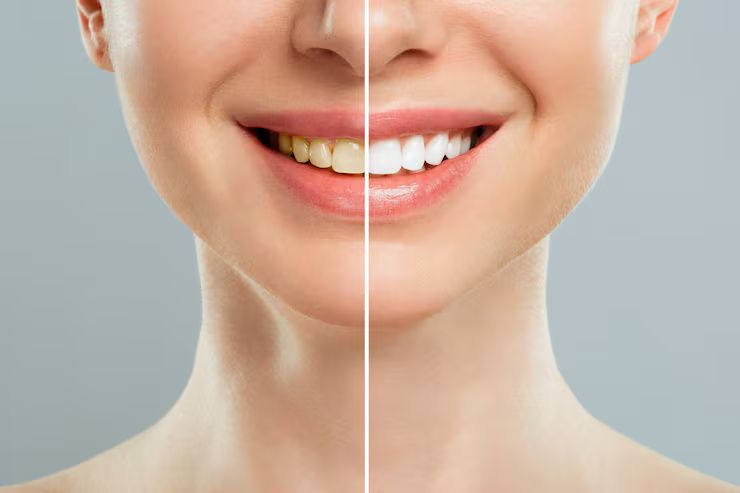
The concept of lightening tooth color has existed for many years. Early approaches relied on basic cleaning methods, while modern techniques involve specialized whitening agents and dental procedures. Advances in oral health research have improved understanding of how stains form and how different whitening methods work.
Teeth can become discolored for several reasons. Some stains occur on the outer surface of the tooth, while others develop deeper within the tooth structure. Because discoloration has different causes, whitening results may vary from person to person.
Understanding the basics of Teeth Whitening helps individuals make informed decisions about oral care and dental appearance. It also highlights the importance of maintaining healthy teeth and gums alongside cosmetic improvements.
Common Causes of Tooth Discoloration
Several factors may contribute to tooth staining:
- Coffee, tea, and dark-colored beverages
- Tobacco products
- Natural aging processes
- Certain medications
- Poor oral hygiene habits
- Excessive exposure to fluoride during tooth development
- Dental trauma affecting tooth color
Types of Tooth Stains
| Type of Stain | Description |
|---|---|
| Extrinsic Stains | Surface stains caused by food, beverages, or tobacco |
| Intrinsic Stains | Stains located inside the tooth structure |
| Age-Related Stains | Combination of surface and internal discoloration |
| Trauma-Related Stains | Color changes caused by injury to a tooth |
Understanding the source of discoloration is often an important step before considering whitening approaches.
Importance
Teeth Whitening is important because dental appearance can influence how people feel about their smiles. While whitening is generally considered a cosmetic procedure, it is often connected to broader oral care habits.
Supporting Personal Confidence
Many individuals associate a brighter smile with improved appearance. Concerns about tooth discoloration may affect social interactions, photographs, presentations, or public speaking situations.
Although confidence varies among individuals, some people feel more comfortable smiling after addressing visible stains.
Encouraging Oral Hygiene Awareness
Interest in Teeth Whitening often leads people to pay closer attention to oral hygiene practices.
Examples include:
- Brushing regularly
- Flossing consistently
- Scheduling dental examinations
- Monitoring dietary habits
These behaviors contribute to overall oral health.
Addressing Lifestyle-Related Stains
Modern lifestyles frequently involve foods and beverages that can stain teeth. Coffee, tea, soft drinks, and certain sauces are common examples.
Whitening methods help address cosmetic concerns associated with these stains while encouraging better awareness of stain-causing habits.
Understanding Dental Health Differences
Not all discoloration indicates poor oral health. Some changes occur naturally due to aging or genetics.
Learning about Teeth Whitening helps people distinguish between cosmetic concerns and potential dental issues that may require professional evaluation.
Growing Public Interest
The availability of educational resources has increased public awareness regarding oral appearance and dental care. As a result, more individuals seek information about whitening options and their potential benefits and limitations.
Recent Updates
The field of Teeth Whitening has continued evolving through improvements in technology, dental materials, and patient education.
Improved Whitening Formulations
Researchers continue developing whitening products designed to reduce sensitivity while maintaining effectiveness.
Recent developments focus on:
- Balanced whitening agents
- Enamel-friendly formulations
- Sensitivity management ingredients
- Improved application methods
These innovations aim to improve user comfort.
Digital Smile Assessment Tools
Dental practices increasingly use digital imaging technologies to evaluate tooth color and treatment planning.
Digital tools may assist with:
- Shade comparisons
- Progress monitoring
- Treatment visualization
- Patient education
These technologies support informed discussions about expected outcomes.
Greater Focus on Oral Health Education
Current trends emphasize education alongside cosmetic improvements.
Dental professionals often discuss:
- Causes of discoloration
- Preventive oral care
- Dietary influences
- Long-term maintenance practices
This broader approach encourages healthier dental habits.
Increased Interest in Preventive Care
Many individuals are focusing on preventing stains before they become significant.
Common preventive strategies include:
- Regular brushing
- Professional dental cleaning
- Limiting stain-causing foods and drinks
- Using drinking straws for certain beverages
Prevention continues to play an important role in maintaining tooth appearance.
Personalized Dental Approaches
Modern dentistry increasingly recognizes that whitening outcomes vary based on individual circumstances. Factors such as enamel thickness, stain type, and oral health condition can influence results.
This personalized approach helps set realistic expectations.
Laws or Policies
Teeth Whitening products and procedures are influenced by health regulations and consumer protection rules in many countries.
Dental Product Regulation
Government agencies often regulate oral care products intended for public use.
Regulatory oversight may address:
- Ingredient safety
- Product labeling
- Manufacturing standards
- Consumer information requirements
These measures help promote public safety.
Professional Dental Standards
Dental professionals are generally required to follow established clinical standards and licensing regulations.
These standards may include:
- Patient assessment procedures
- Treatment documentation
- Infection control measures
- Professional conduct requirements
Such guidelines support patient protection.
Advertising and Consumer Protection Rules
Many jurisdictions regulate health-related marketing claims.
Manufacturers and providers may be required to avoid:
- Misleading statements
- Unsupported claims
- False representations
- Inaccurate treatment descriptions
Consumer protection rules help improve transparency.
Medical Device Regulations
Some whitening-related equipment used in dental settings may be subject to medical device regulations.
These requirements can involve:
- Product testing
- Safety reviews
- Quality control measures
- Regulatory approvals
Public Health Guidance
Health authorities frequently publish educational information regarding oral hygiene, preventive dental care, and safe product use.
These resources help consumers make informed decisions about dental health.
Tools and Resources
A variety of educational resources can help individuals understand Teeth Whitening and oral care practices.
Dental Association Websites
National and regional dental organizations often publish information regarding:
- Oral hygiene practices
- Tooth discoloration causes
- Preventive care recommendations
- General dental education
These resources are commonly used for public awareness.
Oral Health Tracking Applications
Mobile applications can help users monitor dental habits.
Features may include:
- Brushing reminders
- Flossing schedules
- Dental appointment tracking
- Oral care records
These tools encourage consistent routines.
Shade Reference Guides
Dental professionals often use tooth shade charts to evaluate tooth color.
These guides assist with:
- Color assessment
- Treatment planning
- Progress monitoring
They provide a standardized reference for discussing tooth appearance.
Educational Dental Portals
Many dental education websites explain:
- Tooth anatomy
- Stain formation
- Whitening methods
- Preventive oral care
Such resources help individuals understand dental concepts in simple language.
Oral Health Checklists
Printable or digital checklists may help individuals track:
- Daily brushing habits
- Flossing routines
- Dental examinations
- Dietary patterns affecting teeth
These tools support long-term oral health management.
FAQs
What is Teeth Whitening?
Teeth Whitening refers to methods used to reduce the appearance of stains and discoloration on teeth. The goal is typically to improve tooth brightness while maintaining oral health.
Is Teeth Whitening suitable for all types of stains?
Not necessarily. Different stains respond differently to whitening methods. Surface stains may react differently than discoloration located inside the tooth structure.
How long do Teeth Whitening results typically last?
Results vary depending on oral hygiene habits, dietary choices, tobacco use, and individual dental characteristics. Maintenance practices often influence how long changes remain visible.
Can Teeth Whitening affect tooth sensitivity?
Some individuals may experience temporary sensitivity during or after whitening procedures. The degree of sensitivity varies from person to person and may depend on the whitening method used.
How can I maintain Teeth Whitening results?
Good oral hygiene practices, regular dental examinations, and limiting exposure to stain-causing substances may help maintain tooth appearance over time.
Conclusion
Teeth Whitening is a widely recognized approach for addressing tooth discoloration and improving smile appearance. Understanding the causes of staining, available whitening methods, and preventive oral care practices can help individuals make informed decisions. Modern developments have improved educational resources, treatment planning tools, and whitening technologies. Alongside cosmetic considerations, maintaining healthy oral hygiene habits remains an important part of long-term dental care.