Genetic Bleeding Complete Guide to Causes Symptoms Diagnosis and Management
The body's ability to stop bleeding depends on a complex process involving blood vessels, platelets, and clotting factors. Genetic Bleeding disorders are inherited conditions that affect one or more parts of this process, making it more difficult for blood to clot normally.
While these disorders are often lifelong, advances in medical care, diagnostic testing, and treatment options have significantly improved long-term health outcomes and quality of life for many individuals.

Modern healthcare uses laboratory testing, genetic analysis, specialized bleeding disorder clinics, and digital health technologies to support accurate diagnosis and ongoing management. Understanding the causes, symptoms, available treatments, and preventive care strategies can help patients and families work effectively with healthcare professionals.
This guide explains Genetic Bleeding disorders, common causes, symptoms, diagnosis, treatment approaches, and current developments in bleeding disorder care.
Medical Disclaimer: This article is intended for general educational purposes only and should not replace professional medical advice, diagnosis, or treatment. Anyone experiencing unusual bleeding or symptoms of a bleeding disorder should seek evaluation from a qualified healthcare professional.
What Is Genetic Bleeding?
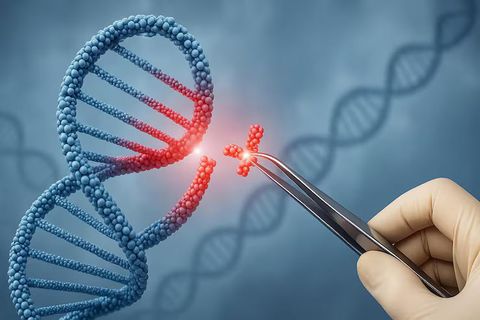
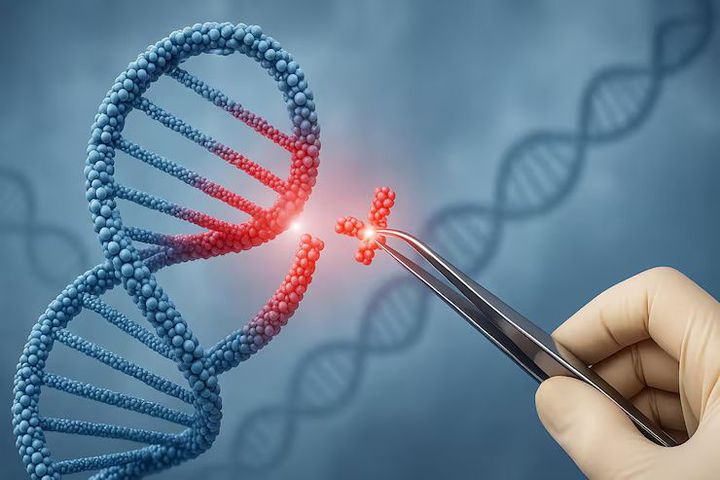
Genetic Bleeding refers to inherited disorders that affect the body's normal blood-clotting process. These conditions are caused by changes in genes that influence clotting factors, platelets, or other components involved in stopping bleeding.
Some inherited bleeding disorders are present at birth, while symptoms may not become noticeable until later in childhood or adulthood, depending on the specific condition and its severity.
Why Early Diagnosis Matters
Identifying an inherited bleeding disorder early can support timely medical care and reduce the risk of complications.
Potential benefits of early diagnosis include:
Improved bleeding prevention
Better treatment planning
Safer medical and dental procedures
Reduced risk of joint damage in some conditions
Access to specialized healthcare
Personalized long-term management
Family counseling when appropriate
Improved quality of life
Regular medical follow-up helps monitor the condition over time.
Common Causes
Inherited bleeding disorders result from genetic changes that affect normal clot formation.
Examples include:
Hemophilia A
Hemophilia B
Von Willebrand disease
Rare clotting factor deficiencies
Certain inherited platelet function disorders
Each condition has unique genetic characteristics and treatment considerations.
Common Symptoms
Symptoms vary depending on the specific disorder and its severity.
Possible signs include:
Frequent nosebleeds
Easy bruising
Prolonged bleeding after cuts
Excessive bleeding after surgery or dental procedures
Heavy menstrual bleeding
Bleeding into joints or muscles
Blood in urine or stool
Prolonged bleeding after childbirth in some individuals
These symptoms may also occur with other medical conditions, making professional evaluation essential.
How Genetic Bleeding Disorders Are Diagnosed
Diagnosis typically involves several clinical and laboratory evaluations.
Medical and Family History
Healthcare professionals review symptoms and any family history of bleeding disorders.
Physical Examination
A clinical assessment helps identify signs of abnormal bleeding or bruising.
Blood Tests
Laboratory testing evaluates clotting factor activity, platelet function, and other aspects of blood clotting.
Genetic Testing
Genetic analysis may identify inherited gene changes associated with specific bleeding disorders.
Specialized Coagulation Studies
Additional testing may be recommended to confirm a diagnosis and guide treatment planning.
Treatment and Management
Treatment depends on the specific disorder, symptom severity, and individual medical needs.
Management options may include:
Clotting Factor Replacement
Used for certain inherited clotting factor deficiencies.
Medications
Some medicines help improve blood clotting or reduce bleeding episodes in appropriate situations.
Preventive Therapy
Regular preventive treatment may be recommended for individuals with severe bleeding disorders.
Emergency Bleeding Management
Prompt medical treatment is important for significant bleeding episodes or injuries.
Regular Medical Monitoring
Routine follow-up appointments help assess treatment effectiveness and overall health.
Treatment plans should always be individualized by qualified healthcare professionals.
Everyday Management Tips
Living with a genetic bleeding disorder often involves ongoing self-care.
Helpful practices include:
Follow prescribed treatment plans.
Attend regular healthcare appointments.
Inform healthcare providers before procedures.
Wear medical identification if recommended.
Protect against unnecessary injuries.
Maintain good dental hygiene.
Learn to recognize signs of serious bleeding.
Keep emergency contact information readily available.
Education and preparation support effective long-term management.
Genetic Bleeding Overview
| Care Area | Primary Purpose |
|---|---|
| Medical Evaluation | Identify the underlying disorder |
| Blood Testing | Assess clotting function |
| Genetic Testing | Confirm inherited conditions |
| Treatment Planning | Manage bleeding episodes |
| Preventive Care | Reduce bleeding risk |
| Ongoing Monitoring | Support long-term health |
Current Developments in Bleeding Disorder Care
Medical research continues to improve the understanding and treatment of inherited bleeding disorders.
Recent developments include:
Artificial intelligence-assisted diagnostic support
Expanded genetic testing
Personalized treatment strategies
Gene therapy research
Telemedicine follow-up care
Extended-acting treatment options
Digital patient monitoring
Ongoing clinical trials evaluating new therapies
These innovations aim to improve disease management and patient outcomes.
Looking Ahead
The future of Genetic Bleeding care is expected to include continued advances in gene therapy research, precision medicine, digital health monitoring, and personalized treatment approaches. Ongoing scientific progress may improve diagnosis, reduce bleeding complications, and enhance quality of life for people living with inherited bleeding disorders.
Why Understanding Genetic Bleeding Matters
Understanding Genetic Bleeding helps patients, families, and caregivers recognize symptoms, seek timely medical evaluation, and participate actively in long-term care planning. Awareness of treatment options and preventive strategies supports safer daily living and improved health outcomes.
Conclusion
Genetic Bleeding disorders require lifelong awareness, appropriate medical care, and individualized treatment planning. Early diagnosis, regular monitoring, preventive strategies, and advances in modern medicine have greatly improved the outlook for many individuals with inherited bleeding disorders. By working closely with healthcare professionals and staying informed about available therapies, patients and families can better manage these conditions and support long-term well-being.