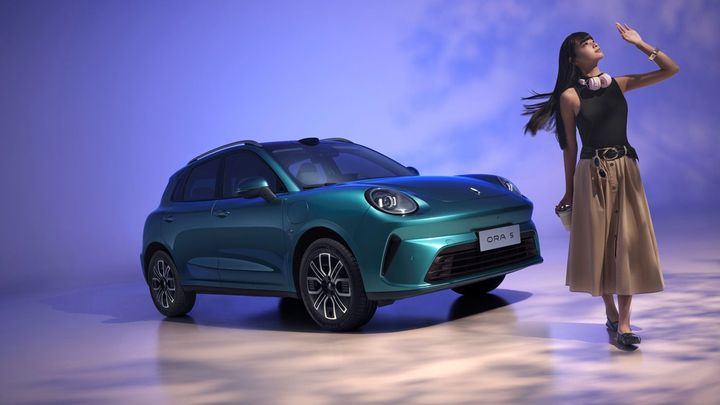
The New ORA 5 Electric Car Complete Guide to Design Technology and Electric Mobility
The ORA 5 Electric Car is part of a growing movement toward electric mobility in the global automotive industry. Electric vehicles are designed to use electricity stored in rechargeable batteries instead of relying entirely on traditional fuel-powered engines. As transportation technology evolves, more manufacturers are introducing electric models that focus on efficiency, connectivity, and modern driving experiences.
The ORA 5 Electric Car belongs to a category of vehicles that combines compact dimensions with advanced digital features. It is designed to meet the needs of urban drivers, commuters, and families looking for practical transportation supported by modern technology.
The rise of electric vehicles has been influenced by several factors, including environmental concerns, advances in battery technology, and increasing interest in sustainable transportation. These developments have encouraged manufacturers to create vehicles that reduce emissions while maintaining comfort and usability.
Electric vehicles differ from conventional automobiles in several ways. Instead of using a combustion engine as the primary source of power, they rely on electric motors powered by battery packs. This approach changes how energy is stored, delivered, and used during everyday driving.
Understanding Electric Mobility
Electric mobility refers to transportation systems powered by electricity. This includes passenger vehicles, buses, motorcycles, and other forms of transportation that use electric motors.
Key characteristics of electric mobility include:
- Battery-powered operation
- Reduced tailpipe emissions
- Regenerative braking systems
- Digital energy monitoring
- Charging infrastructure support
These features contribute to the growing popularity of electric transportation worldwide.
Key Characteristics of the ORA 5 Electric Car
| Feature Category | Description |
|---|---|
| Vehicle Type | Electric passenger vehicle |
| Power Source | Rechargeable battery system |
| Drive Technology | Electric motor |
| Connectivity | Digital infotainment systems |
| Safety Features | Driver assistance technologies |
| Primary Use | Urban and everyday transportation |
The combination of these elements helps define the role of the ORA 5 Electric Car within the electric vehicle market.
Importance
Supporting Sustainable Transportation
One reason the ORA 5 Electric Car is significant is its connection to sustainable transportation initiatives. Electric vehicles are often viewed as part of broader efforts to reduce emissions from road transportation.
Many governments and organizations encourage the adoption of cleaner transportation technologies through infrastructure development and environmental programs.
Addressing Urban Mobility Challenges
Modern cities face transportation challenges that include traffic congestion, air quality concerns, and increasing travel demands. Electric vehicles provide an alternative transportation option that aligns with efforts to improve urban mobility.
Compact electric vehicles are particularly suited to city environments where maneuverability and efficiency are important considerations.
Encouraging Technological Innovation
The ORA 5 Electric Car reflects ongoing innovation within the automotive sector. Electric vehicles often incorporate advanced software systems, digital displays, connectivity platforms, and intelligent safety technologies.
These innovations continue to shape how drivers interact with their vehicles.
Enhancing Driver Awareness
Modern electric vehicles frequently provide detailed information regarding energy usage, battery levels, navigation, and vehicle status.
Common digital functions include:
- Energy consumption monitoring
- Route planning
- Battery status displays
- Smartphone integration
- Driving efficiency feedback
These tools help drivers better understand vehicle performance and energy management.
Expanding Consumer Choice
The availability of electric vehicles across different segments increases transportation options for consumers. Compact electric cars, family vehicles, and larger utility vehicles are becoming increasingly common.
The ORA 5 Electric Car contributes to this broader range of transportation choices.
Importance of Design and Technology
Exterior Design Philosophy
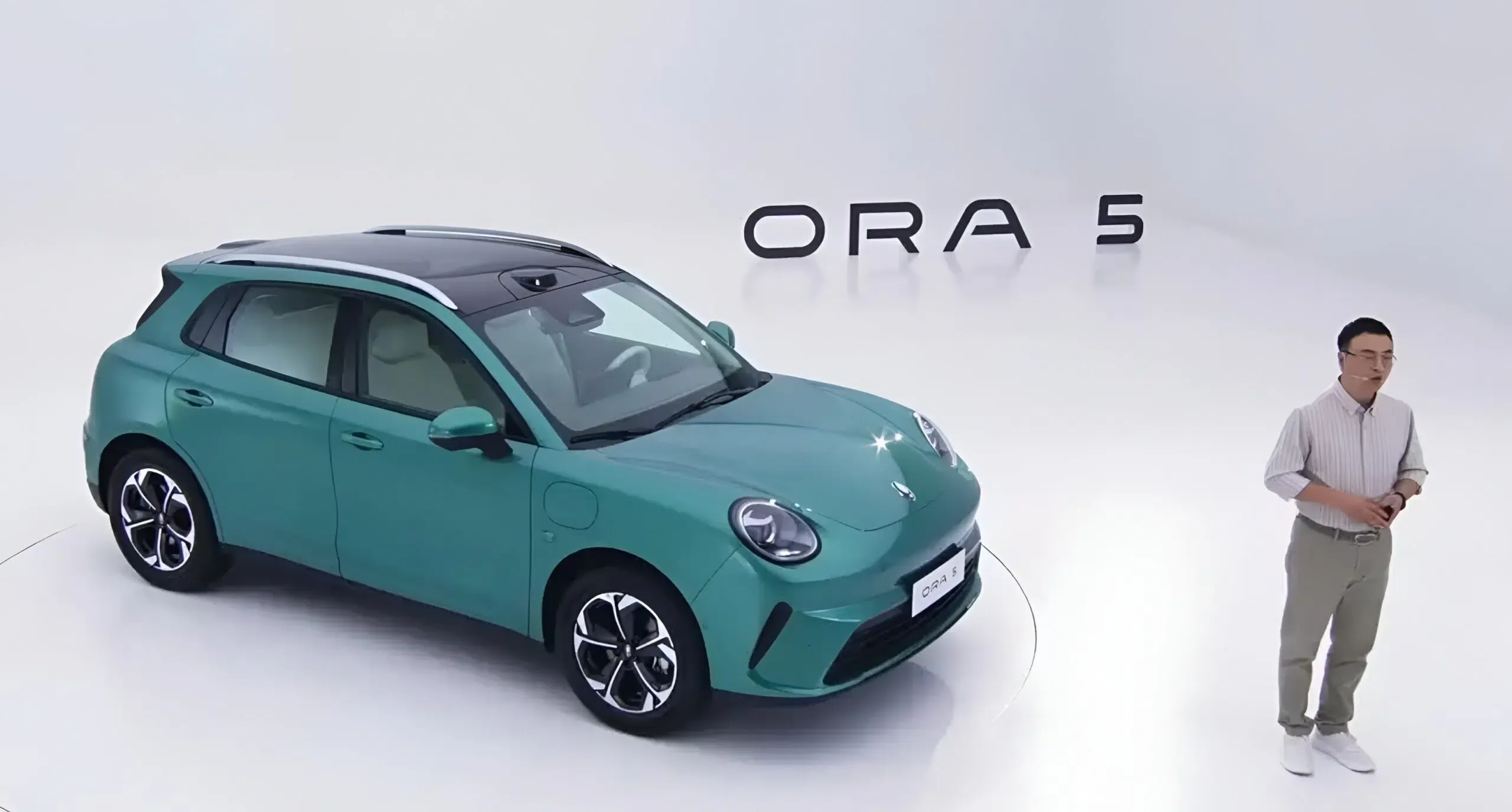
Modern electric vehicles often feature distinctive design approaches that emphasize efficiency and aerodynamics. Smooth surfaces, optimized airflow, and integrated lighting systems are common design characteristics.
The ORA 5 Electric Car reflects contemporary automotive styling trends while maintaining practical functionality.
Interior Comfort and Functionality
Vehicle interiors have become increasingly important as digital technology plays a larger role in the driving experience. Cabin layouts now focus on usability, visibility, and passenger comfort.
Important interior considerations include:
- Seating comfort
- Storage space
- Dashboard accessibility
- Passenger convenience
- Digital display integration
These elements contribute to everyday usability.
Battery and Powertrain Technology
Battery technology is one of the most important aspects of electric vehicles. Advances in battery chemistry and energy management systems have improved vehicle capability and efficiency.
The powertrain typically consists of:
- Battery pack
- Electric motor
- Power electronics
- Energy management software
- Charging components
Together, these systems enable vehicle operation without relying on a conventional combustion engine.
Digital Connectivity Features
Modern drivers often expect vehicles to support digital connectivity. The ORA 5 Electric Car may include technologies that help drivers access navigation, communication, and entertainment tools.
Examples of connectivity features include:
- Smartphone synchronization
- Wireless connectivity
- Voice control systems
- Navigation platforms
- Vehicle information displays
Digital integration has become a major focus within the automotive industry.
Driver Assistance Technologies
Safety technology continues to evolve rapidly. Driver assistance systems are designed to support awareness and improve driving convenience.
Examples include:
- Lane monitoring systems
- Parking assistance
- Traffic recognition
- Collision awareness technologies
- Adaptive driving support features
These technologies assist drivers while maintaining human control of the vehicle.
Recent Updates
Continued Growth of Electric Vehicle Adoption
Between 2024 and 2026, electric vehicle adoption continued expanding across many regions. Improvements in charging infrastructure and battery development have contributed to increased interest in electric transportation.
Manufacturers continue introducing new models to meet growing demand.
Improvements in Battery Technology
Battery research remains a major focus within the automotive industry. Current development efforts emphasize:
- Longer driving ranges
- Faster charging capabilities
- Improved durability
- Enhanced thermal management
- Greater energy efficiency
These advancements benefit electric vehicles across multiple categories.
Expansion of Charging Networks
Public and private charging infrastructure continues expanding in many countries. Greater availability of charging stations helps support electric vehicle ownership and long-distance travel.
Infrastructure development remains an important part of electric mobility growth.
Increased Software Integration
Vehicle software plays an increasingly important role in automotive functionality. Many modern vehicles now receive software enhancements that improve user experience and system performance.
Software-driven features continue becoming more common throughout the industry.
Focus on Sustainable Manufacturing
Automotive manufacturers are paying greater attention to sustainability throughout vehicle production processes.
Current initiatives often include:
- Responsible material sourcing
- Battery recycling programs
- Energy-efficient manufacturing
- Waste reduction efforts
- Environmental reporting practices
These developments align with broader sustainability objectives.
Laws or Policies
Vehicle Safety Regulations
The ORA 5 Electric Car must comply with safety standards established by transportation authorities in markets where it is available.
These standards commonly address:
- Crash protection
- Occupant safety
- Lighting requirements
- Braking performance
- Electronic safety systems
Compliance helps ensure vehicles meet established safety expectations.
Electric Vehicle Certification
Electric vehicles are subject to certification procedures that evaluate performance, battery systems, and operational safety.
Certification processes vary by country but generally involve technical assessments before market entry.
Environmental Regulations
Many governments have introduced environmental regulations aimed at reducing transportation-related emissions.
These policies encourage:
- Cleaner vehicle technologies
- Reduced emissions
- Energy efficiency improvements
- Sustainable transportation development
Electric vehicles are often influenced by these regulatory frameworks.
Battery Safety Requirements
Battery systems must comply with safety standards covering manufacturing, transportation, and operation.
Regulatory requirements may address:
- Thermal safety
- Electrical protection
- Recycling procedures
- Transportation guidelines
These measures support safe battery usage throughout the vehicle lifecycle.
Data Privacy Considerations
Connected vehicles process digital information through onboard systems and communication technologies. Data privacy regulations influence how manufacturers manage and protect user information.
As vehicle connectivity expands, privacy considerations remain increasingly important.
Tools and Resources
Manufacturer Information Platforms
Official manufacturer websites provide technical specifications, user guides, maintenance information, and feature explanations related to the ORA 5 Electric Car.
Charging Station Maps
Charging station locator platforms help drivers identify charging points during travel. These tools support route planning and charging management.
Transportation Authority Websites
Government transportation agencies publish information regarding vehicle registration, licensing requirements, safety standards, and electric mobility policies.
Navigation Applications
Navigation platforms assist drivers with route optimization, traffic information, and travel planning.
Many electric vehicles integrate navigation tools directly into onboard systems.
Automotive Research Publications
Industry publications and research organizations provide educational information regarding electric vehicles, battery technology, and transportation trends.
These resources help readers stay informed about developments within the automotive sector.
FAQs
What is the ORA 5 Electric Car?
The ORA 5 Electric Car is an electric passenger vehicle designed to provide transportation through a rechargeable battery system and electric motor technology.
How does the ORA 5 Electric Car differ from a traditional vehicle?
Unlike conventional vehicles that primarily use combustion engines, the ORA 5 Electric Car operates using stored electrical energy supplied by a battery pack.
Does the ORA 5 Electric Car support modern connectivity features?
Many modern electric vehicles include digital displays, smartphone integration, navigation systems, and connected vehicle technologies that enhance the driving experience.
Why are electric vehicles becoming more popular?
Electric vehicles are gaining attention due to advances in battery technology, expanding charging infrastructure, and increasing interest in sustainable transportation.
Is the ORA 5 Electric Car suitable for daily commuting?
Electric vehicles are commonly used for commuting, urban travel, and everyday transportation due to their efficient electric powertrains and digital support features.
Conclusion
The ORA 5 Electric Car represents the ongoing evolution of electric mobility and modern transportation technology. Its combination of electric power, digital connectivity, and contemporary design reflects broader trends shaping the automotive industry. Advances in battery systems, charging infrastructure, and driver assistance technologies continue influencing how electric vehicles are developed and used. Understanding these features helps explain the growing role of electric transportation in everyday life.