Mineral Sizers Complete Guide to Efficient Material Size Reduction
Material size reduction is a critical step in mining, quarrying, and mineral processing, helping prepare raw materials for transportation, screening, crushing, and further processing. Mineral Sizers are specialized crushing machines designed to reduce the size of bulk materials efficiently while producing a controlled product size with minimal fines.
Their ability to handle large feed materials, high throughput, and various mineral types makes them widely used across modern industrial operations.
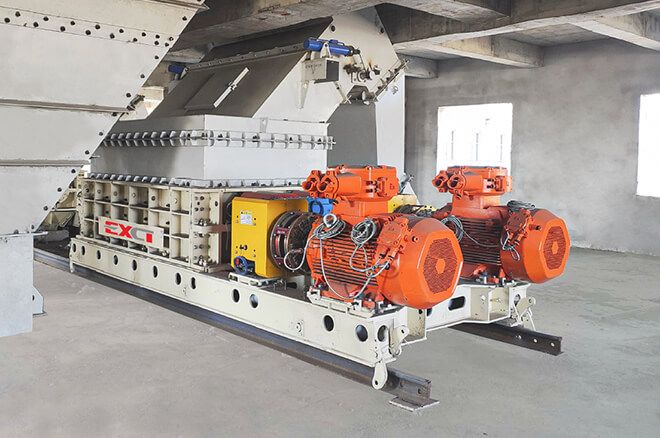
Modern Mineral Sizers combine heavy-duty construction, high-torque drives, intelligent control systems, and automated monitoring to deliver reliable performance in demanding environments. From coal and limestone to iron ore and phosphate, these machines support efficient material handling while improving operational productivity.
This guide explains Mineral Sizers, their working principles, major components, applications, maintenance practices, safety considerations, and the latest innovations in material size reduction technology.
What Are Mineral Sizers?
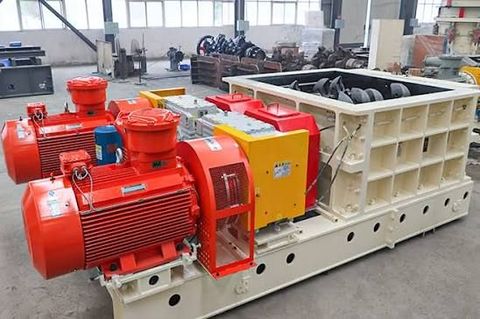
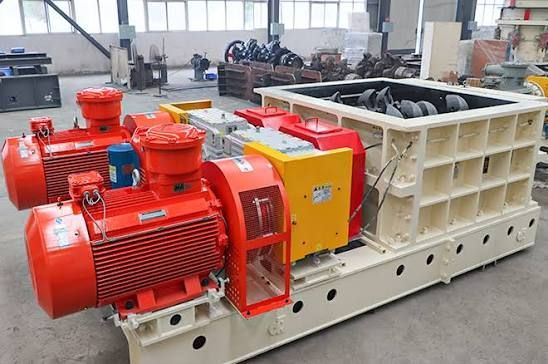
Mineral Sizers are mechanical crushing machines that reduce the size of minerals and bulk materials by using two counter-rotating shafts fitted with specially designed crushing teeth. Unlike some conventional crushers that rely primarily on impact, mineral sizers mainly use compression and shearing actions to achieve controlled size reduction.
Mineral sizers commonly process:
Coal
Limestone
Iron ore
Potash
Phosphate
Gypsum
Clay
Oil shale
Salt
Industrial minerals
The choice of sizer depends on feed size, material hardness, moisture content, and required product size.
Why Mineral Sizers Matter
Efficient size reduction improves downstream processing and material handling.
Mineral Sizers help:
Produce consistent product sizes
Reduce excessive fines generation
Handle large feed materials
Improve operational efficiency
Support continuous production
Lower energy consumption compared with some crushing methods
These advantages make mineral sizers valuable across many mining and processing applications.
How Mineral Sizers Work
The size reduction process follows several controlled stages.
Material Feeding
Bulk material enters the sizer through the feed opening using conveyors or hoppers.
Material Gripping
Rotating toothed shafts grip the incoming material and pull it into the crushing zone.
Crushing Action
Compression and shearing forces break the material into smaller particles.
Size Control
The tooth design and shaft spacing help determine the final product size.
Material Discharge
Processed material exits the machine for conveying, screening, or further processing.
Types of Mineral Sizers
Different machine configurations are available for various applications.
Primary Mineral Sizer
Processes large run-of-mine material before secondary crushing.
Secondary Mineral Sizer
Further reduces material already processed during primary crushing.
Single Roll Sizer
Uses one crushing roll against a fixed crushing surface.
Double Roll Mineral Sizer
Uses two counter-rotating rolls to provide controlled material reduction.
Mobile Mineral Sizer
Installed on mobile crushing systems for flexible mining and construction operations.
Main Components
Modern Mineral Sizers consist of several integrated mechanical systems.
Key components include:
Crushing rolls
Toothed shafts
Drive motors
Gearboxes
Bearings
Frame structure
Feed hopper
Discharge chute
Hydraulic protection system
Control panel
Each component contributes to efficient crushing performance and equipment reliability.
Applications Across Industries
Mineral Sizers are widely used in material processing industries.
Mining
Process run-of-mine materials before transportation and beneficiation.
Coal Handling
Reduce coal size while minimizing dust generation and fines.
Cement Industry
Prepare limestone and other raw materials before grinding.
Quarry Operations
Process aggregates and construction materials for further production.
Industrial Minerals
Handle materials used in chemical processing, fertilizers, and manufacturing.
Technologies Supporting Modern Mineral Sizers
Today's Mineral Sizers increasingly incorporate advanced technologies.
Examples include:
Industrial Internet of Things (IIoT)
Smart load monitoring
Automated overload protection
Predictive maintenance software
Variable speed drives
Digital production monitoring
Remote equipment diagnostics
Energy management systems
These technologies improve operational efficiency while reducing unexpected downtime.
Mineral Sizers Overview
| Process Stage | Primary Purpose |
|---|---|
| Material Feeding | Deliver bulk material into the machine |
| Material Gripping | Pull material into the crushing zone |
| Crushing | Reduce material size through compression and shearing |
| Size Control | Produce consistent output dimensions |
| Material Discharge | Transfer processed material downstream |
| Monitoring | Track equipment performance |
Quality Control
Quality management supports consistent crushing performance.
Inspection activities commonly include:
Product size analysis
Roll wear inspection
Tooth profile evaluation
Shaft alignment verification
Bearing condition monitoring
Throughput measurement
These procedures help maintain reliable production quality.
Maintenance Considerations
Routine maintenance supports dependable machine performance.
Typical maintenance includes:
Inspecting crushing teeth
Monitoring gearbox operation
Checking bearing lubrication
Verifying shaft alignment
Examining hydraulic systems
Reviewing maintenance records
Preventive maintenance helps improve equipment lifespan and reduce operational interruptions.
Safety Considerations
Mineral Sizers operate with heavy mechanical components and high-torque drive systems.
Important safety practices include:
Follow standard operating procedures.
Inspect machine guards regularly.
Isolate power before maintenance.
Monitor overload protection systems.
Wear appropriate personal protective equipment.
Perform routine safety inspections.
These measures contribute to safe and efficient industrial operations.
Environmental Considerations
Modern material processing increasingly emphasizes sustainable practices.
Common environmental initiatives include:
Energy-efficient drive systems
Dust suppression measures
Noise reduction technologies
Optimized material handling
Reduced waste generation
Smart energy monitoring
These approaches support environmentally responsible mining and processing.
Current Industry Trends
Material size reduction technology continues to evolve.
Recent developments include:
Artificial intelligence-assisted equipment monitoring
Smart factory integration
Automated condition monitoring
Digital twin technology
Connected production analytics
Remote operational diagnostics
High-efficiency crushing systems
These innovations continue improving reliability, productivity, and operational visibility.
Looking Ahead
Future Mineral Sizers are expected to feature greater automation, enhanced artificial intelligence integration, improved energy efficiency, and more advanced predictive maintenance capabilities. As Industry 4.0 technologies continue to evolve, connected crushing systems will play an increasingly important role in optimizing mining and mineral processing operations.
Why Understanding Mineral Sizers Matters
Learning about Mineral Sizers provides valuable insight into one of the most efficient technologies for controlled material size reduction. Understanding their working principles, components, applications, and maintenance requirements helps explain how these machines improve productivity while supporting reliable downstream processing.
Conclusion
Mineral Sizers are an important part of modern mining, quarrying, and industrial material processing. Their ability to deliver controlled size reduction, handle large feed materials, and integrate with advanced automation systems makes them well suited for demanding production environments. Through regular maintenance, intelligent monitoring, and evolving digital technologies, mineral sizers continue to support efficient and sustainable industrial operations.