SIEM Software Complete Guide to Security Monitoring and Threat Detection
As more organizations depend on digital systems, protecting information has become an important part of everyday operations. Businesses, educational institutions, healthcare providers, financial organizations, and government agencies all generate large amounts of digital activity every second.
Every login attempt, file access, application update, and network connection creates information that can help identify unusual behavior. Managing this information manually would be extremely difficult, which is why many organizations use SIEM Software.
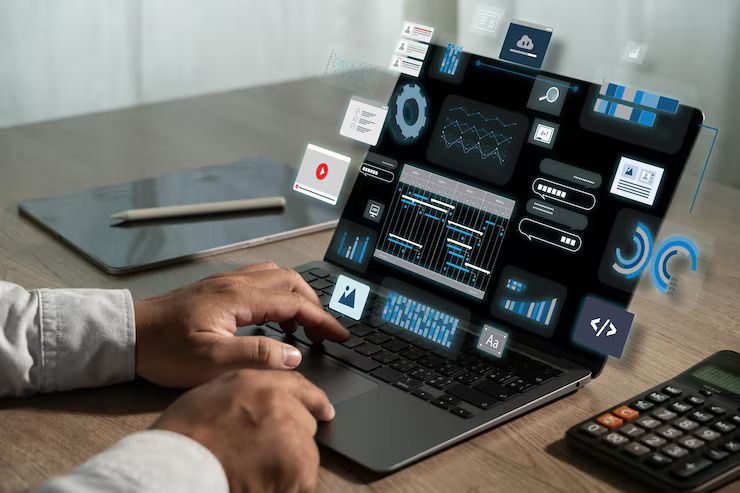
SIEM stands for Security Information and Event Management. It is a cybersecurity solution that collects, organizes, and analyzes security-related information from different systems. Instead of reviewing thousands of separate logs, security teams can view activity through a centralized platform that helps identify potential threats, unusual events, and system changes.
This guide explains how SIEM Software works, its major features, common applications, benefits, challenges, and the technologies shaping the future of cybersecurity monitoring.
Understanding SIEM Software
SIEM Software is a cybersecurity platform designed to collect security events and system logs from multiple digital sources. It combines information from servers, computers, cloud platforms, applications, firewalls, network devices, and other connected systems into one location for analysis.
Rather than replacing existing security tools, SIEM Software works alongside them by collecting and organizing information that supports security monitoring and incident investigation.
Common data sources include:
- Computer systems
- Network devices
- Firewalls
- Cloud platforms
- Applications
- Identity management systems
- Database servers
- Endpoint protection tools
- Web servers
- Email systems
This centralized approach helps security teams understand activity across an entire digital environment.
Why SIEM Software Matters
Modern organizations generate millions of security events every day. Without centralized monitoring, important warning signs could easily be overlooked.
SIEM Software helps organizations:
- Organize security information
- Monitor network activity
- Detect unusual behavior
- Support security investigations
- Improve visibility across systems
- Maintain centralized event records
These capabilities contribute to stronger cybersecurity awareness.
How SIEM Software Works
Although different platforms include different capabilities, the overall process follows several key steps.
Data Collection
The software gathers logs and event information from connected systems throughout the organization.
This may include authentication records, application activity, firewall events, and network traffic.
Data Normalization
Because different systems generate information in different formats, SIEM Software converts the data into a standardized structure.
This makes analysis more consistent.
Event Correlation
The software compares information from multiple sources to identify related activities.
For example, several unusual login attempts across different systems may indicate a broader security event.
Alert Generation
When predefined conditions are detected, alerts notify security personnel for further investigation.
Investigation
Security teams review collected information to understand what occurred and determine whether additional action is required.
Key Features
Modern SIEM Software includes a variety of cybersecurity tools.
Centralized Log Management
Logs from multiple systems are stored in one location for easier analysis.
Real-Time Monitoring
Continuous monitoring helps identify unusual events as they occur.
Event Correlation
Related activities from different systems are analyzed together to improve visibility.
Reporting
Reports summarize security activity, system events, and operational trends.
Dashboards
Visual dashboards provide an overview of system health, alerts, and security activity.
Organizations That Use SIEM Software
Cybersecurity monitoring is important across many industries.
Common sectors include:
- Healthcare
- Banking
- Education
- Government
- Manufacturing
- Retail
- Telecommunications
- Technology companies
- Transportation
- Energy production
Each organization uses SIEM Software according to its operational and regulatory requirements.
Common Security Events
SIEM platforms monitor many different types of activity.
Examples include:
- Login attempts
- Failed authentication
- Network traffic changes
- User account modifications
- File access events
- Firewall activity
- Application errors
- Administrative actions
Reviewing these events together helps identify unusual patterns.
Automation in SIEM Software
Automation has become an important feature of modern cybersecurity.
Many platforms automatically perform tasks such as:
- Log collection
- Event classification
- Alert generation
- Data filtering
- Report creation
- Threat prioritization
Automation allows security teams to focus on investigating higher-priority events.
Artificial Intelligence and Machine Learning
Artificial intelligence is increasingly integrated into SIEM Software.
AI technologies may assist with:
- Pattern recognition
- Behavioral analysis
- Threat prioritization
- Anomaly detection
- Automated investigations
- Predictive analysis
These technologies help identify complex activity that might be difficult to recognize manually.
Compliance Support
Many industries operate under information security regulations that require careful record management.
SIEM Software helps organizations organize:
- Security logs
- Audit records
- Access history
- Event timelines
- Compliance reports
- Investigation records
Centralized documentation simplifies internal reviews and regulatory reporting.
Challenges
Although SIEM platforms provide valuable visibility, organizations also consider several operational challenges.
These may include:
- Large volumes of security data
- Alert prioritization
- System integration
- Ongoing rule updates
- Data storage management
- User training
Careful planning helps organizations manage these areas effectively.
SIEM Software Features Overview
| Feature | Primary Purpose |
|---|---|
| Log Collection | Gathers security information |
| Event Correlation | Connects related activities |
| Dashboards | Displays security status |
| Alerts | Notifies about unusual events |
| Reporting | Summarizes security information |
| Investigation Tools | Supports event analysis |
Technology Trends
Cybersecurity continues evolving as digital environments become more connected.
Recent developments include:
- Cloud-native SIEM platforms
- Artificial intelligence integration
- Machine learning analysis
- Automated incident response
- Extended detection capabilities
- Improved visualization dashboards
- Real-time analytics
These innovations help organizations manage increasingly complex digital environments.
Looking Ahead
As organizations continue adopting cloud computing, remote work, and connected devices, cybersecurity monitoring will remain an essential part of digital operations. Future SIEM Software is expected to provide smarter automation, improved behavioral analysis, enhanced cloud visibility, and more efficient threat investigation through artificial intelligence and advanced analytics.
These developments aim to help organizations better understand security events while supporting effective cybersecurity management.
Conclusion
SIEM Software provides organizations with a centralized way to collect, analyze, and monitor security information from multiple digital systems. By combining log management, event correlation, automation, reporting, and artificial intelligence, SIEM platforms help improve visibility across complex technology environments. As cybersecurity challenges continue evolving, SIEM Software remains an important tool for supporting security monitoring, incident investigation, and informed decision-making.