Hotel Reservation Software Complete Guide to Booking Management and Guest Experience
Planning a trip often begins with one important step—finding a place to stay. Whether someone is traveling for work, education, family visits, or a vacation, the booking process is expected to be simple and reliable.
Behind this experience is Hotel Reservation Software, a digital system that helps hotels organize room availability, manage reservations, and coordinate guest information in one place.

Years ago, reservations were often handled using paper records, phone calls, and manual registers. While those methods worked for smaller operations, they became difficult to manage as travel increased. Today, digital reservation systems help organize bookings, reduce scheduling conflicts, and improve communication between hotel staff and guests.
This guide explains how Hotel Reservation Software works, its common features, benefits, practical applications, and the technology that continues to shape modern hospitality management.
Understanding Hotel Reservation Software
Hotel Reservation Software is a digital platform used to manage room reservations, guest information, booking schedules, and accommodation availability. It helps organize reservations from different booking channels while maintaining updated room records.
The software may be used by:
- Hotels
- Resorts
- Guest houses
- Vacation accommodations
- Boutique properties
- Business hotels
- Extended-stay accommodations
Although the size of each property may differ, the purpose remains the same—keeping reservation information organized and accurate.
Why Hotel Reservation Software Matters
Managing accommodation bookings involves many moving parts. Guests expect accurate room availability, while hotel teams need organized records to coordinate check-ins, housekeeping, and occupancy.
Hotel Reservation Software helps support these daily activities by:
- Organizing reservations
- Reducing manual record keeping
- Improving booking accuracy
- Simplifying guest information management
- Supporting room availability updates
- Helping staff coordinate daily operations
Efficient reservation management contributes to smoother guest experiences throughout the stay.
How Hotel Reservation Software Works
Although different platforms include different capabilities, the general process follows a similar pattern.
Reservation Request
A guest selects travel dates and accommodation preferences through a website, mobile application, travel platform, or direct communication.
Availability Check
The software compares the requested dates with current room availability.
If suitable rooms are available, the reservation proceeds.
Reservation Confirmation
Guest details and booking information are recorded within the system.
The reservation calendar updates automatically to reflect the new booking.
Check-In Preparation
Before arrival, hotel staff can review guest information, room assignments, and reservation details.
Check-Out
After departure, room availability updates automatically for future reservations.
Main Features
Modern Hotel Reservation Software includes a variety of useful tools.
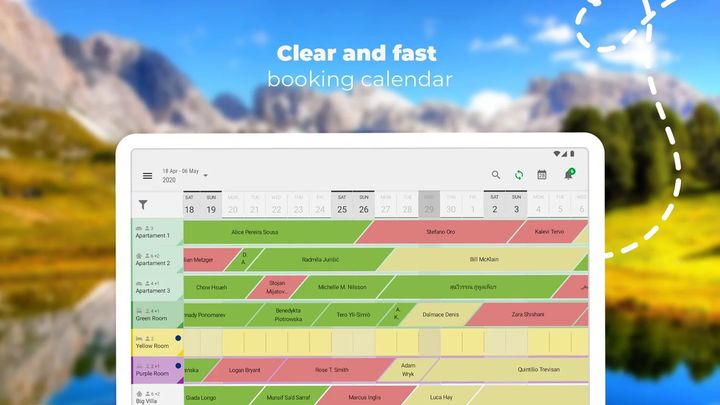
Booking Calendar
A visual calendar displays room occupancy and future reservations.
This helps staff quickly understand current availability.
Guest Information Management
The software stores reservation details, contact information, and accommodation preferences where appropriate.
Room Inventory
Room status is updated as reservations, arrivals, departures, and maintenance activities occur.
Reporting
Reports help summarize occupancy, reservation activity, and operational information.
Mobile Access
Many systems provide mobile access, allowing authorized staff to review reservation information from different locations.
Integration With Other Hotel Systems
Reservation software often works alongside other digital platforms.
Common integrations include:
- Property management systems
- Payment processing platforms
- Housekeeping management
- Accounting software
- Customer communication tools
- Channel management platforms
These connections help information move smoothly between different hotel operations.
Benefits for Hotel Operations
Digital reservation systems simplify many daily activities.
Some advantages include:
- Improved reservation organization
- Faster booking updates
- Reduced scheduling conflicts
- Better occupancy tracking
- Easier record management
- More accurate reporting
Automation also reduces repetitive administrative tasks.
Guest Experience
Guests often notice the results of organized reservation systems even if they never interact directly with the software.
A well-managed system helps support:
- Faster reservation confirmation
- Accurate room availability
- Smooth check-in processes
- Organized booking records
- Better communication
- Clear reservation information
These improvements contribute to a more comfortable travel experience.
Security and Data Protection
Reservation systems handle personal information, making security an important consideration.
Many platforms include features such as:
- User authentication
- Encrypted data storage
- Permission-based access
- Activity logs
- Secure backup systems
- Multi-factor authentication
Hotels also follow applicable privacy regulations when managing guest information.
Hotel Reservation Software in Different Types of Properties
Different accommodation providers use reservation software according to their operational needs.
Business Hotels
Business-focused properties often manage frequent short stays and conference-related reservations.
Resorts
Resorts may coordinate accommodation with recreational activities and dining schedules.
Boutique Hotels
Smaller properties benefit from organized reservation records while maintaining personalized guest interactions.
Vacation Accommodations
Holiday properties use reservation systems to manage seasonal demand and longer stays.
Technology Trends
Technology continues improving hotel reservation management.
Recent developments include:
- Artificial intelligence chat assistants
- Automated reservation updates
- Mobile check-in options
- Cloud-based platforms
- Smart room assignment tools
- Real-time availability synchronization
- Digital reporting dashboards
These innovations help hotels manage reservations more efficiently.
Hotel Reservation Software Features Overview
| Feature | Purpose |
|---|---|
| Booking Calendar | Displays room availability |
| Guest Records | Organizes reservation information |
| Room Inventory | Tracks occupancy status |
| Reporting Tools | Summarizes operational data |
| Mobile Access | Supports remote management |
| System Integration | Connects hotel operations |
Choosing Features That Match Operational Needs
Hotels vary in size, guest volume, and daily operations. A small property may focus on reservation tracking and room management, while a larger hotel may require additional reporting, communication tools, and integration with multiple operational systems.
Understanding operational requirements helps identify which software features are most useful for different accommodation environments.
Looking Ahead
The future of Hotel Reservation Software is closely connected with advances in artificial intelligence, cloud computing, automation, and mobile technology. Future platforms are expected to provide smarter forecasting, improved guest communication, enhanced security features, and better integration across hotel operations.
As digital technology continues evolving, reservation systems will remain an important part of efficient accommodation management while helping hotels adapt to changing travel expectations.
Conclusion
Hotel Reservation Software plays a central role in modern hospitality by organizing bookings, managing room availability, and supporting smooth guest experiences. Through automation, digital record management, and system integration, these platforms help accommodation providers coordinate daily operations more efficiently. As technology continues advancing, reservation software will remain an essential part of the hospitality industry, supporting organized booking management and effective communication.