Strengthen Zero Trust Strategy Complete Guide to Modern Cybersecurity Protection
Cybersecurity has become an essential part of everyday digital life. Businesses, schools, healthcare organizations, government agencies, and individuals depend on connected devices and online platforms to manage information.
As digital environments continue to expand, protecting sensitive data has become more challenging. Traditional security models often assumed that people and devices inside a network could be trusted automatically. Today, cybersecurity experts are increasingly adopting approaches that verify every request before granting access. This concept is known as Zero Trust. Learning how AI Strengthen Zero Trust Strategy supports this model helps explain the future of digital security.
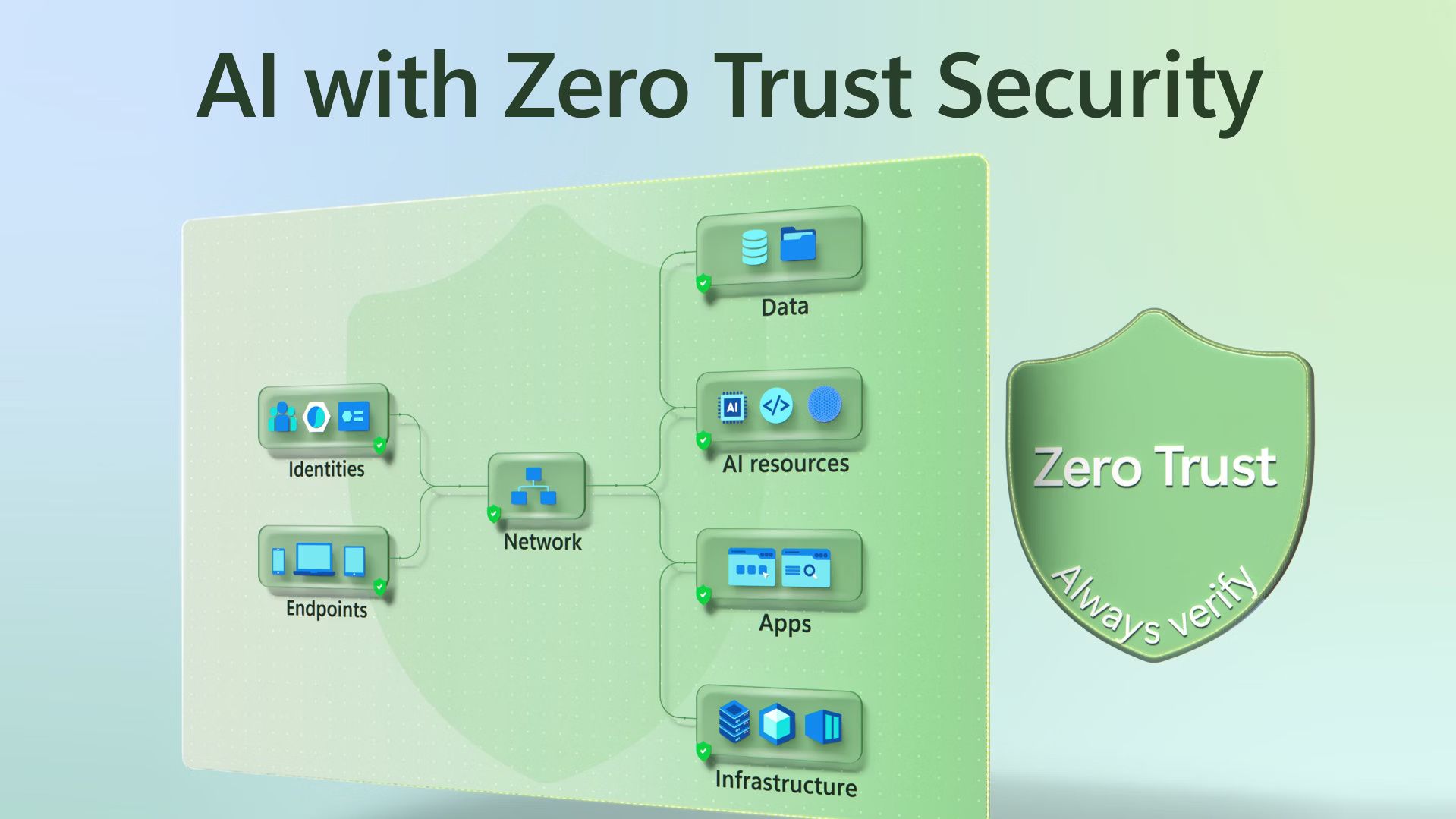
Artificial intelligence brings faster analysis, continuous monitoring, and automated threat detection to Zero Trust environments. Rather than replacing cybersecurity professionals, AI supports them by identifying unusual activity, analyzing large amounts of information, and helping organizations respond more efficiently to potential security events.
This guide explains the Zero Trust model, the role of artificial intelligence, important security principles, benefits, challenges, and future developments.
What Is Zero Trust?
Zero Trust is a cybersecurity approach based on a simple principle: never automatically trust users, devices, or applications simply because they are inside an organization's network.
Instead, every access request is verified using multiple security checks before permission is granted.
A Zero Trust framework commonly focuses on:
Identity verification
Device security
Access control
Network monitoring
Data protection
Continuous authentication
This approach helps reduce unnecessary access to sensitive information.
Understanding How AI Strengthen Zero Trust Strategy
The phrase AI Strengthen Zero Trust Strategy describes how artificial intelligence supports Zero Trust security by analyzing activity, identifying unusual behavior, and assisting with security decisions in real time.
Artificial intelligence helps security teams process far more information than manual monitoring alone.
Instead of replacing human expertise, AI provides additional insights that support faster investigation and response.
Why Zero Trust Matters
Modern organizations use cloud platforms, remote work environments, mobile devices, and connected applications. Traditional network boundaries are becoming less defined.
Zero Trust helps organizations:
Protect sensitive information
Reduce unauthorized access
Improve visibility across devices
Verify user identities continuously
Support secure remote work
Strengthen overall cybersecurity
Verification remains an ongoing process rather than a one-time event.
Core Principles of Zero Trust
Several important principles guide Zero Trust security.
Verify Every Request
Every user, device, and application must be authenticated before receiving access.
Least Privilege Access
People receive only the permissions required for their responsibilities.
This reduces unnecessary exposure to sensitive information.
Continuous Monitoring
Security systems monitor activity throughout every session rather than only during login.
Device Validation
Devices are checked to confirm they meet organizational security requirements before access is granted.
How Artificial Intelligence Supports Zero Trust
Artificial intelligence performs several important security tasks.
Behavioral Analysis
AI studies normal user activity and identifies unusual behavior that may indicate a security concern.
Threat Detection
Machine learning models analyze network traffic, login attempts, and application activity to identify suspicious patterns.
Risk Assessment
Artificial intelligence evaluates multiple security signals before helping determine appropriate access decisions.
Security Automation
Routine security activities such as alert prioritization, log analysis, and policy enforcement can be automated.
Technologies Behind AI Zero Trust
Modern Zero Trust environments combine several advanced technologies.
Examples include:
Artificial intelligence
Machine learning
Identity management
Multi-factor authentication
Cloud computing
Security analytics
Endpoint protection
Together, these technologies support continuous cybersecurity monitoring.
Organizations Using Zero Trust
Many industries benefit from Zero Trust security.
Healthcare
Healthcare organizations protect patient records and clinical systems.
Financial Institutions
Banks safeguard financial information and online transactions.
Government
Government agencies secure sensitive administrative information.
Education
Educational institutions protect student records and research data.
Manufacturing
Manufacturers secure industrial systems, connected devices, and operational technology.
AI Strengthen Zero Trust Strategy Overview
| Security Component | Purpose |
|---|---|
| Identity Verification | Confirms user identity |
| Device Validation | Checks device security |
| Artificial Intelligence | Analyzes activity patterns |
| Continuous Monitoring | Observes ongoing activity |
| Risk Assessment | Evaluates access decisions |
| Security Analytics | Identifies unusual behavior |
Benefits
Organizations implement Zero Trust for several practical reasons.
Common advantages include:
Improved identity protection
Better visibility across systems
Stronger access control
Faster threat identification
Organized security monitoring
Improved protection for remote work
These improvements contribute to more resilient cybersecurity environments.
Security Practices
Zero Trust depends on multiple layers of protection.
Important practices include:
Strong authentication
Regular software updates
Secure password management
Data encryption
Access reviews
Continuous monitoring
Combining these practices strengthens overall security.
Common Challenges
Implementing Zero Trust requires careful planning.
Organizations often consider:
Legacy system integration
Employee training
Identity management
Policy development
Device inventory
Continuous monitoring requirements
Gradual implementation helps organizations adapt successfully.
Future Trends
Cybersecurity technology continues evolving rapidly.
Recent developments include:
AI-assisted threat hunting
Automated incident investigation
Adaptive authentication
Continuous behavioral analysis
Cloud-native security
Identity-centered security architecture
Intelligent security orchestration
These innovations continue strengthening modern cybersecurity strategies.
Looking Ahead
As cyber threats become more sophisticated, organizations are expected to rely increasingly on artificial intelligence to support Zero Trust environments. Future security platforms may provide stronger behavioral analysis, faster incident response, improved automation, and more intelligent identity protection while maintaining appropriate human oversight.
These developments will continue improving digital security across many industries.
Why Understanding Zero Trust Matters
Organizations now manage large amounts of digital information across cloud platforms, remote devices, and connected applications. Understanding how AI Strengthen Zero Trust Strategy works helps explain how modern cybersecurity verifies every user, device, and access request while reducing security risks.
Whether protecting healthcare records, financial information, educational data, or business operations, Zero Trust has become an important cybersecurity framework.
Conclusion
AI Strengthen Zero Trust Strategy combines artificial intelligence, identity verification, continuous monitoring, access control, and behavioral analysis to improve modern cybersecurity. Rather than relying on automatic trust, Zero Trust continuously verifies users and devices before allowing access to sensitive information. As cybersecurity continues evolving, AI-assisted Zero Trust strategies will remain an important part of protecting digital environments.