Animation Courses: Build Creative Skills for a Digital Career
Animation brings ideas to life through movement, images, characters, and visual storytelling. It appears in animated films, video games, advertisements, educational videos, mobile applications, and digital presentations.
Behind these visuals are creative professionals who combine artistic thinking with technical skills to develop engaging content.
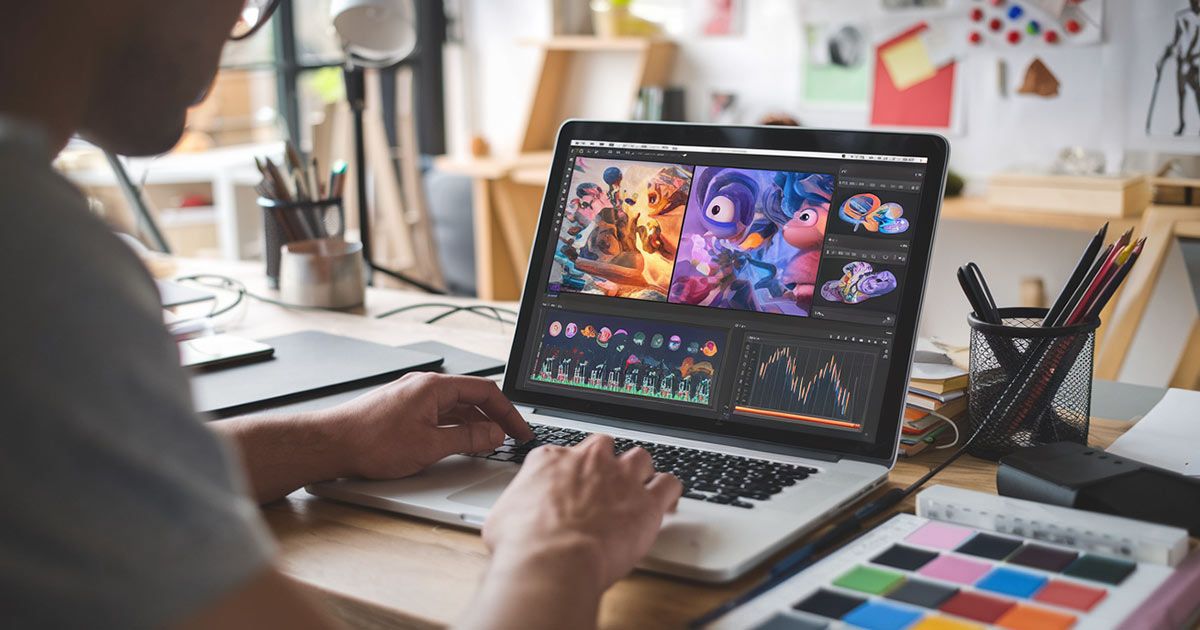
Animation Courses help learners understand how moving images are created, from drawing basic characters to producing complex three-dimensional scenes. Depending on the curriculum, students may explore traditional animation, 2D and 3D animation, motion graphics, visual effects, character design, and digital storytelling.
People entering this field come from different backgrounds. Some enjoy drawing, while others are interested in technology, filmmaking, design, or game development. A structured learning program can help beginners build foundational knowledge and give experienced creators an opportunity to develop specialized skills.
This guide explains the main types of animation courses, the skills students can develop, common software tools, learning formats, portfolio preparation, and factors to consider when choosing a program.
What Are Animation Courses?
Animation Courses are educational programs that teach the principles, techniques, and tools used to create moving visual content. They may be available through universities, creative institutes, online learning platforms, vocational schools, and specialized training centers.
Course length and depth depend on the program. Short courses may focus on one technique, such as motion graphics or character animation, while diploma and degree programs can cover a broader range of creative and technical subjects.
Students usually learn through a combination of demonstrations, practical exercises, assignments, and individual projects. These activities help learners understand how movement, timing, composition, sound, and visual design work together.
Some programs emphasize artistic development, while others focus on digital production workflows. Before enrolling, learners should review the curriculum to understand whether it matches their interests and current experience.
Different Types of Animation Courses
Animation includes several specializations. Understanding the differences can help students identify a learning pathway that suits their creative goals.
1. 2D Animation
Two-dimensional animation creates movement across a flat visual plane. Characters and objects are designed using drawings, shapes, and layered artwork.
Traditional frame-by-frame animation involves creating a sequence of images that show small changes in movement. When displayed in order, these images create the impression of motion.
Digital 2D animation may also use rigs, which are structures that allow animators to move a character's body parts without redrawing every frame.
These courses often cover drawing fundamentals, character movement, timing, facial expressions, storyboarding, and scene composition. They can be useful for learners interested in cartoons, explainer videos, educational content, and illustrated storytelling.
2. 3D Animation
Three-dimensional animation creates digital objects and characters with height, width, and depth. Artists build models, apply textures, arrange lighting, and animate objects within a virtual environment.
A typical workflow may include modeling, rigging, animation, materials, lighting, and rendering. Rigging creates a digital structure that helps an animator control a character or object.
Students may learn how to create realistic movement, communicate emotion through body language, and maintain consistency between scenes.
Three-dimensional animation is used in films, video games, architectural visualization, product demonstrations, and simulations.
3. Motion Graphics
Motion graphics combine text, shapes, illustrations, and visual effects with movement. They are commonly used in title sequences, advertisements, presentations, digital interfaces, and educational videos.
Courses in this area may teach typography, layout, transitions, timing, color theory, and the relationship between animation and sound.
Motion graphics can be suitable for learners who enjoy graphic design and want to explore how static visual elements can communicate information through movement.
4. Visual Effects
Visual effects, often called VFX, involve creating or modifying imagery that may be difficult, expensive, or impractical to capture directly with a camera.
Examples include digital environments, simulated weather, particle effects, compositing, and the integration of computer-generated elements into filmed scenes.
VFX courses may cover compositing software, tracking, lighting, masking, simulation, and image integration.
This pathway combines artistic judgment with technical problem-solving and is used in film production, television, games, and digital media.
Essential Skills Developed Through Animation Training
Learning animation involves more than understanding software. Students also need to develop visual awareness, patience, and the ability to communicate ideas clearly.
Drawing and visual composition: Basic drawing skills help students understand shapes, proportions, perspective, and the structure of characters and environments. Not every animation role requires advanced drawing, but visual understanding remains useful.
Timing and movement: Animators study how objects accelerate, slow down, turn, and respond to forces. The timing of a movement can make a character appear heavy, light, nervous, relaxed, or energetic.
Storytelling: A sequence of images should communicate an idea or event. Students learn how expressions, framing, scene changes, and movement guide the audience's attention.
Technical problem-solving: Digital animation involves file management, software settings, rendering, and troubleshooting. Students gradually learn to identify and correct technical problems.
Collaboration: Larger projects may involve artists, writers, editors, sound designers, and technical specialists. Clear communication and organized files help teams work together.
Regular practice is important because animation skills develop through repeated experimentation, feedback, and revision.
Popular Software Used in Animation
Different animation tasks require different tools. Students should learn software that supports their intended specialization rather than attempting to master every application at once.
Blender
Blender is a three-dimensional creation application used for modeling, rigging, animation, rendering, and visual effects. It supports several stages of a 3D production workflow within one environment.
Autodesk Maya
Autodesk Maya is widely used for 3D modeling, character rigging, animation, and related production tasks. It is commonly associated with professional film, television, and game development workflows.
Adobe After Effects
Adobe After Effects is used for motion graphics, compositing, animated titles, and visual effects. It is particularly relevant for learners interested in animated graphics and video production.
Toon Boom Harmony
Toon Boom Harmony supports 2D animation workflows, including drawing-based animation and rigged character production. It is used in different types of animated television and digital content production.
Software capabilities, licensing terms, and system requirements can change. Students should check current documentation and ensure their computers can run the applications they intend to use.
Online and Classroom Learning Options
Animation can be studied through different learning formats, and each has practical considerations.
Online Courses
Online programs allow learners to study through recorded lessons, live classes, demonstrations, and digital assignments. This format can suit people balancing education with other responsibilities.
Students need a suitable computer, consistent practice time, and reliable access to learning materials. Some programs include instructor feedback, while others depend mainly on independent exercises.
Classroom Programs
Classroom learning provides scheduled instruction and direct interaction with teachers and classmates. Students may have access to shared equipment, studio facilities, and group projects.
The learning experience depends on class size, curriculum structure, instructor expertise, and available technology.
Diploma and Degree Programs
Diploma and degree programs may include animation alongside subjects such as film production, illustration, digital design, storytelling, and visual communication.
A longer academic program may provide a broader foundation, while a short specialized course may focus on a specific technique. Learners should compare learning outcomes, practical assignments, qualification recognition, and the time required to complete each option.
Building an Animation Portfolio
A portfolio demonstrates what a learner can create. It is often important when applying for internships, freelance projects, further study, or entry-level creative opportunities.
Beginners can start with a few focused projects rather than attempting a large production immediately.
A simple portfolio might include a bouncing-ball animation, a short character walk cycle, an animated title sequence, or a small 3D scene. Each project should demonstrate a particular skill, such as timing, composition, modeling, or lighting.
Students should include only work they understand and can explain. If a project was completed collaboratively, they should clearly describe their own contribution.
A showreel is a short video that presents selected work. It should begin with clear examples, maintain an appropriate pace, and avoid including unfinished pieces that do not represent the learner's abilities.
Feedback from instructors, classmates, and experienced artists can help identify areas that need improvement. Revising older projects can also show how skills have developed over time.
Career Paths Related to Animation
Animation training can support several creative pathways, although opportunities depend on individual skills, experience, location, and industry requirements.
Possible roles include 2D animator, 3D animator, character artist, storyboard artist, motion graphics designer, visual effects artist, lighting artist, and animation production assistant.
Some professionals focus on character movement, while others specialize in modeling, environments, compositing, or technical workflows. Animation skills can also be applied to educational content, digital marketing, game development, product visualization, and interactive media.
Employers and clients may assess portfolios, practical tests, communication skills, and familiarity with production workflows. Completing a course alone does not ensure a particular career outcome, so learners should continue practicing and developing work that reflects their abilities.
How to Choose a Suitable Animation Course
Before enrolling, identify the type of animation you want to learn and the level at which you are starting.
Review the syllabus to check whether it includes practical projects, software training, feedback, and portfolio development. Examine the instructor's background and look for examples of student work where available.
Check the learning format, class schedule, computer requirements, program duration, and total fees. It is also useful to understand assessment methods, qualification recognition, and any additional expenses for software or equipment.
Beginners should look for clear instruction in foundational principles before moving into complex techniques. Learners with experience may benefit more from specialized courses focused on areas such as character rigging, compositing, or advanced motion graphics.
Conclusion
Animation Courses provide a structured way to develop creative and technical skills for digital content production. Options range from 2D animation and motion graphics to 3D character animation and visual effects, each supporting different types of projects.
Choosing an appropriate course involves understanding personal interests, comparing curricula, checking software requirements, and considering the amount of practical work included. Building a portfolio and seeking constructive feedback are also important parts of the learning process.
With regular practice and a clear learning plan, students can develop animation skills and explore opportunities across film, gaming, education, design, and digital media.