Extrusion Molding Machine Complete Guide to Modern Plastic Manufacturing
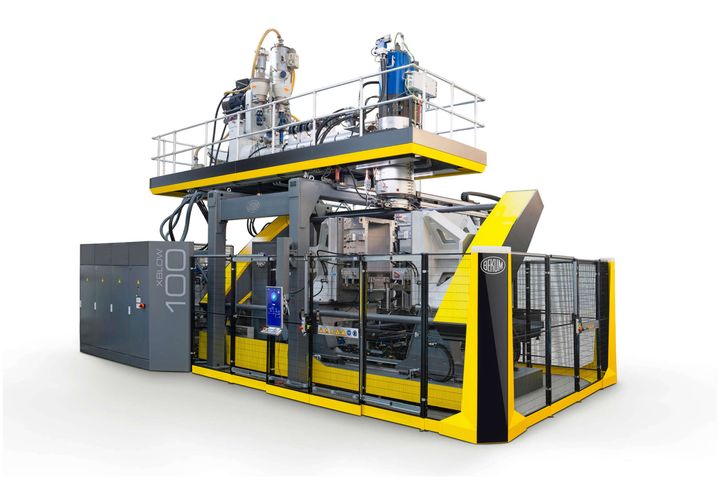
Plastic products are an essential part of modern life, supporting industries such as construction, packaging, automotive, healthcare, agriculture, and consumer goods. Many of these products are manufactured using an Extrusion Molding Machine, a specialized piece of equipment designed to continuously shape plastic materials into uniform profiles.
From plastic pipes and sheets to films and tubing, extrusion technology plays a significant role in efficient industrial production.
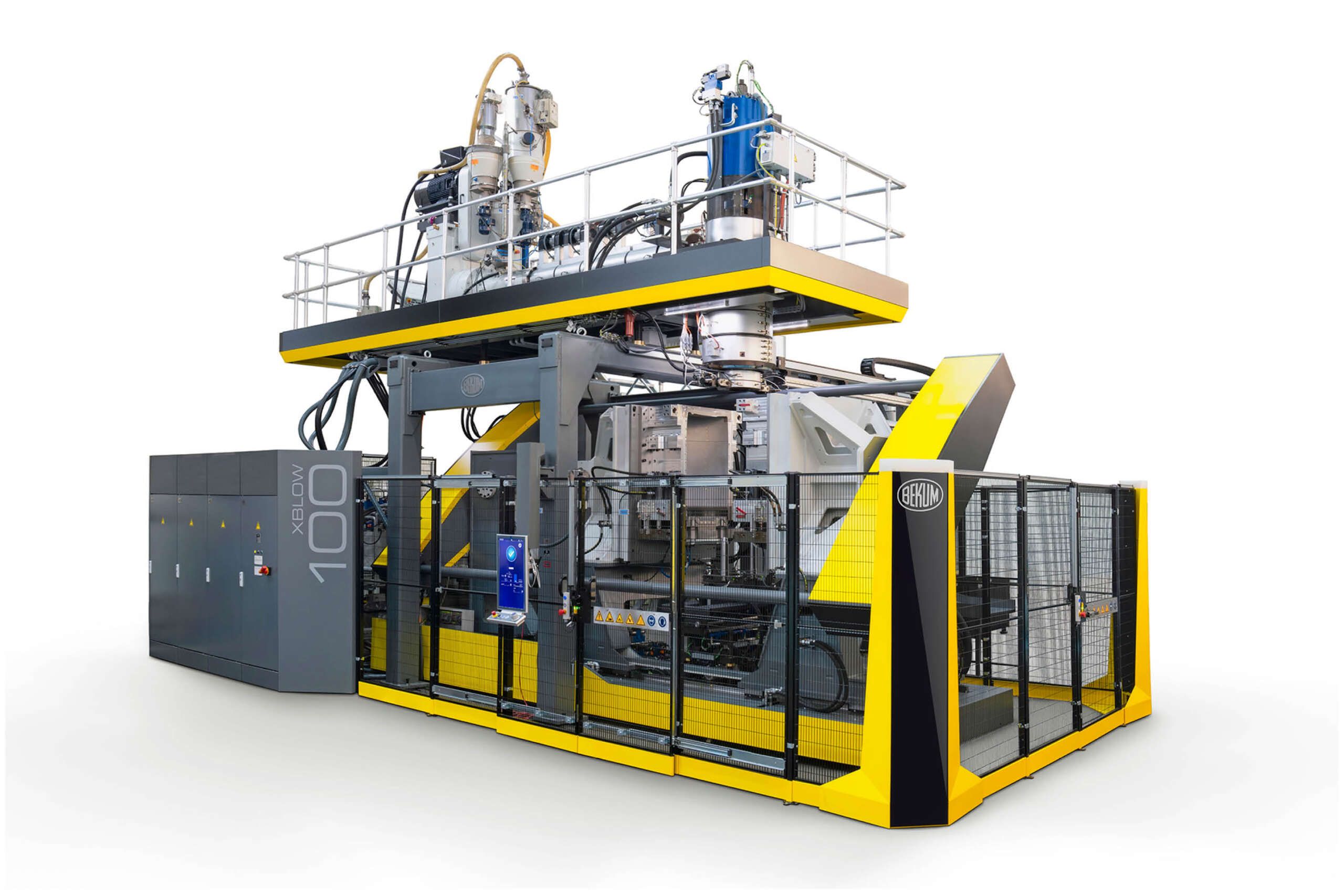
Modern extrusion molding machines combine precision engineering with automated controls to produce consistent, high-quality plastic products. Advances in digital monitoring, energy-efficient systems, and material processing have improved productivity while supporting reliable manufacturing processes.
This guide explains what an Extrusion Molding Machine is, how it works, its main components, common materials, industrial applications, quality control practices, safety considerations, and the latest developments in plastic manufacturing.
What Is an Extrusion Molding Machine?
An Extrusion Molding Machine is industrial equipment that melts thermoplastic materials and forces the molten plastic through a specially designed die to create products with a continuous cross-sectional shape. Once the material exits the die, it is cooled, shaped if necessary, and cut to the required length.
Extrusion molding is commonly used to produce:
Plastic pipes
Tubes
Sheets
Films
Window profiles
Cable insulation
Plastic rods
Packaging materials
Protective trims
Irrigation tubing
The process supports continuous production, making it suitable for manufacturing large quantities of plastic products.
Why Extrusion Molding Machines Matter
Extrusion technology allows manufacturers to produce plastic products with consistent dimensions and dependable quality.
Key advantages include:
Continuous production
Uniform product dimensions
Efficient material processing
Support for various product shapes
Reduced material waste
Reliable manufacturing performance
These benefits make extrusion molding an important process across many industries.
How an Extrusion Molding Machine Works
The extrusion process follows several carefully controlled stages.
Material Feeding
Plastic pellets or granules are loaded into a hopper that supplies material to the extrusion system.
Melting
Inside the heated barrel, a rotating screw moves the material forward while gradually melting it into a uniform plastic melt.
Mixing
The screw continuously blends the molten material to ensure even temperature and consistency before shaping.
Shaping Through the Die
The molten plastic passes through a precision-engineered die that forms the desired cross-sectional profile.
Cooling
The newly formed product moves through cooling equipment, typically using water or air, to maintain its shape.
Cutting or Winding
Depending on the product, the finished material is either cut into specific lengths or wound onto rolls for storage and transportation.
Main Components of an Extrusion Molding Machine
Several components work together throughout the manufacturing process.
Key machine parts include:
Material hopper
Extruder barrel
Rotating screw
Heating elements
Extrusion die
Cooling system
Puller unit
Cutting equipment
Control panel
Each component contributes to smooth operation and consistent product quality.
Materials Used
Extrusion molding machines process a wide range of thermoplastic materials.
Common materials include:
High-Density Polyethylene (HDPE)
Low-Density Polyethylene (LDPE)
Polypropylene (PP)
Polyvinyl Chloride (PVC)
Polyethylene Terephthalate (PET)
Polystyrene (PS)
Acrylonitrile Butadiene Styrene (ABS)
The material selected depends on the intended application and required performance characteristics.
Applications Across Industries
Extrusion molding supports manufacturing in numerous sectors.
Construction
Extruded products such as pipes, window profiles, and insulation materials are widely used in residential and commercial construction.
Packaging
Plastic films, sheets, and protective packaging materials are commonly produced using extrusion technology.
Automotive
Extruded components are used for trims, seals, tubing, protective covers, and interior parts.
Agriculture
Irrigation systems, greenhouse films, and agricultural tubing rely on extrusion manufacturing.
Electrical Industry
Cable insulation, conduits, and protective coverings are produced through precision extrusion processes.
Modern Technologies in Extrusion Manufacturing
Today's extrusion molding machines incorporate advanced technologies to improve efficiency and product consistency.
Examples include:
Computer-controlled operation
Industrial Internet of Things (IIoT)
Smart sensors
Automated material feeding
Robotic product handling
Real-time production monitoring
Digital quality inspection
Predictive maintenance systems
These technologies support accurate production while reducing unnecessary downtime.
Extrusion Molding Machine Overview
| Manufacturing Stage | Primary Purpose |
|---|---|
| Material Feeding | Supplies plastic resin |
| Melting | Softens plastic material |
| Mixing | Creates a uniform melt |
| Die Forming | Shapes the product |
| Cooling | Hardens the profile |
| Cutting or Winding | Prepares the finished product |
Quality Control
Quality control helps maintain product consistency throughout production.
Inspection activities commonly include:
Dimensional measurement
Thickness verification
Surface finish inspection
Material testing
Visual inspection
Functional performance evaluation
These procedures help confirm products meet manufacturing specifications.
Maintenance Considerations
Routine maintenance supports reliable machine operation.
Typical maintenance includes:
Cleaning the extrusion barrel
Inspecting the screw and die
Checking heating elements
Monitoring cooling systems
Verifying machine alignment
Reviewing operating data
Regular inspections help improve production reliability and equipment longevity.
Safety Considerations
Extrusion molding machines operate with high temperatures and moving mechanical components, making safe operating practices essential.
Important safety measures include:
Following operating procedures
Inspecting equipment regularly
Using suitable protective equipment
Keeping work areas organized
Monitoring processing temperatures
Confirming emergency shutdown systems
These practices contribute to a safer manufacturing environment.
Current Industry Trends
Extrusion molding technology continues to evolve through innovation.
Recent developments include:
Smart factory integration
Artificial intelligence-assisted process optimization
Automated inspection systems
Energy-efficient extrusion equipment
Improved recycled material processing
Advanced production analytics
Connected manufacturing systems
These advancements improve production efficiency while supporting consistent product quality.
Looking Ahead
Future extrusion molding machines are expected to feature greater automation, advanced sensor technology, artificial intelligence-driven process control, and enhanced digital monitoring. Increased use of recycled materials, improved energy efficiency, and intelligent manufacturing systems are also likely to shape the future of plastic production.
Why Understanding Extrusion Molding Machines Matters
Learning about an Extrusion Molding Machine provides valuable insight into one of the most widely used manufacturing technologies in the plastics industry. From producing construction materials and packaging products to automotive components and electrical insulation, extrusion supports continuous production through precision engineering and modern automation.
Understanding the process also highlights the importance of material selection, quality control, and technological innovation in today's industrial manufacturing.
Conclusion
An Extrusion Molding Machine is a cornerstone of modern plastic manufacturing, enabling the continuous production of high-quality plastic products used across many industries. Through precision engineering, automated controls, advanced materials, and comprehensive quality management, extrusion molding continues to support efficient industrial production. As manufacturing technology advances, extrusion molding machines will remain an essential part of the global plastics industry.