Industrial Equipment Supplier Essential Insights for Smart Manufacturing and Engineering
Industrial equipment forms the foundation of modern manufacturing, construction, energy production, logistics, and infrastructure development. From automated production lines and material handling systems to pumps, compressors, and precision machinery, industries rely on dependable equipment to maintain efficient operations.
An Industrial Equipment Supplier plays an important role by providing access to machinery, components, and technical solutions that support a wide range of industrial activities.
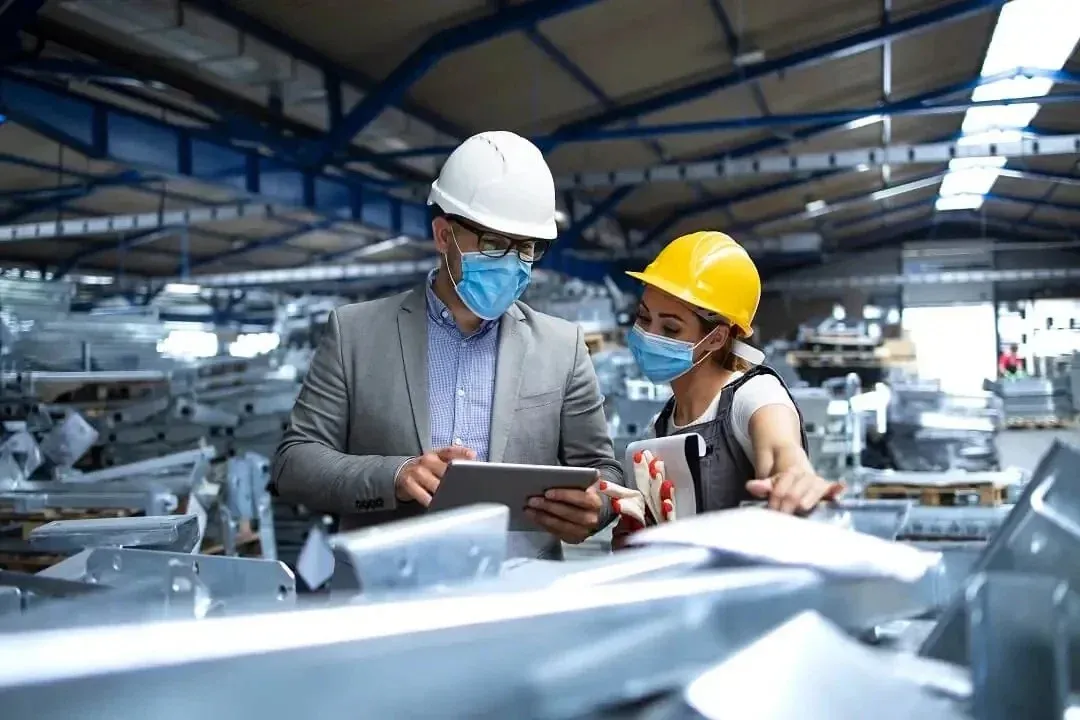
As manufacturing continues to embrace automation, digital technologies, and data-driven operations, industrial equipment has become more advanced than ever. Smart sensors, connected machines, and predictive maintenance systems help improve productivity while supporting safe and reliable production environments.
This guide explains what an Industrial Equipment Supplier is, the types of equipment commonly provided, key industries served, quality considerations, maintenance practices, technological advancements, and future trends shaping smart manufacturing and engineering.
What Is an Industrial Equipment Supplier?
An Industrial Equipment Supplier provides machinery, tools, components, and industrial systems used in manufacturing, processing, construction, transportation, and infrastructure projects. These organizations support businesses by making specialized equipment available for production, maintenance, and engineering applications.
Industrial equipment commonly includes:
Pumps
Compressors
Electric motors
Industrial valves
Gearboxes
Conveyors
Hydraulic equipment
Pneumatic systems
Material handling equipment
Process control instruments
The equipment selected depends on the operational requirements of each industry.
Why Industrial Equipment Matters
Modern industries depend on reliable equipment to maintain efficient production and operational performance.
Industrial equipment supports:
Manufacturing operations
Material movement
Process automation
Energy generation
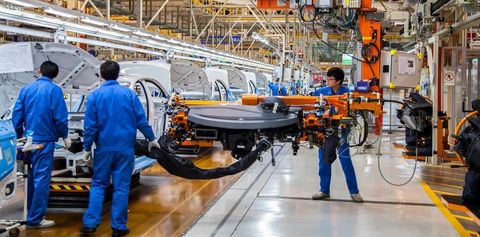
Product assembly
Infrastructure development
Equipment maintenance
Workplace productivity
Reliable equipment contributes to consistent production and improved operational efficiency.
Common Categories of Industrial Equipment
Industrial equipment is available in many categories to support different applications.
Material Handling Equipment
Material handling systems move products and raw materials throughout manufacturing facilities.
Examples include:
Conveyors
Forklifts
Hoists
Cranes
Automated guided vehicles (AGVs)
Fluid Handling Equipment
Fluid handling equipment manages the movement of liquids and gases.
Common examples include:
Pumps
Valves
Pipelines
Compressors
Flow meters
Power Transmission Equipment
These systems transfer mechanical power between machines.
Examples include:
Gearboxes
Bearings
Couplings
Chains
Belt drive systems
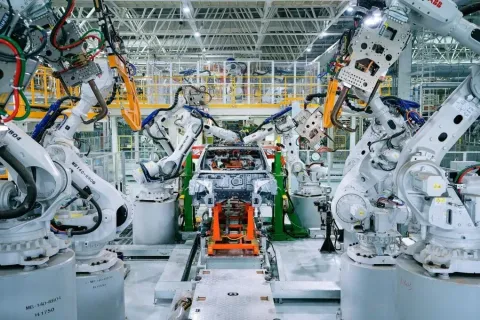
Automation Equipment
Automation systems improve manufacturing efficiency and process control.
Typical equipment includes:
Programmable logic controllers (PLCs)
Industrial robots
Sensors
Human-machine interfaces (HMIs)
Control panels
Industries Served
Industrial equipment supports a broad range of sectors.
Manufacturing
Production facilities use machinery for assembly, machining, packaging, and quality inspection.
Construction
Construction projects rely on heavy equipment, lifting systems, and power tools.
Energy
Power generation facilities use turbines, pumps, compressors, and monitoring equipment.
Chemical Processing
Chemical plants depend on reactors, heat exchangers, valves, and fluid handling systems.
Food Processing
Processing facilities use mixers, conveyors, filling equipment, and temperature control systems.
Technologies Supporting Smart Manufacturing
Modern industrial equipment increasingly incorporates advanced technologies.
Examples include:
Industrial Internet of Things (IIoT)
Artificial intelligence-assisted monitoring
Smart sensors
Robotics
Digital twins
Predictive maintenance
Cloud-based production monitoring
Real-time performance analytics
These technologies help improve productivity, reduce downtime, and enhance decision-making.
Industrial Equipment Supplier Overview
| Equipment Category | Typical Application |
|---|---|
| Material Handling | Moving products and materials |
| Fluid Handling | Managing liquids and gases |
| Power Transmission | Delivering mechanical power |
| Automation Systems | Controlling manufacturing processes |
| Process Equipment | Supporting industrial production |
| Monitoring Systems | Tracking equipment performance |
Quality Control
Quality management helps ensure industrial equipment performs reliably.
Inspection activities commonly include:
Dimensional verification
Material inspection
Functional testing
Performance evaluation
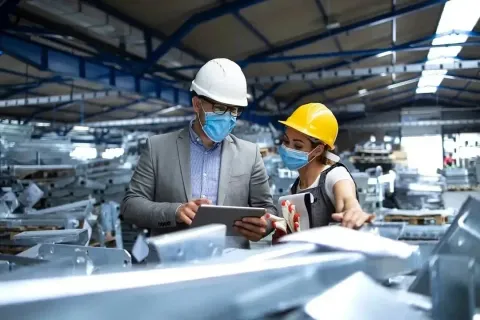
Safety checks
Documentation review
These procedures help confirm equipment meets engineering specifications.
Maintenance Considerations
Routine maintenance supports dependable equipment operation.
Typical maintenance activities include:
Lubricating moving components
Inspecting electrical systems
Monitoring vibration levels
Checking fluid systems
Replacing worn components
Reviewing equipment performance records
Preventive maintenance helps extend equipment life and improve operational reliability.
Safety Considerations
Industrial environments require careful attention to equipment safety.
Important practices include:
Following operating procedures
Inspecting machinery regularly
Using suitable protective equipment
Keeping work areas organized
Verifying emergency shutdown systems
Providing operator training
These measures contribute to safer workplaces and more reliable operations.
Environmental Considerations
Modern industries increasingly focus on environmentally responsible operations.
Common practices include:
Energy-efficient equipment
Reduced emissions
Resource conservation
Recycling of industrial materials
Efficient water usage
Process optimization
These approaches support long-term sustainability goals.
Current Industry Trends
Industrial engineering continues evolving through innovation.
Recent developments include:
Smart factories
Collaborative robots
Digital quality management
Connected manufacturing systems
Artificial intelligence-assisted maintenance
Advanced automation platforms
High-efficiency industrial equipment
These developments continue improving productivity and operational visibility.
Looking Ahead
Future industrial equipment is expected to feature greater connectivity, intelligent automation, advanced analytics, and improved energy efficiency. Innovations in robotics, machine learning, and digital process control are likely to further enhance manufacturing performance while supporting sustainable industrial development.
Why Understanding Industrial Equipment Suppliers Matters
Learning about an Industrial Equipment Supplier helps explain how industries obtain the machinery and systems needed for efficient manufacturing, construction, energy production, and engineering operations. Understanding equipment categories, maintenance practices, and technological advancements also highlights the importance of reliable machinery in modern industrial environments.
Conclusion
An Industrial Equipment Supplier plays an important role in supporting smart manufacturing and engineering by providing equipment used across numerous industries. Through precision engineering, advanced technologies, comprehensive quality control, and ongoing maintenance, industrial equipment continues to improve productivity, operational efficiency, and workplace safety. As manufacturing evolves, modern equipment and digital innovation will remain key drivers of industrial progress.