Eco Friendly Plate Making Machine Complete Guide to Sustainable Manufacturing
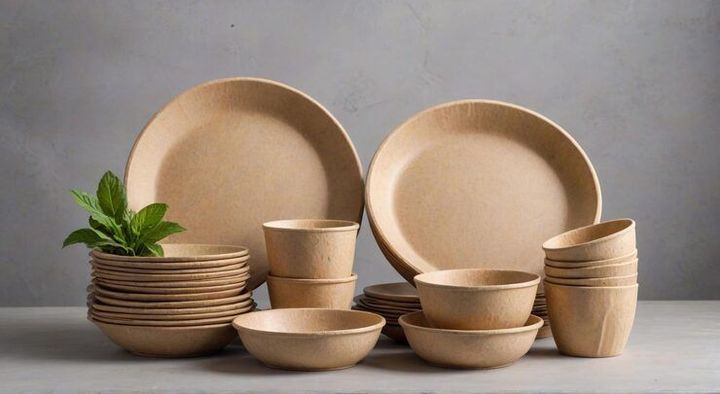
Growing environmental awareness and increasing demand for sustainable packaging have encouraged manufacturers to adopt alternatives to conventional disposable products. An Eco Friendly Plate Making Machine is industrial equipment designed to produce biodegradable or compostable plates from natural and renewable materials.
These machines support efficient production while helping reduce dependence on single-use plastic products.
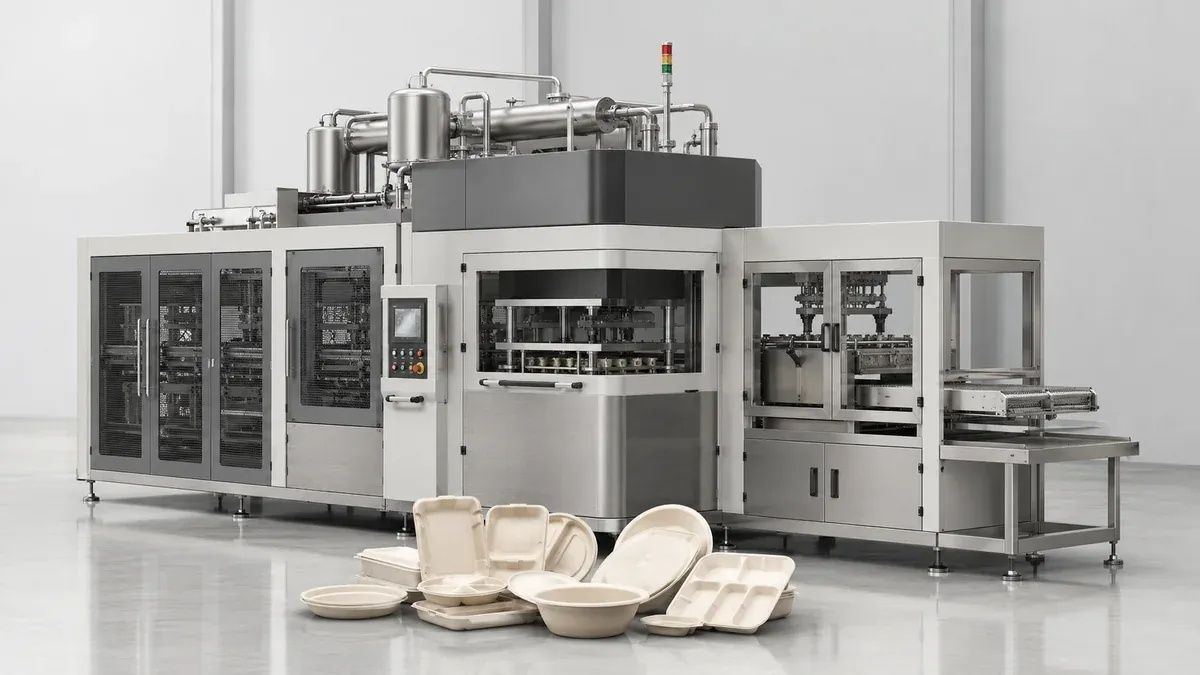
Modern plate-making machines combine automated forming systems, precision temperature control, hydraulic or pneumatic technology, and energy-efficient operation to manufacture plates in various sizes and shapes. They are widely used by businesses producing tableware from materials such as bagasse, areca leaves, paper pulp, bamboo fiber, and other plant-based resources.
This guide explains Eco Friendly Plate Making Machines, their working principles, major components, applications, maintenance practices, safety considerations, and the latest innovations in sustainable manufacturing technology.
What Is an Eco Friendly Plate Making Machine?
An Eco Friendly Plate Making Machine is specialized manufacturing equipment used to shape biodegradable materials into disposable plates through processes such as molding, pressing, and heat forming. The finished products are intended for food-serving applications while supporting environmentally responsible manufacturing.
These machines commonly process materials including:
Sugarcane bagasse
Areca leaves
Paper pulp
Bamboo fiber
Wheat straw
Palm leaves
Molded fiber
Agricultural residues
Compostable plant fibers
Recycled paper pulp
The production process varies depending on the raw material and the machine design.
Why Eco Friendly Plate Making Machines Matter
Sustainable manufacturing continues to gain importance across the packaging industry.
Eco Friendly Plate Making Machines help:
Support biodegradable product manufacturing
Reduce plastic waste
Improve production consistency
Increase manufacturing efficiency
Utilize renewable raw materials
Promote environmentally responsible production
These advantages contribute to more sustainable packaging solutions.
How an Eco Friendly Plate Making Machine Works
The manufacturing process generally follows several controlled stages.
Raw Material Preparation
Natural fibers or pulp are prepared and processed into a suitable forming material.
Molding and Forming
The material is placed into molds where heat and pressure shape it into plates.
Pressing
Hydraulic or pneumatic systems apply consistent pressure to achieve the desired thickness and finish.
Drying or Cooling
Depending on the production method, the formed plates are dried or cooled to stabilize their shape.
Inspection and Packaging
Finished plates are inspected for quality before being stacked and packaged.
Types of Plate Making Machines
Different machine types are available for various production requirements.
Hydraulic Plate Making Machine
Uses hydraulic pressure to produce uniform plate shapes with consistent quality.
Pneumatic Plate Making Machine
Employs compressed air systems for efficient molding operations.
Automatic Plate Making Machine
Performs feeding, forming, pressing, and stacking with minimal manual intervention.
Semi-Automatic Plate Making Machine
Combines automated functions with operator-assisted processes.
Multi-Station Plate Making Machine
Supports higher production volumes through multiple forming stations operating simultaneously.
Main Components
Modern Eco Friendly Plate Making Machines include several integrated systems.
Key components include:
Feeding system
Hydraulic or pneumatic unit
Heating elements
Forming molds
Control panel
Temperature controller
Pressure system
Conveyor
Cooling section
Safety sensors
Each component contributes to efficient and consistent production.
Applications Across Industries
Eco Friendly Plate Making Machines support a wide range of industries.
Food Packaging
Biodegradable plates are widely used for serving meals at restaurants, cafés, and food events.
Catering Industry
Large-scale catering operations use disposable plant-based tableware for convenience and waste reduction.
Hospitality
Hotels and resorts may incorporate compostable tableware in selected dining environments.
Event Management
Outdoor events, festivals, and community gatherings often use biodegradable serving products.
Retail Distribution
Manufactured plates are supplied to supermarkets, wholesalers, and packaging distributors.
Technologies Supporting Modern Plate Manufacturing
Today's Eco Friendly Plate Making Machines increasingly incorporate advanced technologies.
Examples include:
Industrial Internet of Things (IIoT)
Automated temperature control
Smart pressure monitoring
Touchscreen control systems
Production data analytics
Predictive maintenance software
Remote equipment diagnostics
Energy management systems
These technologies improve operational efficiency while supporting product consistency.
Eco Friendly Plate Making Machine Overview
| Production Stage | Primary Purpose |
|---|---|
| Raw Material Preparation | Prepare biodegradable materials |
| Forming | Shape plates using molds |
| Pressing | Achieve desired thickness and finish |
| Drying or Cooling | Stabilize finished products |
| Inspection | Verify product quality |
| Packaging | Prepare products for distribution |
Quality Control
Quality assurance is essential throughout production.
Inspection activities commonly include:
Dimensional verification
Surface finish inspection
Strength testing
Thickness measurement
Temperature monitoring
Production consistency evaluation
These procedures help maintain reliable manufacturing quality.
Maintenance Considerations
Routine maintenance supports dependable machine performance.
Typical maintenance includes:
Cleaning molds
Inspecting hydraulic or pneumatic systems
Checking heating elements
Calibrating temperature controllers
Monitoring pressure systems
Reviewing maintenance records
Preventive maintenance helps improve equipment reliability and reduce production interruptions.
Safety Considerations
Plate-making machines operate with heated surfaces, hydraulic systems, and moving mechanical components.
Important safety practices include:
Follow operating procedures.
Wear suitable protective equipment.
Inspect machine guards regularly.
Monitor temperature and pressure systems.
Disconnect power before maintenance.
Perform routine safety inspections.
These measures contribute to safe manufacturing operations.
Environmental Benefits
Using biodegradable materials supports more sustainable production.
Common environmental advantages include:
Reduced plastic consumption
Use of renewable raw materials
Lower landfill impact
Improved compostability of finished products
Better resource utilization
Support for circular economy initiatives
These benefits contribute to environmentally responsible manufacturing practices.
Current Industry Trends
Sustainable packaging technology continues to evolve.
Recent developments include:
Fully automated production lines
Artificial intelligence-assisted quality inspection
Smart factory integration
High-efficiency heating systems
Energy-saving production equipment
Digital process monitoring
Sustainable material innovation
These developments continue improving manufacturing efficiency and environmental performance.
Looking Ahead
Future Eco Friendly Plate Making Machines are expected to feature greater automation, enhanced energy efficiency, improved artificial intelligence integration, and broader compatibility with innovative biodegradable materials. Advances in digital manufacturing and sustainable processing technologies will continue to support efficient and environmentally responsible production.
Why Understanding Eco Friendly Plate Making Machines Matters
Learning about an Eco Friendly Plate Making Machine provides valuable insight into the technologies supporting sustainable packaging and biodegradable tableware production. Understanding machine operation, materials, quality control, and environmental benefits helps explain how modern manufacturing contributes to reducing environmental impact while meeting growing demand for eco-conscious products.
Conclusion
An Eco Friendly Plate Making Machine plays an important role in modern sustainable manufacturing by producing biodegradable plates from renewable materials through efficient and controlled production processes. With automation, intelligent monitoring, quality management, and environmentally responsible design, these machines support the transition toward greener packaging solutions. As sustainability continues to shape the manufacturing sector, eco-friendly plate-making technology will remain a key contributor to responsible industrial development.