Finance Courses Complete Guide to Building Strong Financial Knowledge
Money plays an important role in everyday life, whether it involves saving for future goals, managing household expenses, understanding investments, or making business decisions. As financial systems become more connected through digital banking, online payments, and global markets, learning the basics of finance has become increasingly valuable.
This is one reason many people explore Finance Courses to strengthen their understanding of financial concepts.
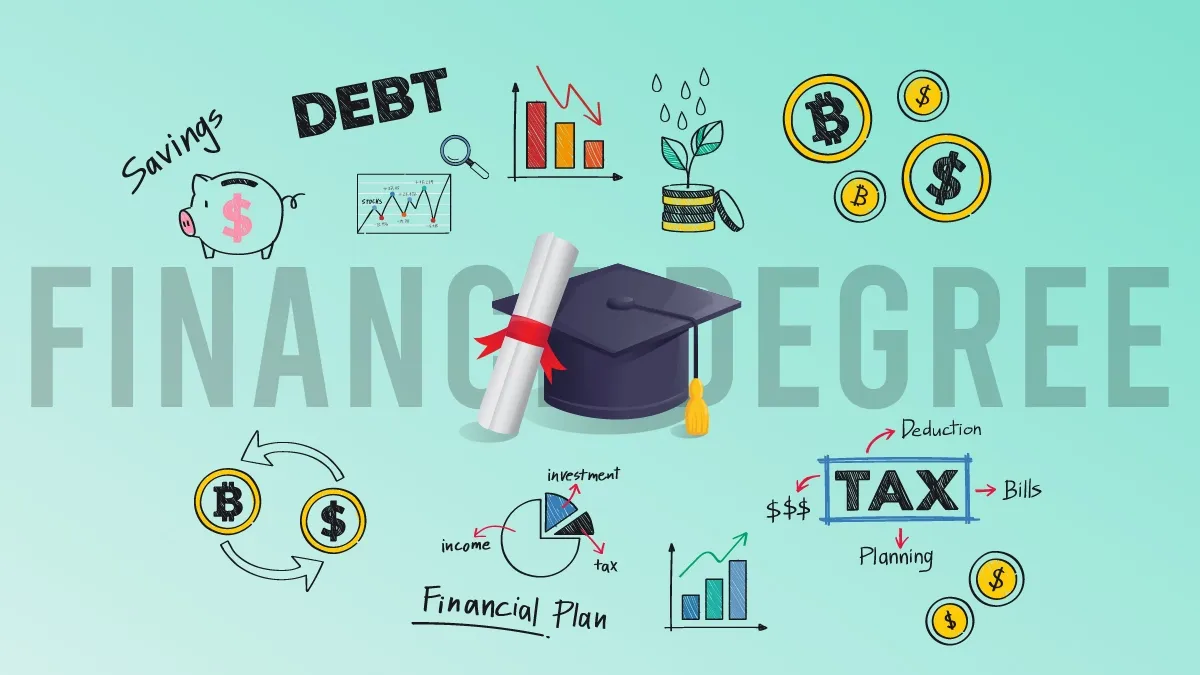
Finance is much more than numbers and calculations. It includes budgeting, financial planning, investment principles, risk management, business finance, and economic decision-making. Finance courses introduce these subjects through structured learning that combines theoretical knowledge with practical examples.
This guide explains what finance courses are, the topics they cover, different learning formats, practical skills they help develop, and how financial knowledge supports personal and professional growth.
What Are Finance Courses?
Finance Courses are educational programs that teach the principles of managing money, understanding financial systems, interpreting financial information, and making informed financial decisions. These courses are suitable for learners with different experience levels, from beginners exploring financial basics to individuals seeking more advanced knowledge.
Finance education can support both personal money management and business-related financial planning.
Common areas of study include:
Personal finance
Corporate finance
Investment fundamentals
Financial planning
Banking systems
Financial markets
Accounting basics
Budget management
Risk management
Financial analysis
Some programs provide a broad introduction, while others focus on specialized financial topics.
Why Financial Knowledge Matters
Every individual and organization makes financial decisions regularly. These decisions may involve budgeting, saving, investing, borrowing, or planning for future expenses.
Understanding financial concepts helps people:
Make informed decisions
Interpret financial information
Plan future expenses
Understand market changes
Evaluate financial risks
Develop long-term financial habits
Strong financial knowledge also supports confident decision-making in both personal and business situations.
Topics Covered in Finance Courses
Finance courses usually introduce learners to several core subjects.
Financial Fundamentals
Most courses begin with basic financial principles, including income, expenses, assets, liabilities, and financial planning.
These concepts provide the foundation for more advanced topics.
Personal Finance
Personal finance focuses on managing everyday financial responsibilities.
Typical subjects include:
Budget creation
Saving strategies
Emergency funds
Debt management
Retirement planning
Financial goal setting
These lessons help individuals understand responsible money management.
Corporate Finance
Corporate finance examines how businesses manage financial resources.
Topics often include:
Financial statements
Capital planning
Business budgeting
Cash flow management
Investment evaluation
Financial decision-making
These concepts support understanding of business operations.
Investment Basics
Investment education introduces learners to common investment concepts.
Examples include:
Stocks
Bonds
Mutual funds
Exchange-traded funds
Portfolio diversification
Risk and return
The emphasis is on understanding principles rather than predicting market outcomes.
Financial Markets
Finance courses also explain how financial markets operate.
Learners study:
Stock exchanges
Bond markets
Currency markets
Interest rates
Economic indicators
Market participants
Understanding these systems provides useful context for broader financial discussions.
Learning Formats
Finance courses are available in several learning styles.
Classroom Learning
Traditional classroom instruction allows direct interaction with instructors and fellow learners.
Online Learning
Digital learning platforms make finance education accessible from many locations.
Self-Paced Learning
Some programs allow participants to complete lessons according to their own schedules.
Interactive Workshops
Practical workshops encourage discussion, financial exercises, and real-world examples.
Different learning formats support different educational preferences.
Practical Learning Activities
Finance education often includes practical exercises that reinforce theoretical concepts.
Examples include:
Budget preparation
Financial statement analysis
Investment simulations
Cash flow planning
Financial forecasting
Risk assessment
These activities help learners apply financial knowledge to realistic situations.
Technology in Modern Finance
Technology has transformed financial education and financial management.
Modern finance courses may introduce tools such as:
Budgeting software
Financial planning applications
Spreadsheet analysis
Banking platforms
Investment tracking tools
Financial dashboards
Understanding these technologies helps learners navigate today's digital financial environment.
Skills Developed Through Finance Courses
Finance education supports a variety of valuable skills.
Common examples include:
Financial analysis
Critical thinking
Problem-solving
Data interpretation
Budget planning
Decision-making
Organization
Analytical reasoning
These skills remain useful across many industries and personal financial situations.
Industries That Use Financial Knowledge
Financial understanding supports work in many sectors.
Banking
Banking professionals work with financial transactions, customer accounts, and lending activities.
Manufacturing
Manufacturers use financial planning to manage production expenses and operational budgets.
Healthcare
Healthcare organizations monitor financial planning, budgeting, and resource allocation.
Education
Educational institutions manage financial planning for facilities, research, and academic programs.
Technology
Technology companies analyze financial performance while planning future growth.
Finance Courses Overview
| Learning Area | Primary Focus |
|---|---|
| Financial Fundamentals | Core financial concepts |
| Personal Finance | Everyday money management |
| Corporate Finance | Business financial planning |
| Investment Basics | Understanding investment principles |
| Financial Markets | Market structure and operation |
| Risk Management | Identifying financial uncertainties |
Benefits of Finance Courses
People study finance for many practical reasons.
Common advantages include:
Better understanding of financial systems
Improved budgeting skills
Stronger analytical thinking
Greater confidence with financial information
Better planning abilities
More informed financial decisions
These improvements contribute to stronger financial awareness over time.
Emerging Trends
Finance continues evolving alongside advances in technology.
Recent developments include:
Artificial intelligence in finance
Digital banking
Financial automation
Data analytics
Financial technology applications
Mobile financial management
Blockchain technology
Finance courses increasingly include discussions of these emerging topics.
Looking Ahead
Technology, global markets, and changing economic conditions continue influencing financial systems. Future finance education is expected to place greater emphasis on digital finance, responsible financial decision-making, data analysis, and financial technology.
As these developments continue, financial knowledge will remain valuable for individuals, businesses, and organizations across many sectors.
Why Understanding Finance Courses Matters
Financial decisions influence everyday life, from managing household budgets to understanding business operations and long-term planning. Learning financial principles helps people interpret information more confidently and make thoughtful decisions based on sound knowledge.
Whether the goal is personal financial improvement or a deeper understanding of business finance, structured learning provides a strong foundation for lifelong financial awareness.
Conclusion
Finance Courses provide structured learning that introduces budgeting, financial planning, investment principles, business finance, financial markets, and analytical thinking. Through practical exercises, technology-based learning, and real-world examples, these courses help learners develop valuable financial knowledge that supports informed decision-making in both personal and professional settings. As financial systems continue evolving, finance education will remain an important resource for understanding the modern financial world.