Real Estate Property Management Platform Complete Guide to Smarter Property Operations
Managing residential, commercial, and mixed-use properties involves coordinating multiple day-to-day activities, including lease administration, maintenance scheduling, financial tracking, tenant communication, and regulatory compliance.
A Real Estate Property Management Platform brings these functions together in a centralized digital system, helping property owners, managers, and real estate professionals organize operations more efficiently.
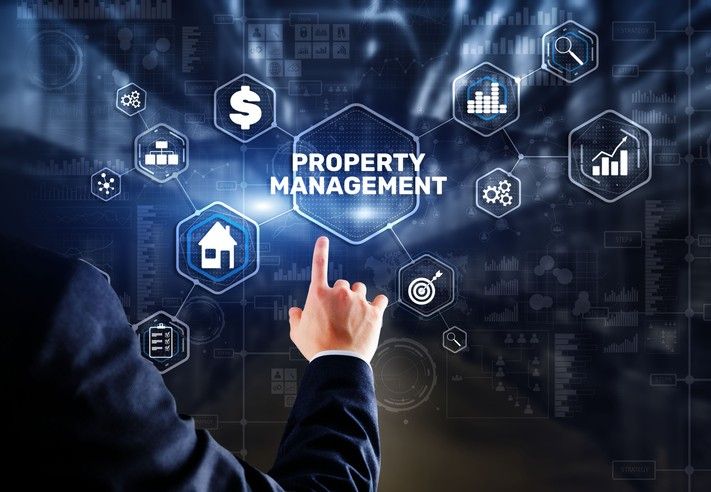
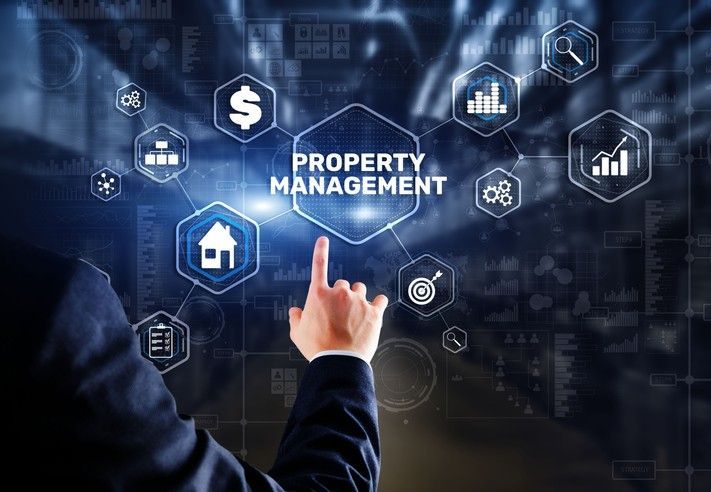
Modern property management platforms combine cloud computing, automation, artificial intelligence (AI), mobile access, and data analytics to simplify administrative tasks and improve operational visibility. Whether managing a single building or a large portfolio, these platforms support informed decision-making through real-time information and streamlined workflows.
This guide explains what a Real Estate Property Management Platform is, its core features, benefits, applications, maintenance considerations, security practices, and the latest trends shaping digital property management.
What Is a Real Estate Property Management Platform?
A Real Estate Property Management Platform is software designed to help manage property-related operations from a single interface. It centralizes information about properties, leases, maintenance requests, financial records, inspections, and communication while supporting day-to-day administrative activities.
Typical platform capabilities include:
Property portfolio management
Lease administration
Tenant communication
Maintenance scheduling
Work order management
Financial reporting
Document storage
Inspection tracking
Vendor coordination
Performance analytics
The available features vary depending on the software and property management requirements.
Why Property Management Platforms Matter
Digital property management supports more organized and efficient operations.
A Real Estate Property Management Platform can help:
Centralize operational information
Improve workflow efficiency
Simplify maintenance coordination
Enhance communication
Support financial oversight
Improve reporting accuracy
These advantages help property managers oversee multiple responsibilities more effectively.
How a Property Management Platform Works
Most platforms follow a structured workflow.
Property Registration
Property details, unit information, and ownership records are entered into the system.
Lease Management
Lease terms, renewal dates, and occupancy information are stored for easy access.
Maintenance Coordination
Maintenance requests are recorded, assigned, tracked, and documented through work order management.
Financial Management
The platform records operational expenses, income, invoices, and financial reports.
Reporting and Analytics
Dashboards provide insights into occupancy, maintenance performance, financial trends, and operational activity.
Core Features
Modern platforms include a range of integrated tools.
Key features often include:
Centralized property database
Lease tracking
Digital document management
Maintenance request portal
Inspection scheduling
Financial dashboards
Mobile accessibility
Automated notifications
Calendar management
Data analytics
Together, these features support more efficient property administration.
Applications Across Real Estate
Property management platforms support different property types.
Residential Properties
Manage apartments, condominiums, housing communities, and rental units.
Commercial Buildings
Coordinate office buildings, retail spaces, and business complexes.
Mixed-Use Developments
Manage residential and commercial spaces within the same property.
Student Accommodation
Track occupancy, maintenance, and lease periods for educational housing.
Industrial Properties
Organize warehouse, logistics, and industrial facility management activities.
Technologies Supporting Modern Property Management
Today's property management platforms increasingly incorporate advanced technologies.
Examples include:
Cloud computing
Artificial intelligence
Machine learning
Internet of Things (IoT)
Mobile applications
Predictive maintenance
Digital document automation
Business intelligence dashboards
These technologies improve operational efficiency and data accessibility.
Real Estate Property Management Platform Overview
| Management Area | Primary Purpose |
|---|---|
| Property Records | Organize property information |
| Lease Management | Track agreements and renewals |
| Maintenance | Coordinate repairs and inspections |
| Financial Reporting | Monitor operational finances |
| Communication | Support tenant and vendor interaction |
| Analytics | Improve decision-making |
Data Security Considerations
Property management systems often store important operational information.
Helpful security practices include:
Enable multi-factor authentication where available.
Use strong account passwords.
Assign role-based access permissions.
Regularly update software.
Back up important records.
Monitor system access logs.
These practices help protect digital information and maintain operational continuity.
Maintenance and System Updates
Maintaining the software supports long-term performance.
Routine activities may include:
Updating platform software
Reviewing user permissions
Verifying data accuracy
Monitoring integrations
Testing backup procedures
Reviewing system performance
Regular maintenance contributes to reliable platform operation.
Current Industry Trends
Digital property management continues to evolve.
Recent developments include:
AI-assisted workflow automation
Smart building integration
IoT-enabled maintenance monitoring
Digital lease management
Predictive analytics
Mobile-first management tools
Cloud-based collaboration
These innovations continue improving efficiency and operational visibility.
Looking Ahead
Future Real Estate Property Management Platforms are expected to feature deeper artificial intelligence integration, enhanced predictive analytics, expanded smart building connectivity, and more advanced automation. Digital twins, sustainability reporting, and intelligent maintenance scheduling are also likely to become increasingly important in modern property operations.
Why Understanding Property Management Platforms Matters
Learning about a Real Estate Property Management Platform helps property owners, managers, and real estate professionals understand how digital tools support efficient administration, maintenance coordination, financial oversight, and informed decision-making. A centralized platform can simplify complex workflows while improving operational organization.
Conclusion
A Real Estate Property Management Platform is an important digital solution for managing residential, commercial, and mixed-use properties. By combining centralized data management, automation, analytics, and cloud-based accessibility, these platforms help streamline property operations and improve efficiency. As technology continues to advance, digital property management systems will play an increasingly significant role in supporting smarter, more connected real estate operations.