Recycling Machinery Guide: Types, Applications, Costs & How to Choose the Right Equipment in 2026
As industries and communities focus more on resource recovery and waste reduction, Recycling Machinery has become an important part of modern material processing.
From plastic and paper to metal, glass, and electronic waste, recycling equipment helps transform discarded materials into reusable resources.
The growing volume of waste generated worldwide has increased the need for efficient recycling operations. However, selecting suitable machinery can be challenging because different materials require different processing methods. Understanding equipment types, applications, operating expenses, and selection factors can help organizations make informed decisions.
This guide explains how recycling machinery works, the major categories of equipment available, common applications, and practical considerations when choosing machinery for recycling operations.
What Is Recycling Machinery?
Recycling Machinery refers to equipment used to collect, sort, process, reduce, separate, and prepare waste materials for reuse in manufacturing or other production activities.
The primary goal of recycling equipment is to convert discarded materials into forms that can be processed again rather than being sent to landfills.
Depending on the material being handled, machinery may perform tasks such as:
Sorting materials
Shredding waste
Crushing materials
Compacting recyclables
Washing materials
Separating contaminants
Granulating plastics
Preparing reusable raw materials
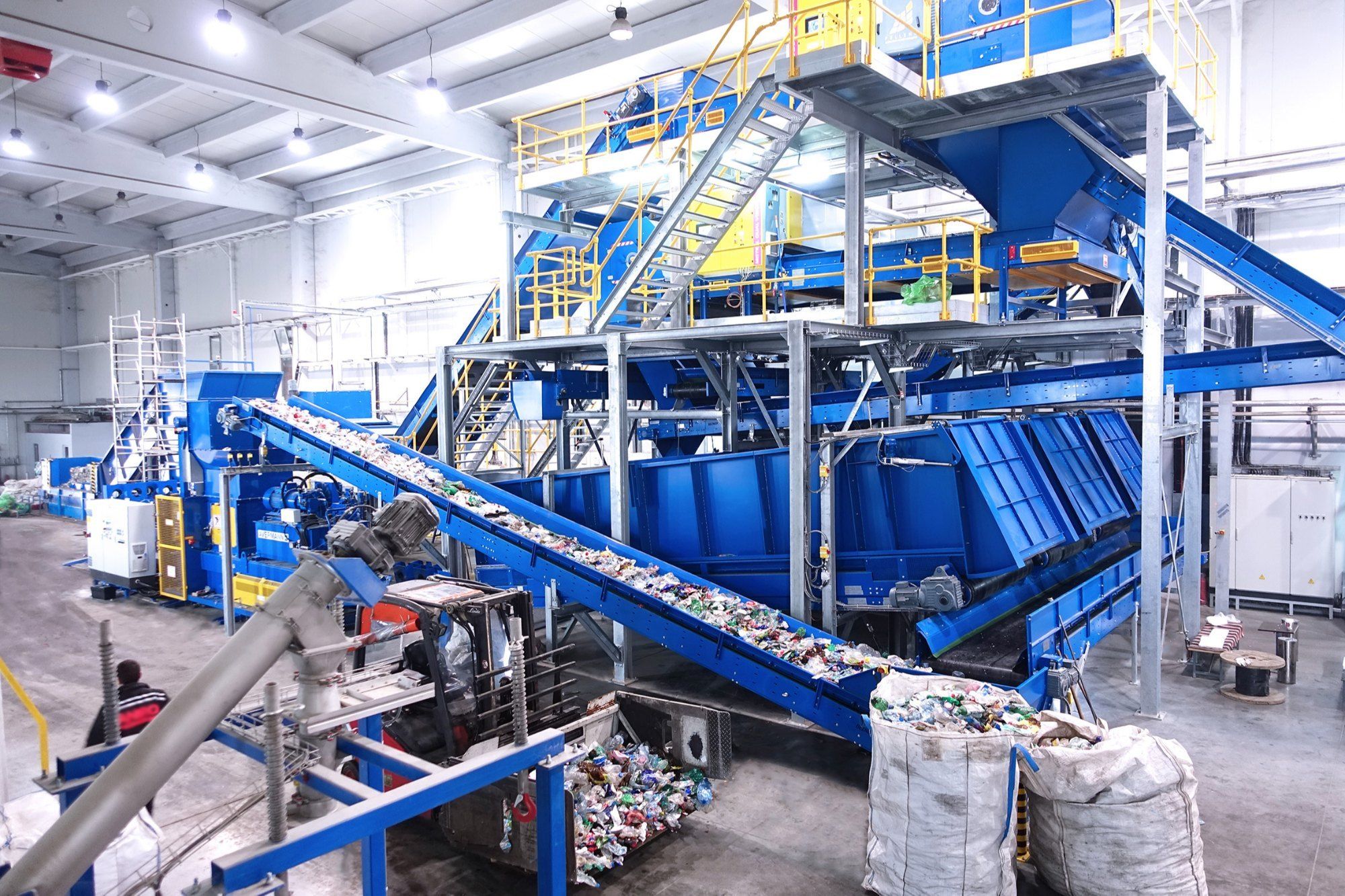
Different facilities often use multiple machines together as part of a complete recycling line.
Why Recycling Machinery Matters
Modern recycling operations rely heavily on machinery to improve efficiency and consistency.
Some important benefits include:
Improved Material Recovery
Equipment can help separate recyclable materials from mixed waste streams.
Reduced Waste Volume
Machines such as compactors and balers reduce storage and transportation requirements.
Better Processing Efficiency
Automation helps process larger quantities of materials within shorter periods.
Environmental Benefits
Recycling helps conserve natural resources and reduce landfill usage.
Consistent Material Quality
Proper processing helps create more uniform recycled materials for future manufacturing.
These advantages make recycling equipment an important part of sustainable waste management systems.
Main Types of Recycling Machinery
Different recycling operations require different equipment.
Shredders
Shredders are among the most common machines used in recycling facilities.
Their purpose is to reduce large materials into smaller pieces.
Applications include:
Plastic recycling
Tire recycling
Wood recycling
Electronic waste processing
Metal recycling
Material size reduction often improves handling and downstream processing.
Crushers
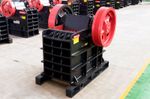
Crushers break materials into smaller fragments.
They are commonly used for:
Glass
Concrete
Construction debris
Certain metal materials
Crushing equipment helps prepare materials for further processing stages.
Balers
Balers compress recyclable materials into compact bundles.
Common materials include:
Cardboard
Paper
Plastic film
Aluminum cans
Compressed bales simplify storage and transportation.
Granulators
Granulators create smaller, uniform particles from plastic materials.
These machines are frequently used in plastic recycling operations.
Processed material can often be used in future manufacturing applications.
Screening Equipment
Screening systems separate materials according to size.
This process helps improve sorting accuracy and processing efficiency.
Washing Systems
Contaminated materials often require cleaning before further processing.
Washing systems remove:
Dirt
Labels
Residue
Organic matter
Clean materials generally achieve higher quality standards.
Magnetic Separators
Magnetic separation equipment removes ferrous metals from mixed material streams.
These systems play an important role in metal recovery operations.
Optical Sorting Systems
Advanced facilities often use optical technology to identify and separate materials automatically.
These systems may distinguish:
Plastic types
Colors
Material categories
Automation can improve sorting precision and throughput.
Common Applications of Recycling Machinery
Recycling equipment supports numerous industries and waste streams.
Plastic Recycling
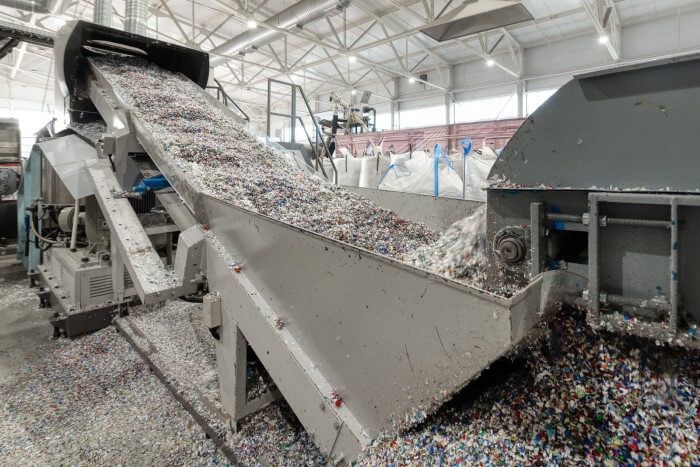
Plastic processing often involves:
Sorting
Washing
Shredding
Granulating
Processed plastic may then be used as raw material in future manufacturing.
Metal Recycling
Metal recycling equipment handles:
Steel
Aluminum
Copper
Mixed metals
Recovery of metal materials helps conserve natural resources.
Paper Recycling
Paper recycling systems process:
Newspapers
Cardboard
Office paper
Packaging materials
Machinery helps prepare materials for pulp production.
Glass Recycling
Glass recycling commonly includes crushing and sorting processes.
Recovered glass can often be reused in various manufacturing applications.
Electronic Waste Processing
Electronic waste contains numerous recyclable components.
Specialized equipment helps separate:
Metals
Plastics
Circuit board materials
Electronic waste recycling requires careful handling due to complex material composition.
Understanding Equipment Expenses
One of the most important considerations when evaluating recycling machinery is the overall financial commitment.
Several factors influence expenses.
Equipment Size
Larger machines generally require greater investment and installation resources.
Processing Capacity
Higher-capacity systems often involve more advanced components and larger operating footprints.
Automation Features
Automated systems may improve efficiency but can increase initial expenditure.
Material Type
Equipment designed for specialized materials may involve additional complexity.
Maintenance Requirements
Regular maintenance contributes to long-term performance and reliability.
Energy Consumption
Energy requirements can influence operating expenses over time.
When evaluating machinery, organizations often consider both initial expenditure and long-term operational factors.
Factors to Consider Before Choosing Recycling Machinery
Selecting equipment requires careful planning.
Material Type
The first consideration is the material being processed.
Examples include:
Plastic
Metal
Glass
Paper
Electronic waste
Construction debris
Different materials require different processing methods.
Processing Volume
Expected throughput helps determine appropriate machine capacity.
Small facilities may require different equipment compared to large industrial operations.
Available Space
Equipment dimensions and facility layout influence installation planning.
Space considerations include:
Machine footprint
Material storage
Maintenance access
Safety zones
Automation Requirements
Organizations should evaluate whether manual, semi-automated, or automated systems align with operational goals.
Future Expansion
Planning for future growth can help avoid equipment limitations later.
Scalable systems may support evolving operational needs.
Safety Considerations
Recycling machinery often processes large volumes of material and operates under demanding conditions.
Important safety considerations include:
Operator Training
Proper training supports safe equipment operation.
Protective Equipment
Workers may require appropriate protective gear depending on the materials handled.
Emergency Systems
Emergency stop functions help improve workplace safety.
Maintenance Procedures
Routine inspections help identify wear and potential issues before they become serious problems.
Safety remains a critical aspect of every recycling operation.
Maintenance and Long-Term Performance
Regular maintenance supports machinery reliability and operational efficiency.
Common maintenance activities include:
Lubrication
Component inspection
Cleaning
Belt checks
Blade replacement
Sensor inspection
Preventive maintenance often reduces unexpected downtime and helps extend equipment lifespan.
Facilities that follow structured maintenance schedules frequently experience more consistent performance.
Trends Shaping Modern Recycling Equipment
Technology continues to influence recycling operations worldwide.
Emerging developments include:
Artificial Intelligence
AI-assisted systems can improve material recognition and sorting accuracy.
Automation
Automated handling systems reduce manual intervention in certain processes.
Data Monitoring
Digital monitoring tools provide performance insights and maintenance information.
Energy Efficiency
Manufacturers increasingly focus on reducing energy consumption.
Smart Sorting Systems
Advanced sensors and imaging technologies continue to improve separation capabilities.
These developments are helping recycling facilities operate more efficiently and effectively.
Conclusion
Recycling Machinery plays a vital role in modern waste management and resource recovery. From shredders and crushers to balers, washing systems, and advanced sorting technologies, different equipment types support a wide range of recycling applications.
Selecting suitable machinery requires evaluating material type, processing volume, operational goals, available space, maintenance requirements, and long-term expenses. Understanding these factors helps organizations make informed decisions that support efficient recycling operations.
As recycling technologies continue to evolve, modern equipment is becoming more automated, efficient, and capable of handling increasingly complex waste streams. Careful planning and equipment selection can contribute to more effective material recovery and sustainable resource management.