Heat Exchangers in the Chemical Industry Complete Guide to Thermal Process Efficiency
Temperature control is one of the most important aspects of modern chemical processing. Many industrial operations require heating, cooling, condensation, or evaporation to maintain product quality and process stability.
Heat Exchangers in the Chemical Industry play a vital role by transferring heat between fluids without allowing them to mix. This controlled heat transfer improves energy efficiency, supports consistent production, and helps maintain safe operating conditions.
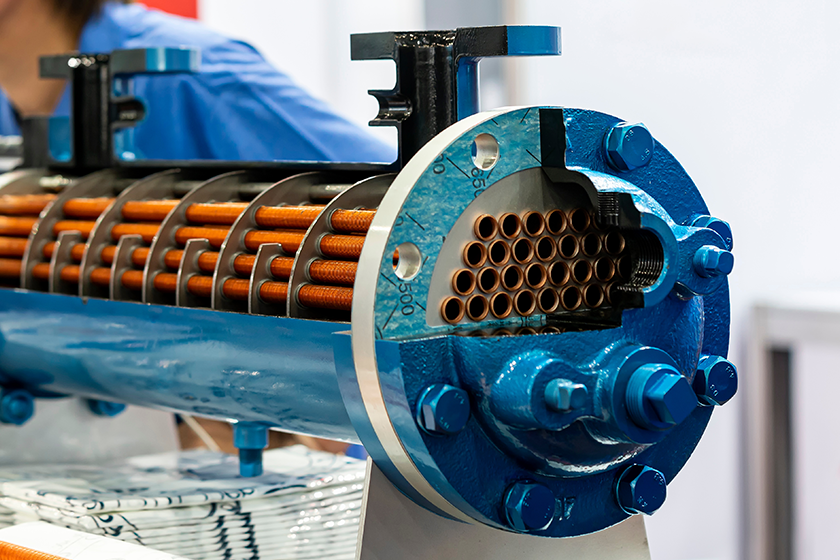
Modern heat exchangers are designed using advanced engineering, corrosion-resistant materials, and digital monitoring systems. They are used in chemical processing plants, petroleum refining, pharmaceutical production, food processing, power generation, and many other industries where precise temperature management is essential.
This guide explains Heat Exchangers in the Chemical Industry, their working principles, common types, components, applications, maintenance practices, safety considerations, and future developments in thermal process technology.
What Are Heat Exchangers in the Chemical Industry?
Heat Exchangers in the Chemical Industry are specialized pieces of equipment that transfer heat from one fluid to another while keeping the fluids separated. Depending on the production process, they may be used for heating, cooling, condensing, or recovering thermal energy.
Heat exchangers support numerous industrial operations, including:
Chemical reactions
Process cooling
Product heating
Condensation
Evaporation
Solvent recovery
Steam generation
Waste heat recovery
Refrigeration systems
Utility services
Their ability to manage temperature efficiently makes them a key part of many manufacturing facilities.
Why Heat Exchangers Matter
Many chemical processes require precise temperature control to maintain product consistency and equipment performance.
Heat exchangers help:
Improve thermal efficiency
Recover usable heat energy
Maintain stable process temperatures
Reduce energy consumption
Support continuous production
Protect sensitive equipment from overheating
These advantages contribute to efficient and reliable industrial operations.
How Heat Exchangers Work
Although designs vary, most heat exchangers follow the same basic operating principle.
Fluid Entry
Two fluids at different temperatures enter separate flow passages within the heat exchanger.
Heat Transfer
Heat moves through a metal surface from the hotter fluid to the cooler fluid without direct mixing.
Temperature Adjustment
As heat is transferred, one fluid cools while the other warms until the required process temperature is achieved.
Fluid Exit
Both fluids leave the equipment and continue to the next stage of the manufacturing process.
This continuous heat transfer supports efficient thermal management throughout production.
Common Types of Heat Exchangers
Different designs are selected according to process requirements.
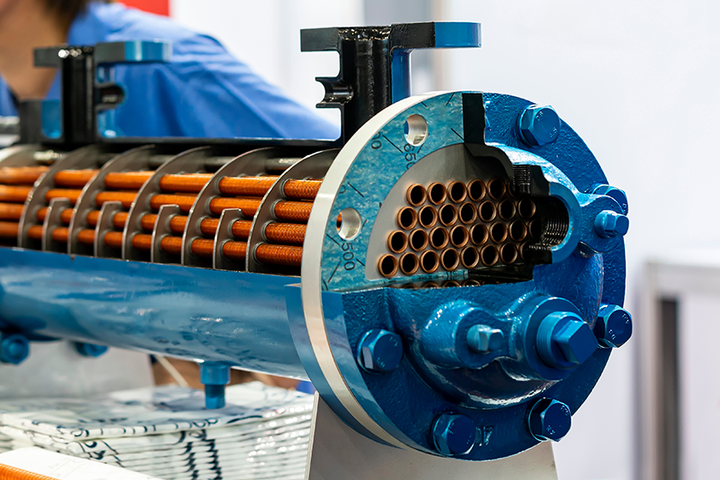
Shell and Tube Heat Exchangers
These units contain bundles of tubes enclosed within a shell. One fluid flows through the tubes while the other circulates around them.
Common applications include:
Chemical processing
Petroleum refining
Power generation
Plate Heat Exchangers
Thin metal plates create channels that allow efficient heat transfer between fluids.
They are commonly used where compact equipment and high thermal efficiency are important.
Air-Cooled Heat Exchangers
These systems use ambient air instead of water to remove heat from industrial processes.
Double Pipe Heat Exchangers
One pipe is positioned inside another, allowing heat transfer between two flowing fluids. They are often used in smaller process systems.
Main Components
A heat exchanger includes several key components that support efficient operation.
Important parts include:
Heat transfer surfaces
Tubes or plates
Shell or frame
Headers
Inlet and outlet connections
Gaskets
Support structures
Temperature monitoring devices
Each component contributes to dependable thermal performance.
Materials Used
Material selection depends on operating temperature, pressure, and fluid compatibility.
Common construction materials include:
Stainless steel
Carbon steel
Titanium
Copper alloys
Nickel alloys
Duplex stainless steel
Appropriate material selection helps improve durability and corrosion resistance.
Applications Across Industries
Heat exchangers are used in many industrial sectors.
Chemical Processing
They regulate temperatures during reactions, separation processes, and product preparation.
Pharmaceutical Manufacturing
Temperature control helps maintain consistent production conditions for pharmaceutical products.
Food Processing
Heat exchangers support pasteurization, cooling, and other temperature-controlled operations.
Petroleum Refining
Refineries use heat exchangers for crude oil processing, distillation, and energy recovery.
Power Generation
Thermal systems rely on heat exchangers for steam production, cooling, and energy management.
Technologies Supporting Modern Heat Exchangers
Today's thermal systems increasingly incorporate advanced digital technologies.
Examples include:
Industrial Internet of Things (IIoT)
Smart temperature sensors
Automated process controls
Digital performance monitoring
Artificial intelligence-assisted diagnostics
Predictive maintenance systems
Remote equipment monitoring
Process optimization software
These technologies improve efficiency while supporting reliable operation.
Heat Exchangers in the Chemical Industry Overview
| Process Stage | Primary Purpose |
|---|---|
| Fluid Entry | Introduces process fluids |
| Heat Transfer | Exchanges thermal energy |
| Temperature Control | Maintains process conditions |
| Cooling or Heating | Achieves target temperatures |
| Monitoring | Tracks operating performance |
| Fluid Exit | Transfers fluids to the next process stage |
Quality Control
Quality inspection helps maintain dependable thermal performance.
Common inspection activities include:
Pressure testing
Leak detection
Temperature verification
Flow measurement
Corrosion inspection
Performance evaluation
These procedures help confirm reliable equipment operation.
Maintenance Considerations
Routine maintenance supports long-term equipment performance.
Typical maintenance includes:
Cleaning heat transfer surfaces
Inspecting tubes or plates
Checking gaskets and seals
Monitoring pressure levels
Verifying temperature readings
Reviewing operating records
Regular maintenance helps maintain thermal efficiency and reduce unexpected downtime.
Safety Considerations
Heat exchangers often operate under elevated temperatures and pressures.
Important safety practices include:
Following operating procedures
Inspecting equipment regularly
Monitoring pressure and temperature
Using suitable protective equipment
Maintaining emergency shutdown systems
Recording maintenance activities
These measures contribute to safe industrial operations.
Environmental Considerations
Modern facilities increasingly focus on improving energy efficiency and reducing environmental impact.
Common practices include:
Waste heat recovery
Efficient energy management
Water conservation
Emissions reduction
Process optimization
Resource conservation
These approaches support more sustainable industrial operations.
Current Industry Trends
Thermal process technology continues advancing through innovation.
Recent developments include:
Compact heat exchanger designs
Smart thermal monitoring
Advanced corrosion-resistant materials
Artificial intelligence-assisted process optimization
Connected manufacturing systems
Digital maintenance planning
High-efficiency heat recovery technologies
These developments continue improving process efficiency and operational reliability.
Looking Ahead
Future heat exchanger technology is expected to include greater automation, enhanced digital monitoring, intelligent diagnostics, and improved materials capable of operating under more demanding conditions. Continued advances in energy recovery and process optimization are also likely to improve efficiency across chemical manufacturing facilities.
Why Understanding Heat Exchangers in the Chemical Industry Matters
Learning about Heat Exchangers in the Chemical Industry provides valuable insight into how modern manufacturing facilities control temperature throughout complex production processes. From chemical reactions and cooling systems to energy recovery and process optimization, heat exchangers contribute to efficient, reliable, and safe industrial operations.
Understanding their design, applications, and maintenance also highlights the importance of thermal engineering in modern manufacturing.
Conclusion
Heat Exchangers in the Chemical Industry are essential components of modern industrial production, enabling efficient heat transfer for heating, cooling, condensation, and energy recovery. Through precision engineering, advanced materials, digital monitoring, and regular maintenance, these systems help maintain consistent process conditions across a wide range of industries. As thermal technologies continue to evolve, heat exchangers will remain central to improving efficiency, sustainability, and operational performance.