Industrial Heating Installers Complete Guide to Modern Heating System Solutions
Industrial heating systems are essential for maintaining controlled temperatures in manufacturing, processing, warehousing, energy production, and commercial facilities. Many industrial processes depend on reliable heating to support production efficiency, equipment performance, and workplace comfort.
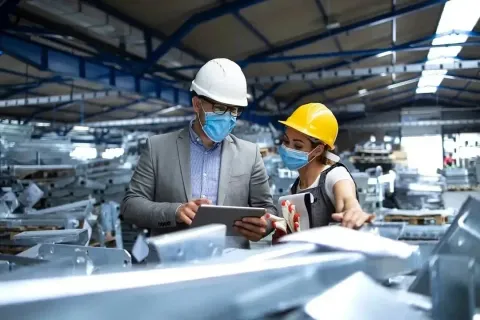
Industrial Heating Installers play an important role in planning, installing, testing, and maintaining heating systems designed for large-scale industrial environments.
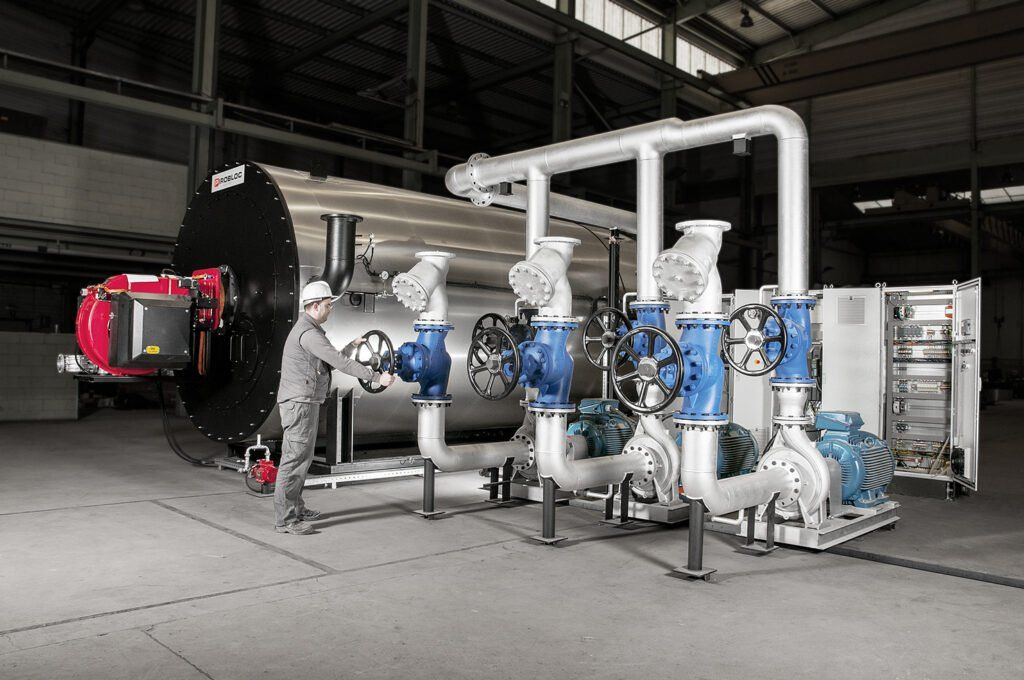
Modern industrial heating solutions incorporate energy-efficient technologies, digital controls, smart monitoring, and automated temperature management. These advancements help facilities maintain stable operating conditions while improving system performance and supporting sustainable energy use.
This guide explains Industrial Heating Installers, the types of heating systems used in industrial facilities, installation considerations, maintenance practices, safety measures, and emerging technologies shaping modern heating solutions.
What Are Industrial Heating Installers?
Industrial Heating Installers are professionals and organizations that install heating equipment and related systems for industrial, manufacturing, commercial, and infrastructure facilities. Their work involves integrating heating technologies that meet the operational requirements of different industries.
Industrial heating systems commonly include:
Industrial boilers
Heat exchangers
Process heaters
Warm air heating units
Radiant heating systems
Steam heating systems
Electric heating equipment
Thermal fluid heating systems
Unit heaters
Infrared heating systems
The type of system selected depends on the facility layout, heating requirements, and industrial processes.
Why Industrial Heating Systems Matter
Many industries require stable temperatures to maintain production quality, equipment efficiency, and employee comfort.
Industrial heating systems help:
Maintain process temperatures
Support manufacturing operations
Improve workplace comfort
Protect equipment during cold conditions
Enhance energy management
Improve operational efficiency
Reliable heating contributes to consistent industrial performance throughout the year.
Types of Industrial Heating Systems
Different heating technologies are designed for specific industrial applications.
Steam Heating Systems
Steam systems transfer heat efficiently across large facilities and are commonly used in manufacturing and process industries.
Hot Water Heating Systems
These systems circulate heated water through pipes to provide controlled heating for industrial buildings and equipment.
Radiant Heating Systems
Radiant systems transfer heat directly to people, machinery, and surfaces, making them suitable for large open spaces.
Electric Heating Systems
Electric heaters provide controlled heating for industrial equipment, laboratories, and specialized production processes.
Thermal Fluid Heating Systems
These systems circulate heat transfer fluids for applications requiring precise temperature control without using steam.
Key Components
Industrial heating systems include several integrated components.
Common components include:
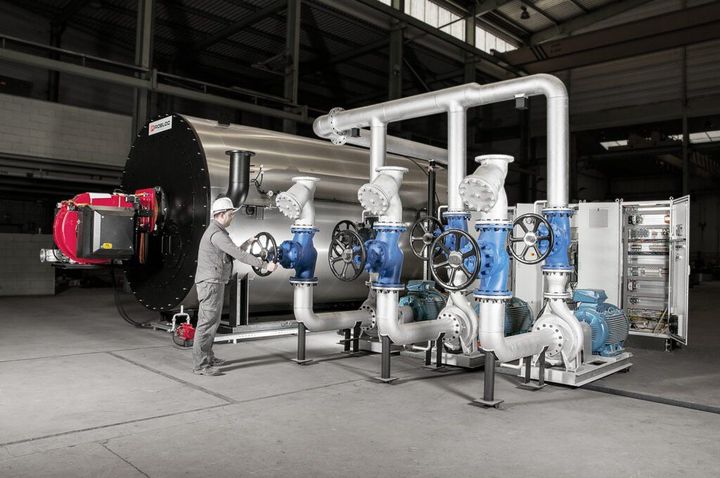
Boilers
Burners
Heat exchangers
Pumps
Control valves
Thermostats
Temperature sensors
Insulated piping
Expansion tanks
Digital control panels
Each component contributes to reliable heat generation and distribution.
Installation Process
Heating system installation generally follows several structured stages.
Site Assessment
Engineers evaluate the facility layout, heating requirements, and energy demands.
System Design
Heating equipment is selected and positioned according to operational requirements and building design.
Equipment Installation
Heating units, piping, controls, and supporting systems are installed following engineering specifications.
Testing and Commissioning
The completed system undergoes inspection, performance testing, and calibration before regular operation begins.
Applications Across Industries
Industrial heating systems support numerous sectors.
Manufacturing
Factories use heating systems for production processes, drying operations, and climate control.
Chemical Processing
Heating equipment maintains process temperatures required for chemical reactions and material processing.
Food Processing
Controlled heating supports cooking, drying, sterilization, and sanitation operations.
Warehousing
Large storage facilities use heating systems to maintain suitable environmental conditions.
Energy Production
Power generation facilities use industrial heating equipment for steam production and process support.
Technologies Supporting Modern Heating Systems
Today's industrial heating systems increasingly incorporate advanced technologies.
Examples include:
Industrial Internet of Things (IIoT)
Smart thermostats
Digital temperature monitoring
Automated process controls
Predictive maintenance systems
Energy management software
Remote equipment monitoring
Artificial intelligence-assisted optimization
These technologies improve operational efficiency while supporting reliable temperature control.
Industrial Heating Installers Overview
| System Component | Primary Function |
|---|---|
| Boiler | Generates heat |
| Heat Exchanger | Transfers thermal energy |
| Pump | Circulates heating medium |
| Control System | Regulates temperature |
| Sensors | Monitor operating conditions |
| Distribution Network | Delivers heat throughout the facility |
Quality Control
Quality management helps ensure dependable heating system performance.
Inspection activities commonly include:
Pressure testing
Temperature verification
Flow measurement
Leak inspection
Equipment performance evaluation
Control system testing
These procedures help confirm proper system operation.
Maintenance Considerations
Routine maintenance supports long-term heating system reliability.
Typical maintenance includes:
Inspecting boilers
Cleaning heat exchangers
Checking pumps and valves
Monitoring sensors
Verifying insulation
Reviewing operating records
Preventive maintenance helps reduce unexpected downtime and improve equipment lifespan.
Safety Considerations
Industrial heating systems often operate at elevated temperatures and pressures.
Important safety practices include:
Following operating procedures
Inspecting equipment regularly
Monitoring pressure and temperature
Using suitable protective equipment
Maintaining emergency shutdown systems
Recording maintenance activities
These measures contribute to safe industrial operations.
Environmental Considerations
Modern heating systems increasingly emphasize energy efficiency and environmental responsibility.
Common practices include:
Energy-efficient heating equipment
Heat recovery systems
Improved insulation
Efficient fuel utilization
Emissions monitoring
Smart energy management
These approaches support reduced energy consumption and improved sustainability.
Current Industry Trends
Industrial heating technology continues advancing through innovation.
Recent developments include:
Smart building integration
Artificial intelligence-assisted energy management
Connected heating equipment
Hybrid heating systems
Digital maintenance platforms
High-efficiency boilers
Renewable energy integration
These developments continue improving heating performance and operational efficiency.
Looking Ahead
Future industrial heating systems are expected to feature greater automation, enhanced digital connectivity, advanced energy optimization, and increased integration with renewable energy technologies. Intelligent monitoring systems and predictive maintenance are also likely to improve system reliability while supporting more sustainable industrial operations.
Why Understanding Industrial Heating Installers Matters
Learning about Industrial Heating Installers provides valuable insight into how modern industrial facilities maintain safe and efficient heating systems. From system design and installation to maintenance and digital monitoring, these professionals help ensure reliable thermal management across manufacturing, processing, warehousing, and energy production environments.
Conclusion
Industrial Heating Installers play an essential role in implementing modern heating solutions for industrial and commercial facilities. Through precision installation, advanced heating technologies, digital monitoring, comprehensive maintenance, and energy-efficient system design, they help support reliable industrial operations. As heating technologies continue to evolve, modern industrial heating systems will remain an important part of efficient and sustainable facility management.