Graco Chemical Pumps Complete Guide to Safe and Efficient Fluid Transfer
Fluid handling is an essential part of modern industrial operations. Manufacturing facilities, water treatment plants, chemical processing units, agriculture, and many other industries rely on specialized pumping equipment to move liquids safely and accurately.
Graco Chemical Pumps are widely recognized for supporting controlled fluid transfer across a variety of industrial applications where precision, durability, and reliability are important.
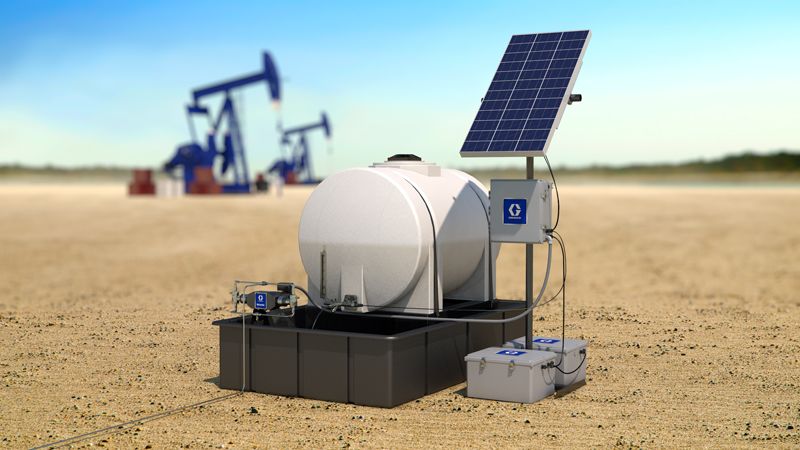
Modern chemical pumps are designed to handle liquids with different viscosities and chemical properties while maintaining consistent flow rates. Advances in pump engineering, automation, and digital monitoring have improved operational efficiency and supported safer fluid management practices.
This guide explains Graco Chemical Pumps, how they work, their main components, common pump types, industrial applications, maintenance practices, safety considerations, and current developments in fluid transfer technology.
What Are Graco Chemical Pumps?
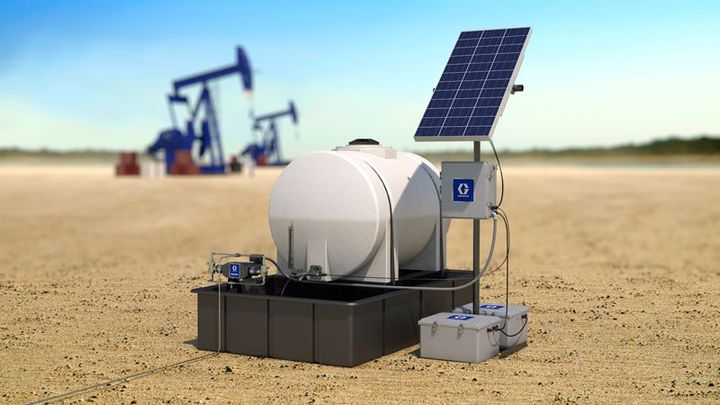
Graco Chemical Pumps are industrial pumping systems designed to transfer, circulate, meter, or dispense a wide range of chemical fluids. They are used in environments where accurate fluid movement and dependable performance are essential.
These pumps are commonly used for handling:
Industrial chemicals
Water treatment solutions
Cleaning liquids
Coatings
Adhesives
Lubricants
Solvents
Process fluids
Corrosion-resistant liquids
Specialty formulations
Different pump models are selected according to the characteristics of the fluid and the operational requirements.
Why Chemical Pumps Matter
Accurate fluid transfer helps maintain consistent industrial processes and supports equipment performance.
Chemical pumps help:
Maintain controlled flow rates
Support accurate liquid transfer
Reduce unnecessary product loss
Improve process consistency
Handle various fluid viscosities
Support automated production systems
These capabilities make chemical pumps an important part of many industrial operations.
How Graco Chemical Pumps Work
Although pump designs vary, most chemical pumps operate through a similar sequence.
Fluid Intake
The pump draws liquid from a storage tank or processing vessel through the inlet.
Pumping Action
Mechanical components create pressure that moves the liquid through the pump body.
Flow Regulation
Control systems help maintain the desired flow rate and pressure for the application.
Fluid Discharge
The liquid exits through the outlet and is delivered to the next stage of the process.
Continuous monitoring helps maintain stable operation throughout the transfer cycle.
Common Types of Chemical Pumps
Different pumping technologies are used depending on the application.
Diaphragm Pumps
Diaphragm pumps use flexible diaphragms to move liquids and are suitable for handling a variety of chemical fluids.
Piston Pumps
Piston pumps generate high pressure and are often used where precise fluid movement is required.
Peristaltic Pumps
These pumps move liquid through flexible tubing, helping minimize direct contact between the fluid and pump components.
Transfer Pumps
Transfer pumps are designed for moving liquids efficiently between storage containers, tanks, and production equipment.
Main Components
A chemical pump typically consists of several important components.
Key parts include:
Pump housing
Inlet connection
Outlet connection
Diaphragm or piston
Valves
Seals
Drive mechanism
Pressure controls
Flow control system
Each component contributes to reliable and consistent fluid movement.
Materials Used
Pump materials are selected according to the properties of the fluids being handled.
Common construction materials include:
Stainless steel
Polypropylene
Polyvinylidene fluoride (PVDF)
Polytetrafluoroethylene (PTFE)
Aluminum
Engineered plastics
Proper material selection helps improve compatibility with different chemical formulations.
Applications Across Industries
Graco Chemical Pumps are used in a wide range of industries.
Chemical Processing
Pumps transfer raw materials and finished process fluids throughout manufacturing operations.
Water Treatment
Treatment facilities use chemical pumps for controlled dosing and fluid circulation.
Manufacturing
Industrial facilities use pumps for coatings, cleaning solutions, and production processes.
Agriculture
Fluid transfer equipment supports irrigation systems, nutrient application, and other agricultural processes.
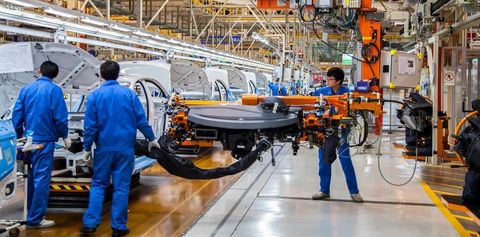
Automotive
Chemical pumps are used during coating, cleaning, and component manufacturing processes.
Technologies Supporting Modern Pump Systems
Today's chemical pumping systems increasingly incorporate advanced technologies.
Examples include:
Digital pump controls
Smart sensors
Industrial Internet of Things (IIoT)
Automated flow monitoring
Predictive maintenance systems
Remote equipment diagnostics
Real-time performance monitoring
Process automation
These technologies help improve operational visibility and system reliability.
Graco Chemical Pumps Overview
| System Component | Primary Function |
|---|---|
| Inlet | Draws fluid into the pump |
| Pump Mechanism | Creates fluid movement |
| Valves | Regulate flow direction |
| Pressure Control | Maintains operating pressure |
| Outlet | Delivers fluid to the process |
| Monitoring System | Tracks operating performance |
Quality Control
Quality inspection supports dependable pump performance.
Common inspection activities include:
Flow rate verification
Pressure testing
Leak inspection
Material compatibility evaluation
Seal inspection
Functional performance testing
These procedures help confirm reliable operation under intended conditions.
Maintenance Considerations
Routine maintenance helps maintain efficient equipment performance.
Typical maintenance includes:
Inspecting seals
Cleaning pump components
Checking valves
Monitoring operating pressure
Verifying flow accuracy
Reviewing operating records
Regular maintenance supports equipment reliability and long-term performance.
Safety Considerations
Chemical pumping systems often operate with pressurized fluids and specialized process materials.
Important safety practices include:
Following operating procedures
Inspecting equipment before operation
Using suitable protective equipment
Monitoring pressure levels
Maintaining clean work areas
Confirming emergency shutdown functions
These measures contribute to safe industrial operations.
Current Industry Trends
Fluid transfer technology continues advancing through innovation.
Recent developments include:
Smart pumping systems
Artificial intelligence-assisted monitoring
Connected industrial equipment
Automated chemical dosing
Energy-efficient pump designs
Advanced corrosion-resistant materials
Digital maintenance planning
These developments continue improving operational efficiency and process consistency.
Looking Ahead
Future chemical pump technology is expected to feature greater automation, intelligent diagnostics, advanced materials, and enhanced digital connectivity. Improvements in predictive maintenance, remote monitoring, and energy-efficient operation are also likely to support safer and more efficient industrial fluid handling.
Why Understanding Graco Chemical Pumps Matters
Learning about Graco Chemical Pumps provides valuable insight into modern fluid transfer systems used across manufacturing, water treatment, agriculture, and industrial processing. Understanding pump types, operating principles, materials, and maintenance practices helps explain how controlled fluid movement supports reliable industrial operations.
Conclusion
Graco Chemical Pumps play an important role in modern industrial fluid transfer by supporting accurate, consistent, and dependable movement of chemical liquids across a wide range of applications. Through precision engineering, advanced materials, digital monitoring, and routine maintenance, these pumping systems continue to contribute to efficient manufacturing and process operations. As industrial technology evolves, chemical pumps will remain an essential component of safe and effective fluid management.