Property Management Complete Guide to Efficient Real Estate Operations and Tenant Care
Owning or managing real estate involves much more than maintaining buildings. Residential apartments, office spaces, retail centers, warehouses, and mixed-use developments all require regular attention to remain organized, safe, and comfortable for the people who use them.
Daily activities such as maintenance planning, tenant communication, financial record keeping, and property inspections are all part of effective Property Management.
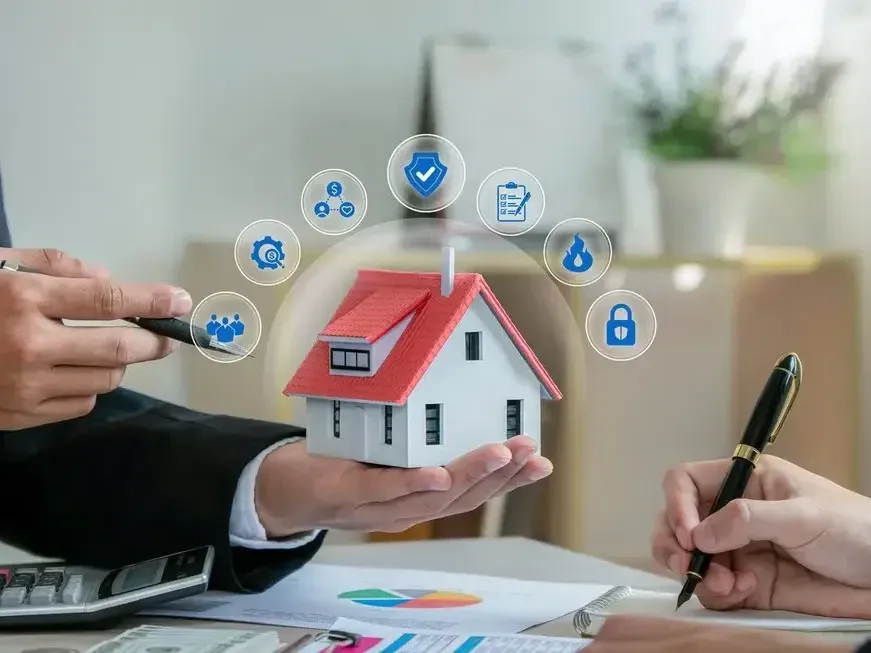
Property management combines organization, communication, planning, and technology to support the smooth operation of real estate. Whether managing a single residential building or a large commercial portfolio, structured management practices help maintain property value and create positive experiences for tenants.
This guide explains what property management is, how it works, its key responsibilities, modern technology, benefits, challenges, and future trends.
What Is Property Management?
Property Management is the process of overseeing the daily operation, maintenance, administration, and organization of residential, commercial, industrial, or mixed-use properties. It includes coordinating maintenance activities, managing tenant relationships, maintaining financial records, monitoring building conditions, and ensuring that properties remain functional and well organized.
Property management applies to many types of real estate, including:
Apartment communities
Office buildings
Retail centers
Warehouses
Industrial facilities
Mixed-use developments
Student housing
Vacation properties
Healthcare facilities
Residential neighborhoods
Each property type has its own operational requirements and management priorities.
Why Property Management Matters
Buildings require continuous attention to remain safe, functional, and attractive. Without organized management, routine maintenance may be delayed, communication can become difficult, and operational records may become incomplete.
Property Management helps property owners and managers:
Organize daily operations
Maintain building conditions
Improve tenant communication
Plan maintenance activities
Track financial records
Support long-term property planning
These responsibilities contribute to stable and efficient property operations.
How Property Management Works
Although every property is different, the management process usually follows several key steps.
Tenant Communication
Managers maintain regular communication with tenants regarding maintenance updates, building information, and community announcements.
Clear communication helps address questions and maintain positive relationships.
Property Inspections
Regular inspections help identify maintenance needs before they become larger concerns.
Inspection records also support long-term planning.
Maintenance Coordination
Routine maintenance includes activities such as plumbing repairs, electrical inspections, landscaping, cleaning, painting, and equipment maintenance.
Scheduled maintenance helps preserve building condition.
Financial Administration
Property managers maintain records related to budgets, operating expenses, utility payments, and financial reporting.
Accurate financial information supports informed decision-making.
Key Responsibilities
Property Management includes many daily responsibilities.
Maintenance Planning
Maintenance schedules help ensure that buildings, equipment, and shared facilities remain in good condition.
Preventive maintenance often reduces unexpected repairs.
Tenant Relations
Managers communicate with tenants regarding questions, maintenance requests, lease information, and community updates.
Positive communication supports long-term occupancy and cooperation.
Lease Administration
Property managers organize lease documents, renewal dates, important records, and compliance requirements.
Digital document management simplifies record keeping.
Financial Management
Financial activities include budgeting, expense tracking, rent collection records, and operational reporting.
Well-organized financial records support effective property planning.
Types of Property Management
Different property types require different management approaches.
Residential Property
Residential management focuses on apartments, condominiums, houses, and housing communities.
Commercial Property
Commercial buildings include offices, shopping centers, and business facilities.
Industrial Property
Industrial management supports warehouses, manufacturing facilities, and logistics centers.
Mixed-Use Property
Mixed-use developments combine residential, commercial, and recreational spaces within one location.
Technology in Property Management
Digital technology has transformed property operations.
Modern property management systems often include:
Digital maintenance requests
Online tenant portals
Financial reporting dashboards
Lease management
Document storage
Inspection tracking
These technologies improve organization while reducing paperwork.
Maintenance Management
Maintenance plays a central role in successful property management.
Common maintenance activities include:
Plumbing inspections
Electrical maintenance
Heating and cooling system checks
Roofing inspections
Landscaping
Cleaning shared spaces
Routine maintenance helps extend the useful life of building systems and equipment.
Property Management Software
Many organizations use software platforms to organize daily operations.
Common software features include:
Tenant records
Lease tracking
Maintenance scheduling
Financial reporting
Document management
Communication tools
These systems centralize important information and improve workflow efficiency.
Security and Safety
Safety is an important part of property management.
Managers often coordinate:
Building access systems
Fire safety inspections
Emergency planning
Security monitoring
Lighting inspections
Safety documentation
These activities support a secure environment for tenants and visitors.
Property Management Overview
| Area | Primary Purpose |
|---|---|
| Tenant Communication | Maintains clear communication |
| Maintenance Planning | Organizes repairs and inspections |
| Lease Administration | Manages lease records |
| Financial Management | Tracks budgets and expenses |
| Property Inspections | Evaluates building condition |
| Digital Management | Organizes operational information |
Benefits of Property Management
Well-organized property management supports many practical advantages.
Common benefits include:
Better organization of daily operations
Improved maintenance planning
Stronger communication with tenants
Accurate financial record keeping
Better building condition monitoring
More efficient workflow management
These improvements help properties remain organized and well maintained over time.
Emerging Trends
Property management continues evolving through digital innovation.
Recent developments include:
Smart building technology
Artificial intelligence for maintenance planning
Internet of Things sensors
Cloud-based management platforms
Mobile management applications
Digital inspections
Energy monitoring systems
These technologies improve operational visibility and support informed decision-making.
Looking Ahead
As cities continue growing and buildings become more connected, property management is expected to rely even more on automation, digital records, predictive maintenance, and smart building technologies. These advancements will help managers oversee complex properties while improving operational efficiency and tenant experiences.
Future developments are also expected to strengthen sustainability initiatives, energy efficiency, and data-driven facility management.
Why Understanding Property Management Matters
Real estate represents an important part of modern communities. Effective management helps maintain buildings, support tenant satisfaction, organize financial activities, and preserve property value over time.
Understanding Property Management provides valuable insight into the planning, communication, maintenance, and technology required to keep residential and commercial properties operating smoothly.
Conclusion
Property Management is a structured process that combines maintenance planning, tenant communication, financial administration, lease management, and modern technology to support efficient real estate operations. Through organized workflows, regular inspections, digital management tools, and proactive maintenance, property managers help create safe, functional, and well-maintained environments. As technology continues advancing, property management will remain an essential part of responsible real estate operations and long-term property care.