Real Estate CRM Complete Guide to Client Management and Business Growth
The real estate industry depends on strong communication, organized records, and timely follow-up. Every property inquiry, meeting, phone call, and document represents an important step in the relationship between professionals and their clients.
As businesses grow, managing this information with notebooks or spreadsheets becomes increasingly difficult. This is why many organizations use a Real Estate CRM to organize their daily activities.
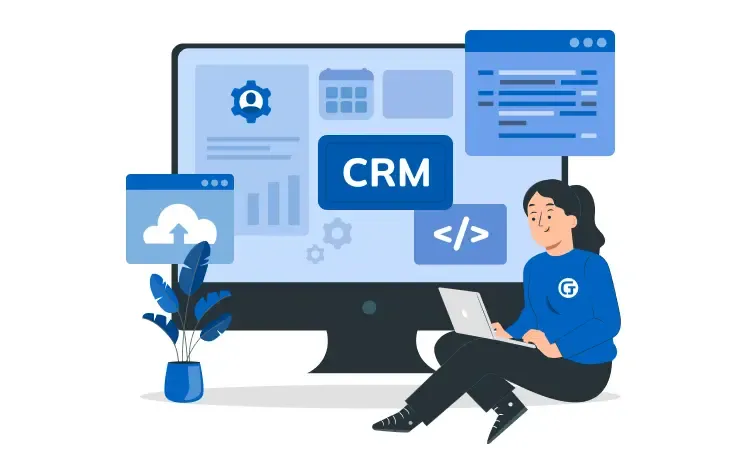
A Customer Relationship Management (CRM) system is software that helps businesses store contact information, monitor interactions, organize tasks, and keep communication records in one central location. In real estate, these tools simplify the management of clients, properties, appointments, and business workflows.
This guide explains what a Real Estate CRM is, how it works, its key features, practical applications, benefits, and the technologies supporting modern real estate management.
What Is a Real Estate CRM?
A Real Estate CRM is a digital platform designed to organize client information, communication history, property details, appointments, and business activities. It allows real estate professionals to manage relationships throughout the property journey, from the initial inquiry to long-term follow-up.
Instead of keeping information across multiple systems, a CRM creates a centralized workspace where teams can access important records quickly.
Real Estate CRM platforms are commonly used by:
Real estate agencies
Independent agents
Property consultants
Commercial real estate firms
Property managers
Real estate developers
Administrative teams
Marketing professionals
Different organizations customize CRM workflows to match their daily operations.
Why a Real Estate CRM Matters
Real estate professionals often communicate with many clients at the same time. Some may be searching for residential properties, while others are exploring commercial spaces, preparing documentation, or arranging site visits.
Keeping every interaction organized improves communication and helps prevent important details from being overlooked.
A Real Estate CRM helps users:
Organize client information
Track communication history
Schedule appointments
Manage property details
Monitor ongoing activities
Improve workflow organization
These capabilities help create a structured approach to client management.
How a Real Estate CRM Works
Although each organization follows its own workflow, the general process is similar.
Contact Registration
Every new inquiry becomes a digital contact record.
The profile may include:
Name
Contact information
Property preferences
Communication history
Notes
Appointment records
Having complete information in one location supports efficient communication.
Lead Tracking
Each inquiry progresses through predefined stages based on ongoing discussions and activities.
Visual pipelines help users understand the current status of every contact.
Task Management
The CRM organizes reminders for meetings, document preparation, follow-up communication, and other daily responsibilities.
Activity Monitoring
Emails, phone conversations, notes, and appointments are recorded within the contact profile.
This creates a complete history of client interactions.
Main Features
Modern Real Estate CRM platforms include many useful tools.
Contact Management
The CRM stores detailed client profiles together with communication records and activity history.
Property Database
Property information can be organized alongside client records, making it easier to match inquiries with available listings.
Appointment Scheduling
Built-in calendars help coordinate meetings, property visits, and internal planning sessions.
Workflow Automation
Routine activities such as reminders, task creation, and status updates can be automated using predefined rules.
Reporting Dashboards
Dashboards summarize business activity, helping teams understand current workloads and communication trends.
Communication Management
Successful real estate relationships depend on consistent communication.
CRM platforms organize communication through:
Email history
SMS records
Call notes
Meeting schedules
Internal comments
Activity timelines
Keeping these records together helps improve continuity during long client journeys.
Pipeline Management
Visual pipelines help teams organize client progress.
Typical stages include:
Initial inquiry
Qualification
Property selection
Property viewing
Documentation
Negotiation
Transaction completion
Follow-up
These stages provide a clear overview of ongoing activities.
Workflow Automation
Automation reduces repetitive administrative work.
Examples include:
Appointment reminders
Follow-up notifications
Task assignments
Status updates
Calendar synchronization
Activity reminders
Automation supports consistent business processes while allowing teams to focus on client interactions.
Reporting and Analytics
CRM systems generate reports that summarize operational activity.
Examples include:
New inquiries
Appointment statistics
Communication activity
Pipeline progress
Team productivity
Property interaction summaries
These reports help organizations understand business performance over time.
Mobile Accessibility
Many real estate professionals spend significant time outside the office.
Mobile access allows users to:
Review contact records
Update notes
Schedule appointments
Access property information
Monitor daily activities
Respond while traveling
This flexibility supports productivity from different locations.
Data Security
Client information often contains confidential business records.
Organizations typically implement:
User authentication
Access permissions
Secure data storage
Activity logs
Backup procedures
Data encryption
These practices help protect digital information while supporting responsible data management.
Real Estate CRM Overview
| Feature | Primary Purpose |
|---|---|
| Contact Management | Organizes client information |
| Property Database | Maintains property records |
| Pipeline Tracking | Monitors client progress |
| Appointment Scheduling | Coordinates meetings |
| Workflow Automation | Simplifies routine activities |
| Reporting | Summarizes business information |
Benefits of Using a Real Estate CRM
Organizations adopt CRM technology for several practical reasons.
Common advantages include:
Better organization of client information
Improved communication tracking
Simplified appointment management
Centralized property records
Structured workflow management
Better visibility into daily operations
These improvements support consistent business management across real estate organizations.
Technology Trends
CRM technology continues evolving alongside digital transformation.
Recent developments include:
Artificial intelligence-assisted communication
Predictive analytics
Cloud-based collaboration
Automated document organization
Intelligent reporting
Mobile productivity tools
Smart workflow recommendations
These innovations help businesses organize larger volumes of information more efficiently.
Looking Ahead
As cloud computing and artificial intelligence continue advancing, Real Estate CRM platforms are expected to include deeper automation, improved reporting, stronger data analysis, and enhanced collaboration tools.
These developments will continue supporting organized client management while helping businesses adapt to changing market conditions.
Why Understanding a Real Estate CRM Matters
Modern real estate depends on clear communication, accurate information, and organized workflows. A CRM provides a structured environment where professionals can manage contacts, appointments, properties, and ongoing business activities with greater efficiency.
Understanding how a Real Estate CRM works helps individuals and organizations appreciate the important role technology plays in supporting long-term client relationships and business growth.
Conclusion
A Real Estate CRM is an important business management platform that helps organize client information, property records, communication history, appointments, and workflow activities within a centralized digital environment. Through contact management, automation, reporting, and collaboration tools, it supports efficient daily operations across real estate businesses. As digital technology continues evolving, Real Estate CRM platforms will remain an important part of modern client management and sustainable business growth.