X Ray Machinery Guide of Components Applications and Imaging Processes
X-ray technology has become an essential part of modern healthcare, industrial inspection, scientific research, and security screening. By using electromagnetic radiation to create images of internal structures, X Ray Machinery helps professionals analyze objects and materials that cannot be examined through visual inspection alone.
From hospitals and diagnostic centers to manufacturing facilities and transportation hubs, X-ray systems play a vital role in improving accuracy, efficiency, and decision-making.
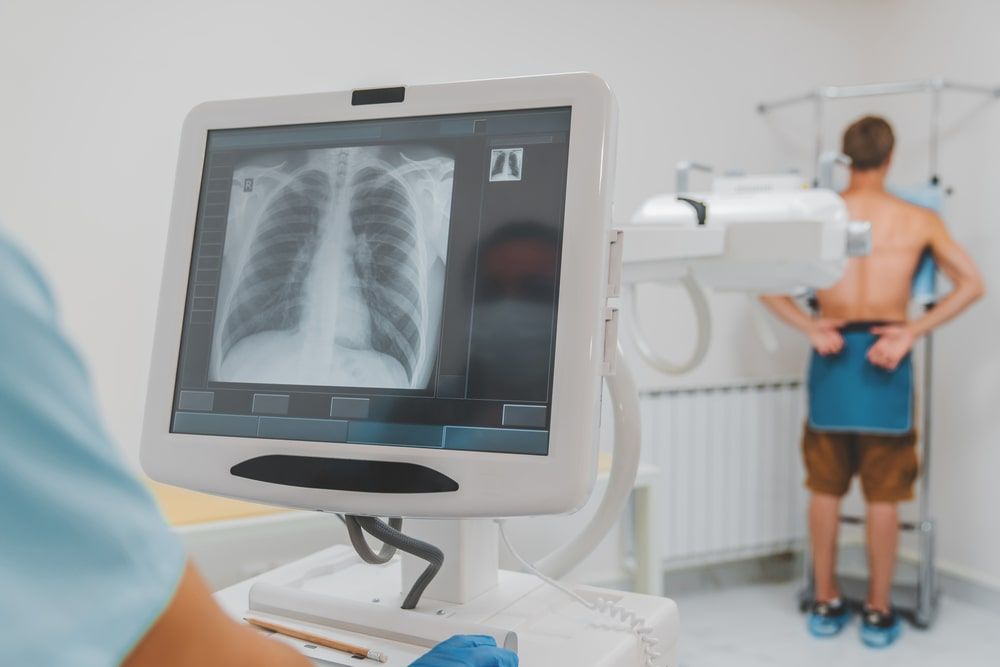
Understanding the components, applications, and imaging processes associated with X-ray machinery can provide valuable insights into how this technology supports a wide range of industries.
Note: Equipment specifications, imaging capabilities, operational procedures, and regulatory requirements vary by manufacturer, application, industry standards, and geographic region. This article is intended for educational purposes only.
What Is X Ray Machinery?
X Ray Machinery refers to equipment designed to generate and control X-rays for imaging and inspection purposes. These systems create images by directing X-ray radiation through an object and capturing the resulting data on a detector or imaging device.
X-ray systems are commonly used in:
Medical diagnostics
Dental imaging
Industrial inspection
Security screening
Scientific research
Material analysis
Aerospace testing
Manufacturing quality control
The design and functionality of the equipment vary depending on the intended application.
How X Ray Technology Works
X-ray imaging is based on the ability of different materials to absorb radiation at varying levels.
The process generally includes:
X-Ray Generation
An X-ray tube produces electromagnetic radiation.
Radiation Transmission
X-rays pass through the object being examined.
Differential Absorption
Various materials absorb radiation differently depending on density and composition.
Image Capture
A detector records the transmitted radiation.
Image Processing
Software converts the captured data into a visual image for analysis.
This process enables professionals to evaluate internal structures without physically opening or damaging the object.
Major Components of X Ray Machinery
Several components work together to create accurate images.
X-Ray Tube
Generates the X-ray radiation required for imaging.
High-Voltage Generator
Provides the electrical energy needed to operate the X-ray tube.
Control Console
Allows operators to adjust imaging parameters.
Detector System
Captures radiation data and converts it into an image.
Imaging Software
Processes and enhances captured images.
Protective Housing
Supports safe operation and equipment protection.
System configurations vary according to the application.
Types of X Ray Machinery
Different industries use specialized X-ray systems.
Medical X-Ray Systems
Used for diagnostic imaging of bones, tissues, and organs.
Dental X-Ray Equipment
Supports oral health examinations and treatment planning.
Digital Radiography Systems
Provide electronic image capture and processing.
Industrial X-Ray Systems
Inspect manufactured products and structural components.
Portable X-Ray Units
Designed for mobility and flexible deployment.
Security Screening Systems
Used at transportation hubs and secure facilities.
Each type serves specific operational needs.
Applications of X Ray Machinery
X-ray technology supports numerous professional fields.
Healthcare
Helps medical professionals assess internal anatomical structures.
Dentistry
Supports examination of teeth, jaw structures, and oral conditions.
Manufacturing
Assists with quality control and product inspection.
Aerospace
Evaluates structural integrity of critical components.
Security Operations
Screens baggage, cargo, and other items.
Scientific Research
Supports material analysis and experimental investigations.
The versatility of X-ray technology contributes to its widespread use.
X Ray Machinery Overview
| Component | Function |
|---|---|
| X-Ray Tube | Generates X-ray radiation |
| High-Voltage Generator | Powers the imaging system |
| Detector | Captures transmitted radiation |
| Control Console | Adjusts imaging settings |
| Imaging Software | Processes image data |
| Protective Housing | Supports safe operation |
Benefits of Modern X Ray Systems
Technological advancements have improved imaging capabilities significantly.
Potential advantages include:
Faster Image Acquisition
Digital systems can produce images quickly.
Enhanced Image Quality
Advanced detectors support detailed visualization.
Improved Workflow Efficiency
Digital processing streamlines image management.
Greater Data Accessibility
Images can often be stored and shared electronically.
Expanded Application Capabilities
Modern systems support a wider range of imaging tasks.
Performance depends on equipment design and operational practices.
Important Considerations for Equipment Selection
Organizations evaluating X-ray systems often consider several factors.
Intended Application
Medical, industrial, and security requirements differ significantly.
Image Quality Requirements
Resolution and detection capabilities influence system selection.
Facility Infrastructure
Space, power, and operational requirements should be assessed.
Regulatory Compliance
Applicable regulations vary by industry and region.
Maintenance Requirements
Routine servicing helps support long-term performance.
Training Needs
Proper operator education contributes to safe and effective use.
Careful evaluation can help organizations select appropriate equipment.
Current Trends in X Ray Imaging
Imaging technologies continue to advance rapidly.
Recent developments include:
Digital radiography
Artificial intelligence-assisted image analysis
Cloud-based image management
Automated inspection systems
Advanced detector technologies
Real-time imaging capabilities
Enhanced image processing software
Smart diagnostic tools
These innovations continue to expand the capabilities of X-ray systems.
Safety Considerations
Safety remains an important aspect of X-ray operations.
Common practices include:
Radiation shielding
Equipment inspections
Operator training
Regulatory compliance
Exposure monitoring
Controlled operating procedures
Safety protocols vary depending on industry requirements.
Looking Ahead
The future of X Ray Machinery is expected to include greater automation, enhanced image quality, artificial intelligence integration, and improved digital connectivity. As imaging technologies continue to evolve, X-ray systems are likely to become even more accurate, efficient, and versatile across multiple industries.
Why Understanding X Ray Machinery Matters
Understanding X Ray Machinery helps healthcare professionals, engineers, facility managers, researchers, and industry specialists evaluate technologies that support inspection, diagnostics, and analytical processes. Knowledge of imaging systems can contribute to better equipment selection and operational effectiveness.
Conclusion
X Ray Machinery is a powerful technology that supports modern healthcare, industrial inspection, security screening, and scientific research. Through advanced imaging processes, specialized components, and continuous technological innovation, X-ray systems provide valuable insights into structures that cannot be examined through conventional visual methods. As digital technologies and artificial intelligence continue to advance, X-ray machinery will remain an essential tool across a wide range of professional applications.