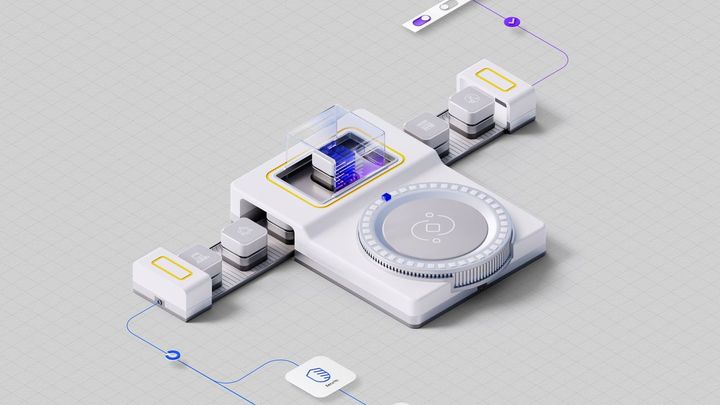
Observability Built for the AI Era Complete Guide to Intelligent System Monitoring
Artificial intelligence has transformed the way software, cloud platforms, and digital applications operate. Modern systems process enormous amounts of information every second while supporting communication, healthcare, education, finance, manufacturing, and many other industries.
As these environments become more connected and data-driven, understanding how systems behave has become increasingly important. This is where the idea of Observability Built for the AI Era comes into focus.

Observability goes beyond simply checking whether a system is running. It helps technology teams understand why something happens, where problems begin, and how different parts of an application interact. Traditional monitoring tools mainly reported known issues, while modern observability platforms combine logs, metrics, traces, and artificial intelligence to identify patterns across highly distributed environments.
This guide explains the meaning of Observability Built for the AI Era, why it matters, recent developments, regulations influencing its adoption, useful tools and resources, and common questions people ask about intelligent system monitoring.
Context
Understanding Observability
Observability is the ability to understand the internal condition of a digital system by analyzing the information it generates. Instead of relying on a single dashboard or error report, observability combines multiple sources of operational data to provide a complete picture of system behavior.
Modern applications may operate across cloud environments, mobile devices, databases, APIs, and artificial intelligence models. Because these components continuously exchange information, identifying the source of an issue can become difficult without advanced monitoring capabilities.
Why the AI Era Changed Monitoring
Artificial intelligence applications create unique operational challenges. Machine learning models process changing datasets, generate predictions, and communicate with numerous software components simultaneously.
Traditional monitoring methods focused on server health and application uptime. Today, organizations also monitor AI model performance, data quality, inference speed, resource consumption, and unexpected behavior. This broader approach is often described as Observability Built for the AI Era.
Core Components
Most observability platforms combine several types of information:
Metrics that measure system performance over time.
Logs that record events generated by applications.
Traces that follow requests as they move through different software components.
Events that document significant operational activities.
AI-driven analysis that identifies unusual patterns automatically.
Together, these data sources help explain both what happened and why it happened.
Importance
Supporting Reliable Digital Experiences
People expect websites, mobile applications, banking platforms, healthcare portals, and online learning systems to remain available throughout the day. Observability helps technology teams identify performance issues before they affect large numbers of users.
Managing Complex Technology
Modern software rarely exists as a single application. Cloud computing, containers, microservices, APIs, databases, and artificial intelligence models all interact continuously.
Observability provides visibility across these connected environments, helping organizations understand how individual components influence overall system performance.
Improving Decision-Making
Artificial intelligence produces large volumes of operational information that humans cannot manually review in real time.
Observability platforms organize this information into dashboards, reports, and automated alerts, helping technology teams make informed decisions.
Supporting Everyday Users
Although many people never interact directly with observability platforms, they benefit from improved application stability, smoother online experiences, and faster recovery when technical problems occur.
Recent Updates
Between 2024 and 2026, observability technology has continued evolving alongside artificial intelligence.
Several important developments have become more common:
AI-assisted root cause analysis that helps identify the likely source of system issues.
Predictive monitoring that estimates potential performance problems before they become more significant.
Unified observability platforms combining logs, metrics, traces, and security information into a single workspace.
Greater monitoring of large language models, including response quality, latency, and resource utilization.
Improved cloud-native observability supporting Kubernetes, containers, and serverless computing.
Expanded automation that organizes repetitive operational tasks while keeping human oversight central to decision-making.
These developments reflect the increasing complexity of modern digital infrastructure.
Laws or Policies
The exact regulations affecting observability depend on the country and industry. Although observability itself is not usually regulated directly, several legal and policy frameworks influence how operational data is collected and managed.
Organizations commonly consider regulations related to:
Privacy laws governing personal information.
Cybersecurity requirements for protecting digital infrastructure.
Healthcare data regulations when monitoring medical systems.
Financial compliance standards for transaction records.
Government cybersecurity guidance for public sector organizations.
When observability platforms process operational information containing personal or sensitive data, organizations generally apply access controls, encryption, logging, and data retention policies to support regulatory compliance.
Tools and Resources
Many platforms support modern observability environments. The choice depends on organizational requirements, system architecture, and operational goals.
Common categories include:
OpenTelemetry for collecting telemetry information across different applications.
Grafana for visual dashboards and operational reporting.
Prometheus for collecting metrics from cloud-native environments.
Elasticsearch for indexing operational logs.
Jaeger for distributed tracing.
OpenSearch for log analytics and search capabilities.
Kubernetes Dashboard for monitoring container environments.
Cloud provider monitoring platforms available from major cloud environments.
The following table summarizes common observability components.
| Component | Primary Purpose |
|---|---|
| Metrics | Measure performance and resource usage |
| Logs | Record application events |
| Traces | Track requests across systems |
| Dashboards | Visualize operational information |
| Alerts | Notify teams about unusual conditions |
| AI Analytics | Detect patterns and anomalies |
Organizations also benefit from architectural documentation, incident response templates, operational runbooks, and cloud security guidance published by recognized technology organizations.
FAQs
What does Observability Built for the AI Era mean?
Observability Built for the AI Era refers to modern monitoring approaches that combine metrics, logs, traces, and artificial intelligence to understand the behavior of complex digital systems, including AI applications.
Why is Observability Built for the AI Era important?
Modern applications involve cloud platforms, distributed software, APIs, and AI models working together. Observability helps technology teams identify issues, understand system performance, and improve operational visibility.
How is observability different from traditional monitoring?
Traditional monitoring mainly reports predefined events, such as whether a server is available. Observability analyzes multiple sources of operational data to explain why issues occur and how different system components interact.
Which industries use Observability Built for the AI Era?
Healthcare, finance, education, manufacturing, telecommunications, retail, transportation, and government organizations all use observability techniques to understand complex digital environments.
Does observability improve cybersecurity?
Observability supports cybersecurity by improving visibility into system activity. Combined with security monitoring, it helps identify unusual behavior, investigate incidents, and strengthen overall operational awareness.
Conclusion
Observability Built for the AI Era reflects the growing need to understand increasingly complex digital environments. By combining metrics, logs, traces, dashboards, and artificial intelligence, organizations gain deeper insight into application behavior and operational health. As cloud computing and AI continue evolving, observability will remain an important part of maintaining reliable, secure, and efficient digital systems while supporting informed decision-making.