Manage Construction Materials Complete Guide to Efficient Project Planning and Inventory Control
Construction projects depend on careful planning, accurate scheduling, and organized resource management. Among the many tasks involved, one of the most important is knowing how to Manage Construction Materials effectively.
Every project, whether it involves a residential building, commercial complex, bridge, or road, relies on materials arriving at the right place and time. Delays, shortages, or poor organization can affect project timelines and create unnecessary challenges.
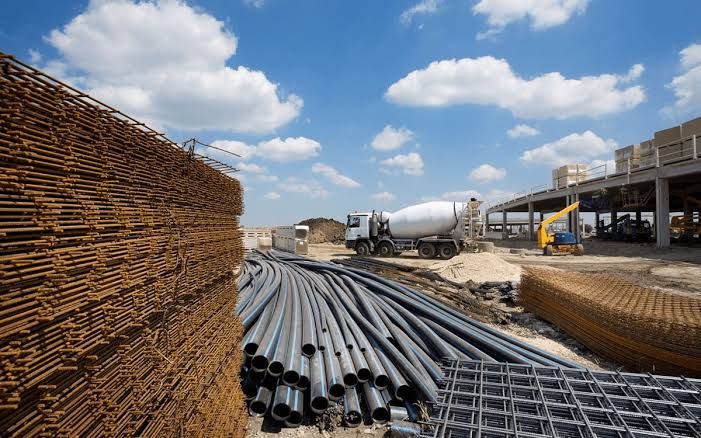
Construction materials include concrete, steel, bricks, timber, pipes, electrical components, insulation products, roofing materials, flooring, glass, and many other items. These materials move through several stages, including planning, transportation, storage, usage, and inventory tracking. Modern construction increasingly depends on digital tools and organized workflows to manage these activities.
This guide explains why it is important to Manage Construction Materials, the processes involved, recent industry developments, regulations, useful resources, and frequently asked questions.
Context
Understanding Construction Material Management
To Manage Construction Materials means planning, tracking, storing, and using construction supplies throughout a project's lifecycle. The goal is to ensure materials are available when needed while reducing unnecessary waste, preventing shortages, and maintaining accurate inventory records.
Material management begins long before construction starts. Project teams estimate material quantities during planning, prepare schedules for delivery, organize storage locations, and monitor usage as work progresses.
How Material Management Has Evolved
Construction projects were once managed mainly through handwritten records and manual inventory tracking. While these methods worked for smaller projects, larger developments required more organized systems.
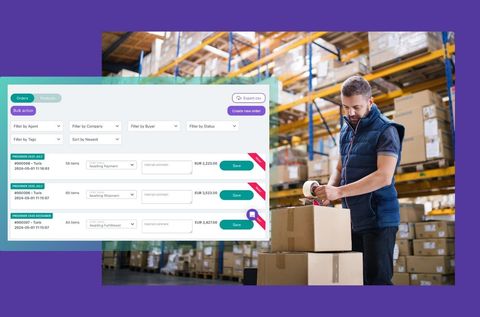
Today, many construction companies use digital platforms, barcode scanning, mobile applications, cloud-based inventory systems, and Building Information Modeling (BIM) to monitor materials more accurately.
Types of Construction Materials
Construction projects typically involve several categories of materials, including:
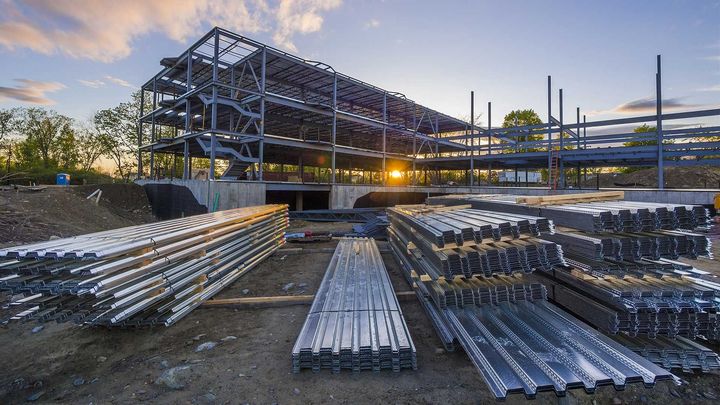
Structural materials such as steel, cement, concrete, and reinforcement bars.
Finishing materials including paint, flooring, glass, ceiling panels, and decorative products.
Mechanical materials such as pipes, valves, pumps, and ventilation components.
Electrical materials including cables, conduits, switches, transformers, and lighting equipment.
Safety materials such as barriers, protective equipment, warning signs, and fire protection components.
Each category requires different storage and handling procedures.
Importance
Supporting Project Planning
Construction schedules depend heavily on material availability. Proper planning helps project teams coordinate deliveries with different construction phases.
When materials arrive according to schedule, work can continue with fewer interruptions.
Reducing Material Waste
Construction materials represent a significant part of any project's overall resources. Careful inventory management helps reduce unnecessary waste caused by damage, over-ordering, or improper storage.
Organized storage areas also help workers locate materials more efficiently.
Improving Inventory Visibility
Modern inventory systems provide updated information about available materials, delivery schedules, and stock movement.
This visibility allows project managers to make informed planning decisions.
Helping Multiple Teams Work Together
Construction projects involve engineers, architects, contractors, suppliers, logistics coordinators, and site supervisors.
Material management creates a shared source of information that supports communication between these groups.
Supporting Safety
Proper storage helps prevent accidents caused by unstable stacking, damaged materials, or blocked access routes.
Safe handling procedures also protect both workers and construction materials.
Recent Updates
Between 2024 and 2026, construction material management has continued evolving through digital transformation.
Several important developments include:
Increased use of Building Information Modeling (BIM) for material planning.
Artificial intelligence assisting inventory forecasting.
Internet of Things (IoT) sensors tracking stored materials.
Mobile inventory applications supporting field updates.
RFID tags and barcode systems improving material identification.
Cloud-based project management connecting office and field teams.
Sustainability reporting encouraging responsible material usage.
Digital dashboards providing real-time inventory visibility.
These developments help organizations improve coordination across complex construction projects.
Laws or Policies
Construction material management is influenced by building regulations, workplace safety standards, and environmental requirements.
Although regulations differ between countries, common areas include:
Building codes defining acceptable construction materials.
Occupational safety regulations covering material handling and storage.
Environmental regulations governing waste disposal and recycling.
Fire safety requirements for storing combustible materials.
Transportation regulations affecting delivery of oversized or hazardous materials.
Quality standards for construction products used in public infrastructure.
Project managers typically review local regulations before construction begins to ensure compliance throughout the project.
Tools and Resources
Several digital tools help organizations Manage Construction Materials more effectively.
Examples include:
Building Information Modeling (BIM) platforms for project planning.
Enterprise Resource Planning (ERP) systems connecting procurement and inventory.
Inventory management software tracking material quantities.
Barcode and RFID systems identifying stored materials.
Mobile inspection applications supporting field reporting.
Construction scheduling platforms coordinating deliveries.
Digital document management systems organizing project records.
The following table summarizes common material management tools.
| Tool | Primary Purpose |
|---|---|
| BIM Platform | Plans construction materials digitally |
| Inventory Software | Tracks available materials |
| ERP System | Connects purchasing and inventory |
| Barcode Scanner | Identifies stored materials |
| RFID Technology | Tracks material movement |
| Mobile Applications | Updates field inventory |
| Reporting Dashboard | Displays project information |
Construction organizations also rely on engineering standards, manufacturer documentation, inspection checklists, material testing reports, and official building authority publications to support planning and quality control.
FAQs
What does it mean to Manage Construction Materials?
To Manage Construction Materials means planning, storing, tracking, and monitoring construction supplies from project planning through project completion. The goal is to maintain organized inventory while supporting efficient construction activities.
Why is it important to Manage Construction Materials?
Effective material management helps reduce waste, improve inventory visibility, support project scheduling, and maintain organized construction operations.
Which technologies help Manage Construction Materials?
Common technologies include Building Information Modeling (BIM), inventory management software, Enterprise Resource Planning (ERP) systems, barcode scanners, RFID tracking, mobile applications, and cloud-based reporting platforms.
How does inventory management improve construction projects?
Inventory management provides accurate information about available materials, upcoming deliveries, storage locations, and material usage, helping project teams coordinate work more effectively.
Who uses construction material management systems?
Construction companies, engineering firms, infrastructure developers, project managers, contractors, warehouse teams, architects, and logistics coordinators all use material management systems during project execution.
Conclusion
Learning how to Manage Construction Materials is an important part of successful project planning and inventory control. Organized material management supports scheduling, inventory tracking, safety, communication, and efficient use of construction resources. As digital technologies continue evolving, construction organizations are increasingly using intelligent platforms, automation, and connected data to improve material visibility throughout every stage of a project.